When you think of superheroes, you probably imagine larger-than-life people with awesome powers who fight to save the day from threats, be they world-ending or as small as a string of murders. That’s definitely a major part of being a hero, but as important as the action is, their kindness, determination to help, and overall focus on lives over stopping a villain matter infinitely more. They need to act like heroes in action and motivation, and sometimes, that doesn’t translate to the screen. Today, we’re taking a look at five DC heroes who have each been adapted from comics, but who rarely get the chance to show why they’re heroes instead of typical action movie stars.
Videos by ComicBook.com
5) Green Lantern (Hal Jordan)
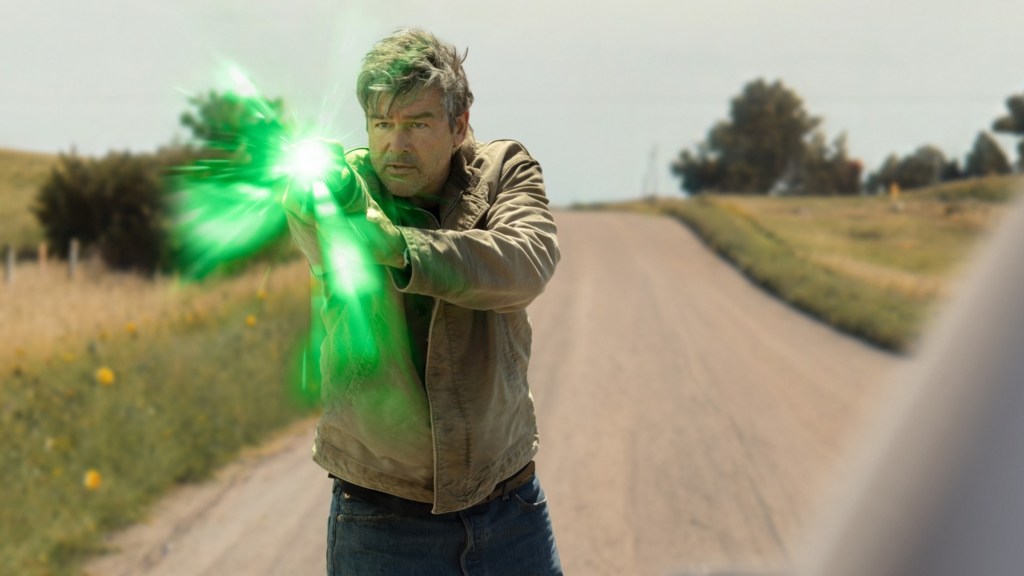
Hal’s really gotten the short end of the stick in adaptations. In the comics, he’s the de facto Green Lantern. He was the first human chosen to join the Green Lantern Corps, and he constantly uses his boundless willpower to save lives both terrestrial and otherworldly. He’s by no means perfect, but he is a good man who never quits. You might not know that by his recent adaptations, however. The most prominent and recent, of course, is Lanterns, where Hal was hardly a hero at all. Instead, he was a cynical, disillusioned old man who risked hundreds of lives to prove he still deserved his Power Ring. Yes, he was ultimately good, but he didn’t even wear his costume. Hal seemed to especially hate the costume and everything it represented, in fact.
The list only gets worse from there. The other most recent Hal Jordan adaptations were the animated Green Lantern: Beware My Power and Injustice movies, both of which depicted Hal as a villain of various degrees. In the former, he tried to reset all of reality, and in the latter, he helped Superman take over the world. There are definitely good Hal adaptations, such as Green Lantern: The Animated Series, but the vast majority of modern ones sideline or focus on his villainous history to prop up a different Green Lantern, which never sits right with me.
4) Wonder Woman

Now, Wonder Woman isn’t nearly in the same boat as Hal, given that the vast majority of her non-comic depictions indeed let her keep her morality, but they always get stuck in a rut. Notably, most of Wonder Woman’s solo adaptations focus on her origin, telling some variation of her rescuing Steve Trevor from a plane crash and venturing into Man’s World for the first time to defeat some kind of mystical threat. Usually that’s Ares. These make for fine movies, but they hardly make for stories that feel distinctly superheroic. More often than not, Wonder Woman acts more like a traditional fantasy movie protagonist instead of a superhero.
Wonder Woman is never given the chance to explore her superhero status quo because so much time is spent on her origin, and even when she’s allowed to go past that, she almost exclusively deals with anything but standard supervillains. She’s a fantasy protagonist in a fancy costume more than she is a superhero. Let’s not even get into how she acts more like a warrior than an emissary of peace, often even looking down on Man’s World instead of wanting to lift it up. Her portrayal in Zach Snyder’s Justice League: Justice Is Gray is downright disrespectful. Wonder Woman is so much more than a warrior, and much more than her first steps.
3) Aquaman

Arthur is in mostly the same boat as Wonder Woman, where his appearances definitely depict him as being a well-meaning individual, but rarely let him spread his superheroic wings. That’s only so much of the adaptations’ fault, however, as Aquaman’s own comics often struggle to find a balance between undersea politics and time spent saving more than his throne. Frankly, it’s hard to get Aquaman into the spotlight at all. The original Justice League cartoon, for instance, had him act like a jerk who blew off the others and rarely wanted to interact with the surface world at all.
Aquaman’s solo movies do much the same, throwing him entirely in the water and forcing him into a revolution or birthright story where he’s busy fighting for the right to rule Atlantis instead of, you know, going out to protect the ocean. I’m not saying that Aquaman shouldn’t fight for Atlantis, but when that’s all that he does, his adaptations tend to miss the idea that he’s meant to be a hero to everyone, not just the personal guard dog maintaining a status quo in one particular underwater city. He’s a king and a cop more than a superhero when the stories act like this.
2) Jason Todd
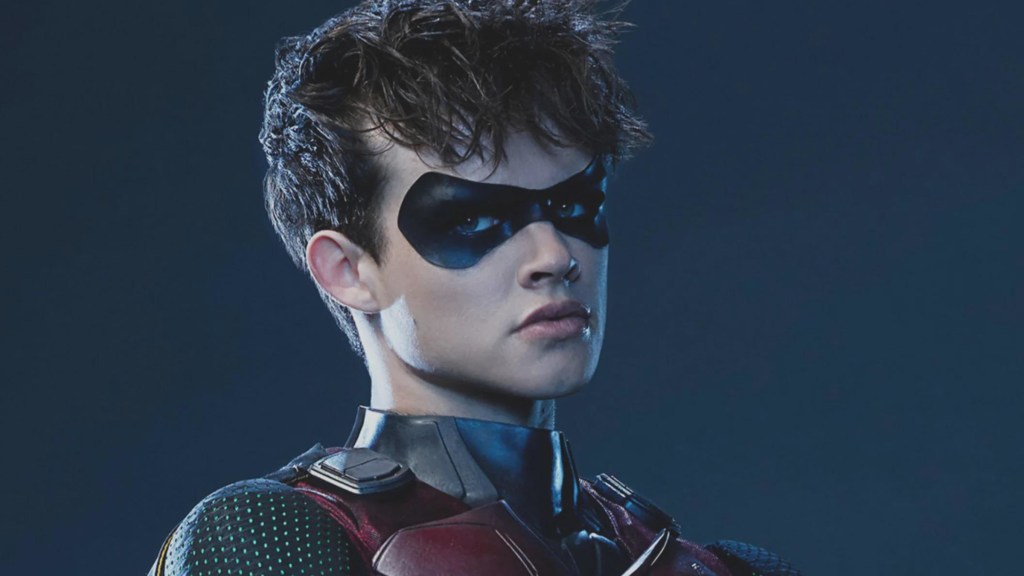
Jason is a complicated character, having been both a superhero and supervillain. He’s most famous for being the Robin who died and returned as Red Hood, intent on revenge against both Joker and Batman for his death. This is the version that’s been adapted most often, and I’m all for showing Jason’s villainous track record, but I will not stand for the erasure of his heroic past as Robin. The only time we even see Jason as Robin came from the Titans TV show, and it utterly failed to convey Jason as anything but a massive bomb waiting to explode.
Jason is often remembered as the Robin with anger issues or a history of flying off the handle, and that’s fine, but at the end of the day he was a kid who needed guidance, not a psychopath who reveled in causing agony. Robin is supposed to be a symbol of hope, and even at his worst, Jason was a kind, caring Robin who wanted to save people. Instead, every adaptation is obsessed with shoving as many red flags as it can into his past to foreshadow his eventual fall, which takes all of the drama out of that fall to begin with.
1) Supergirl
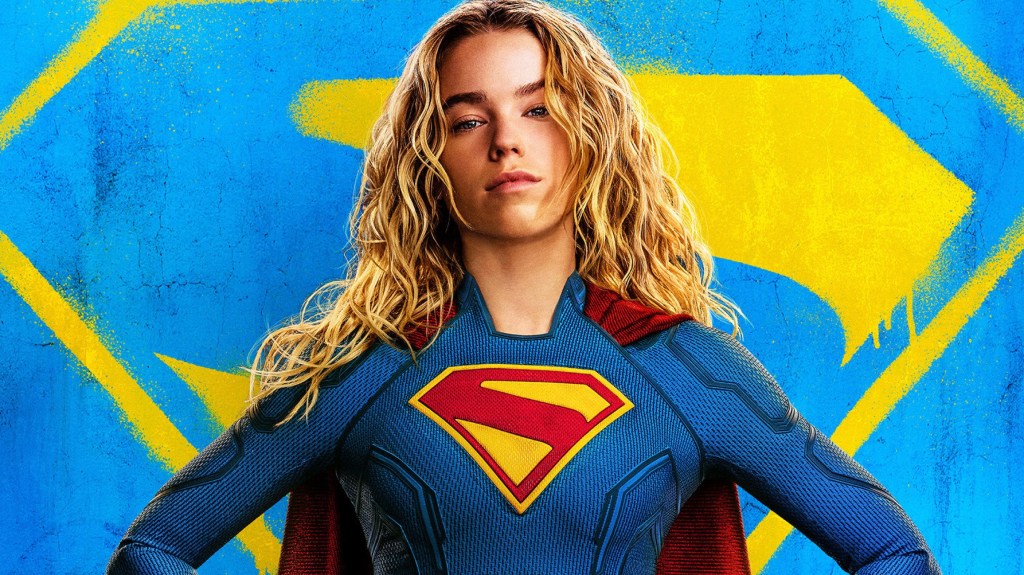
Now, to finally address the elephant in the room, let’s talk about Supergirl. For most of her time in adaptations, Kara has been allowed to fly high and save others as she always has, but all that changed with her introduction to the modern DCU. This Kara is a more openly traumatized party girl who spends most of her time off-world, and rarely any actually wearing her costume and acting like a superhero. Heck, the entire plot of Supergirl (2026) was her facing her demons as she helped a little girl learn that revenge isn’t the right path, only for Supergirl herself to choose revenge and murder the main villain regardless.
This is easily the highest profile version of Supergirl there’s ever been, and it’s clear that it’s going to leave its mark on future variations of the character, which makes me incredibly nervous that her future adaptations will only move further away from the superheroic standard. After all, she doesn’t actually go out of her way to help anyone, only using her powers to assist her own quest in this movie, which is about as far from Supergirl as things should be. Kara is just as much a hero as her cousin, and she deserves that respect and the chance to show the wider world.
Which DC heroes do you think hardly act like superheroes in their adaptations? Let us know in the comments below!