There are plenty of ways an episode of Pokémon can become memorable. Maybe Ash catches a new Pokémon, Team Rocket gets blasted off again, or Pikachu finds himself in the middle of another adventure that somehow goes completely off the rails. But every once in a while, an episode becomes famous for something nobody involved could have expected. One particular installment of the Pokémon anime managed to do exactly that, becoming so infamous that it was pulled from circulation and never officially aired again. For a franchise that has produced more than a thousand episodes, that’s quite a distinction.
Videos by ComicBook.com
The strange part is that this wasn’t supposed to be some controversial episode. There was no shocking storyline, no particularly dangerous Pokémon, and certainly no plan to make television history. It was just another colorful episode of one of the biggest anime series in the world. Then something happened during the broadcast that sent viewers to hospitals, forced the show off the air temporarily, and changed how animation handled certain visual effects. It’s a historic event that the community should be aware of.
Electric Soldier Porygon Caused a Pokémon Television Disaster
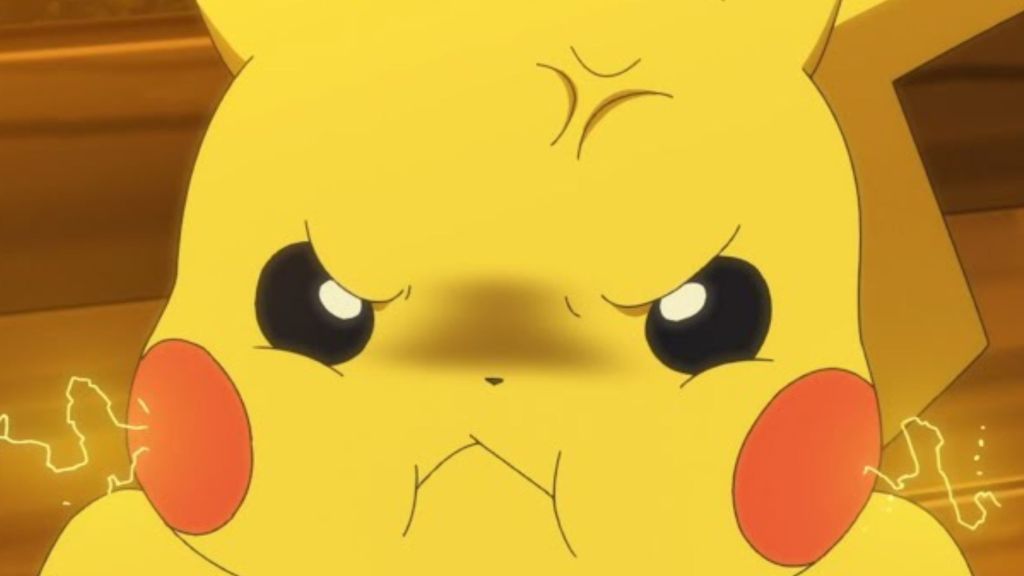
The episode was Electric Soldier Porygon, which aired in Japan on December 16, 1997. Ah, the 1990s—such a great time for cartoons and anime. However, this particular night would prove to be an eclipse in that space. During a battle sequence, Pikachu gets serious and fires an electric attack that produces a burst of rapidly alternating red and blue flashes. For some viewers, particularly those susceptible to photosensitive reactions, the effect had a negative impact on their physical health. Sources claimed that at least 600 children were reported to have experienced symptoms including seizures, headaches, dizziness, and nausea, with many taken to hospitals following the broadcast.
The reaction was widespread and immediate enough to become a major news story in Japan. Pokémon was temporarily taken off the air while the circumstances surrounding the broadcast were investigated. And of course, the episode was never officially shown again. It also never received an official international broadcast. Like an urban myth, it quickly became an episode that existed but that viewers are never supposed to see.
Pikachu Walked Away While Porygon Practically Disappeared

The consequences didn’t end with the episode being pulled. The entire incident became an important example of the risks associated with rapidly flashing images on television—and an unfortunate, painful reminder. TV stations were put on notice, particularly when it came to programming aimed at children. Animation studios and broadcasters became more careful about how those effects were used. And Pokémon changed its production and broadcast practices in response to what had happened.
There is also an unfortunate element of blame buried in all of this. The episode has Porygon’s name right there in the title, but Porygon didn’t directly produce the effect that caused the problem. Pikachu was the one who launched the attack. Porygon just happened to be standing nearby when television history took a very unpleasant turn. So, Porygon shouldn’t be the one to take the rap.
For fans, though, one of the other unfortunate results is what happened to Porygon afterward. The Pokémon most closely associated with the episode effectively disappeared from the anime’s regular adventures, despite not actually producing the flashing effect. Pikachu, meanwhile, remained exactly where you would expect him to be. He was still front and center, becoming even more recognizable as the face of the franchise. Even if new Pokémon appear on a regular basis, it’s still quite sad.
That makes the whole episode an especially odd chapter in Pokémon history. One moment, Electric Soldier Porygon was simply another episode on the schedule. The next, it had become something the series could never really put back on television. And Porygon? Well, Porygon learned the hard way that sometimes being the Pokémon in the title is not the same thing as being the Pokémon who caused the trouble.
More Anime
-

Image Courtesy of Warner Bros. Animation / Cartoon Network -

©Yuki Suenaga, Takamasa Moue / SHUEISHA, Akane-banashi Committee -
Image Courtesy of Shueisha / Toei Animation -
Image Courtesy of Pierrot -
Image Courtesy of Toei Animation -
Image Courtesy of Toei Animation