For a variety of different Fighting Games, a large seasonal patch brings much-needed balance to its roster, adjusting characters or systems to make the game feel fresh. This could include nerfs to fighters who clearly overpower other figures on the roster, to huge buffs that make the tools of other characters more reliable. However, the frequency of these types of updates has risen in many series, creating a loud demand for continual patches at an unrealistic rate.
Videos by ComicBook.com
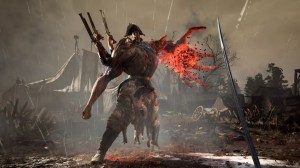
One recent example of this is Tekken 8, whose large Season 3 update was set to include a variety of gameplay balances alongside a new set of DLC fighters in a new Character Pass. Released on March 19, 2026, this Season 3 patch was marketed as “back to basics,” implying that many existing gameplay systems would be tuned down to favor fundamental mechanics from the series. However, initial fan reactions to this balance update are mostly negative, with many feeling like the development team behind Tekken 8 fed them a false promise.
Street Fighter 6 & Tekken 8 Balance Patches Have Been Received Poorly By Fans Everywhere
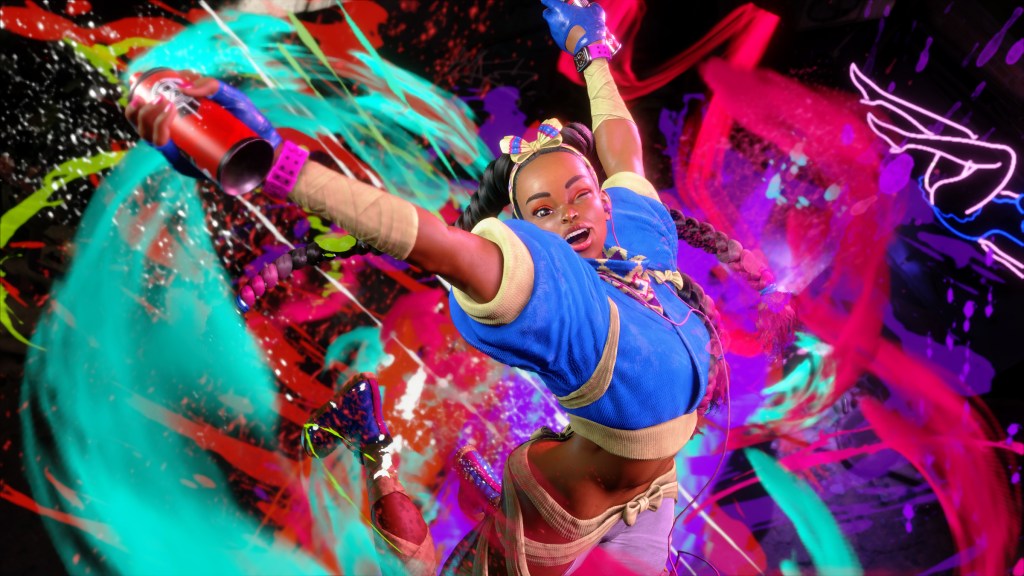
Tekken 8‘s balance changes were not nearly substantial enough for fans, with many wishing that the game’s aggressive Heat system received some adjustments. Furthermore, some characters considered “broken” or “overpowered” by the game’s community were given very little changes, particularly not enough to match fan expectations. The high demand for sweeping balance adjustments were largely lackluster, but made worse by their initial promise.
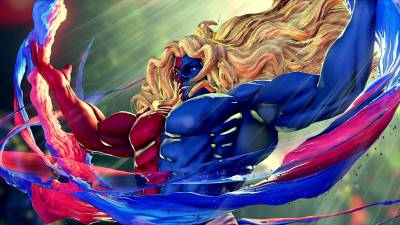
Similarly, Street Fighter 6 received a balance patch from Capcom that was marketed as a “major update” prior to its release. This patch launched alongside Alex, the game’s latest DLC fighter in March 2026. However, despite its initial claims, players have criticized the balance patch for not addressing characters heavily enough. While nerfs to characters like Blanka were offset by interesting buffs to underutilized figures like Lily, fans have complained heavily about fewer universal changes.
Either case here has created an outcry online, with many fans referring to these updates as signs of each game’s larger failings. However, this is hardly a new phenomenon, as the desire for balance patches have long created discourse for fighting games of all kinds. From 2XKO‘s heavy nerfs to characters like Yasuo and Ekko recently to Guilty Gear Strive‘s promising “2.0” update, players everywhere are staking their hopes on balance adjustments to their favorite fighting games.
Lack Of Substantial Changes In Fighting Games Reflects Core Visions Of Their Development
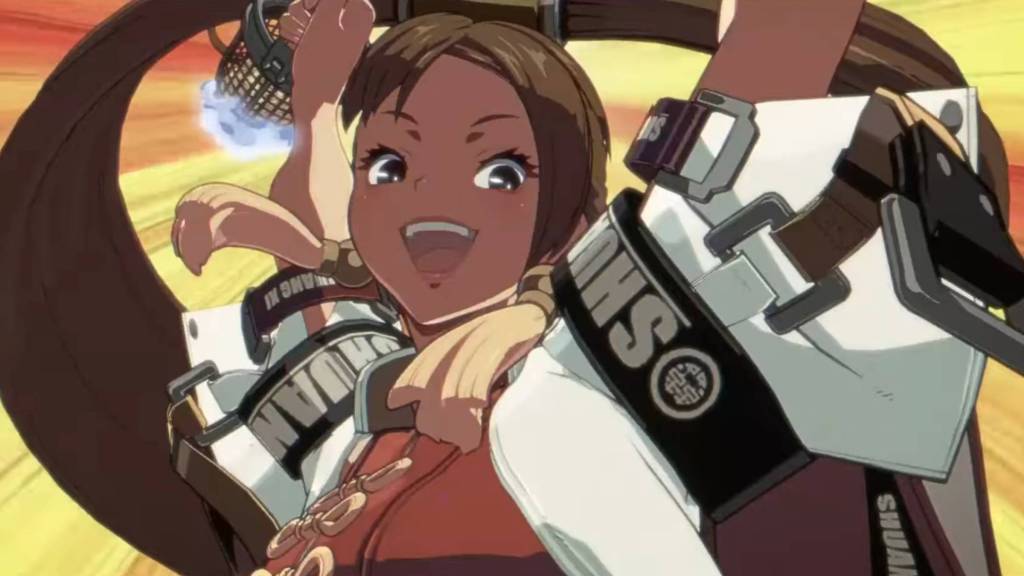
While it’s easy for players to bemoan about systems in fighting games they don’t like, many innovations are the core behind specific entries in a series. For example, the Drive system in Street Fighter 6 is definitive to the gameplay experience, defining every character’s offense in some way. Since this is partially in place to separate super meter from enhanced special moves, defensive parries, and other mechanics, Capcom would never remove it no matter how hard players called for its deletion.
This applies to Tekken 8‘s Heat system too, and several other core features of fighting games. The fact that controversial mechanics don’t change shows how important they are to the game they’re in, meaning that even the slightest modification would throw off some part of the title’s core balance. Despite how all modern fighting games get patches, it usually takes a brand-new entry in a franchise to remove a gameplay system, sometimes to introduce new ones.
The “Perfect” Patch Of Buffs, Nerfs, Or Other Changes Shouldn’t Determine Player Enjoyment
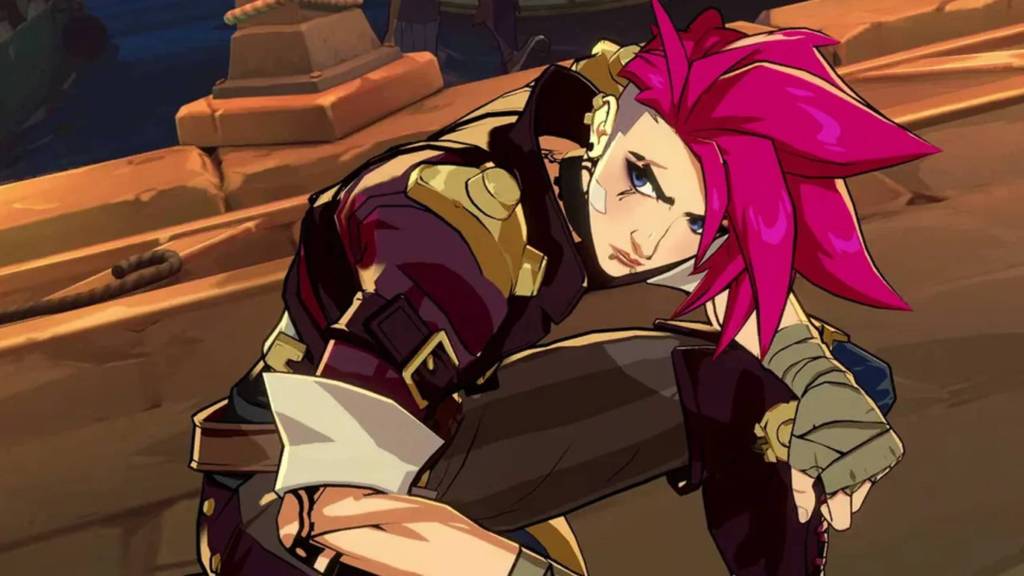
Even if a fighting game patch is received well, the hope that balance adjustments will “save” any specific title is unrealistic. No matter how many nerfs, buffs, or system changes exist in a game, there will still be some fundamental part of the game that remains. Much like games in other genres, there are pros and cons to any fighting game that creates a complete package. Although it’s easy to want the cons to be altered, they may be integral to the game’s design.
The easiest fighting games to play are ones enjoyed in spite of their flaws. In contrast, consistently waiting for a patch to mold a game players somewhat like into their ideal title will likely lead to more disappointment than satisfaction. For some, it may be better to admit that a fighting game just simply doesn’t have everything they want, either through the strength or weaknesses of their favorite characters or their opposition to core mechanics.
When players already have a fighting game they like playing, a good patch can elevate their experience. Rather than creating a new goalpost for a future balance change to meet, players might have a better time engaging with what part of a title they approve of the most. Fighting games do sometimes antagonize players through patches, but those who don’t determine their enjoyment from balance updates will find their fighting games easier to appreciate.
What fighting game do you play regardless of balance patch changes? Leave a comment below or join the conversation in the ComicBook Forum!
More Gaming
-

Courtesy of Unknown Worlds -

Final Fantasy VII Console Heroes Diorama -

Image courtesy of Square Enix