Early Access is a period of playtesting some games go through, acting as a soft launch of a project that is incomplete when it first gets into a player’s hands. This time period is meant to open up fan communication and feedback, providing developers a clear idea of what parts of their vision works and which aspects of their game need to be adjusted. Some titles have used Early Access time wisely, refining and polishing their experiences to become some of the most celebrated games out there.
Videos by ComicBook.com
Although Early Access can prolong releases for years at a time, well-meaning projects are constantly iterating how their game works with continuous updates leading up to a 1.0 launch. The most promising Early Access titles aren’t ones that remain in their playtesting state for eternity, but rather use that time to let players discover inconsistencies that can be fixed. Not every game applies the lessons they’ve learned from Early Access, but the ones that do feel like the culmination of everyone’s hard work.
5. Factorio

Factorio is a game that spent four years in Early Access, from 2016 to 2020, taking plenty of time to refine its complex systems into something complete. However, if fans want to truly get technical with the numbers, it can be argued that the first version of this game was available as Factorio 0.4 in 2013, extending its Early Access period to almost a full decade. Some may think that this is far too long for any game to sit in development, but the finished project is a testament to just how much the title evolved through the passion of its creators.
A construction and management sim, Factorio was already complex due to its wealth of resource collection and real-time strategy systems that made up its gameplay. Players have to automate and expand a full factory, which is constantly running into problems as it tries to assemble products. Anyone who picks up this game has to manage the mining, processing, and other factors tied to product creation, with different variables all leading toward an eventual rocket launch that wins the game. At the same time, players have to defend their work from indigenous wildlife, adding elements of survival into Factorio‘s core loop.
The multiplayer of this game required tons of attention too, with Early Access constantly refining how interactions worked. New animations and other visual systems were added to Factorio over time, but Early Access was largely used to tweak and improve the game’s mechanics. Features like Nuclear Power were largely introduced and tested in Early Access, as well as in-game Tutorials, proper Tech Trees, Modules, Blueprints, and other features that would later be Factorio staples. Without Early Access, Factorio wouldn’t be half as fun to play, with the game only getting better with post-launch updates that enhanced it even further.
4. Slay the Spire
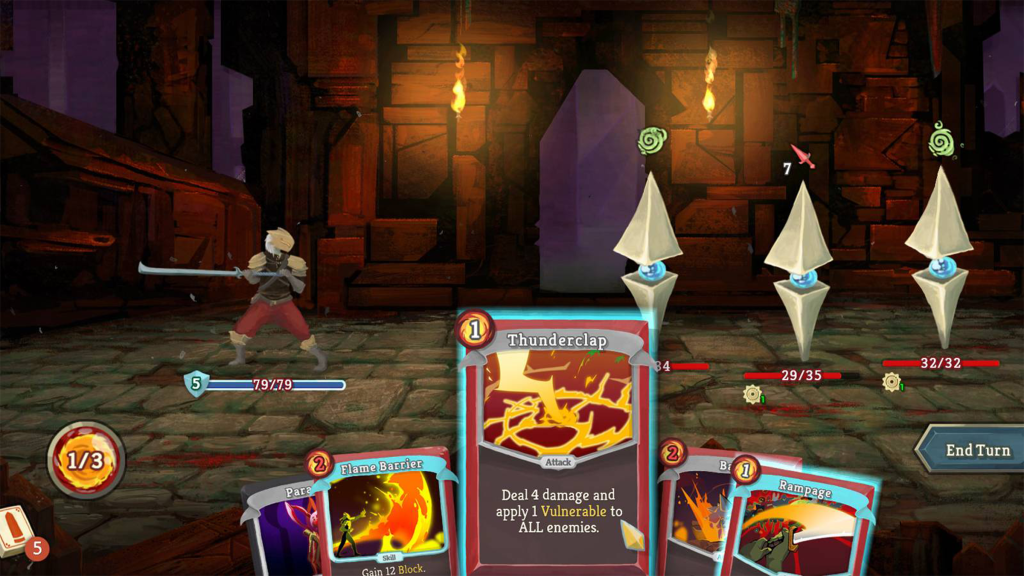
Although it only remained in Early Access for around 14 months, Slay the Spire became infamous for how it treated that time period, using it as a rapid series of patches and updates to keep fan interest high. The rougelike deckbuilder was already extremely fun when Early Access went live, allowing fans to build and refine strategies around certain character archetypes that defined their selection of cards. Getting past randomly generated enemies with your custom deck is something that has been refined more in Slay the Spire 2, whose own Early Access launch broke Steam records.
The explosion of players for the original Slay the Spire came from weekly balance changes, which constantly kept the game fresh. When the game first debuted, there were only two character class to play as — the Ironclad and the Silent. Developer Mega Crit expanded this quickly, with The Defect coming out less than a year into the playtesting period. This set a precedent for player-driven feedback being implemented fast, which was best exemplified in the drama surounding the infinite combo card system.
At first, this system was patched out due to balance changes for the original Slay the Spire. However, due to fan outcry for such strong deck combos to return, the creators of the game quickly put them back in before waiting to do in a 1.0 launch. Developers for Slay the Spire were listening intently, adding highly requested features like an Act 4 and the unique Ascension difficulty system for replayability. This philosophy ensured the full release was stellar, and is one fans can see repeated in the refinements of Slay the Spire 2 going on right now.
3. Baldur’s Gate 3
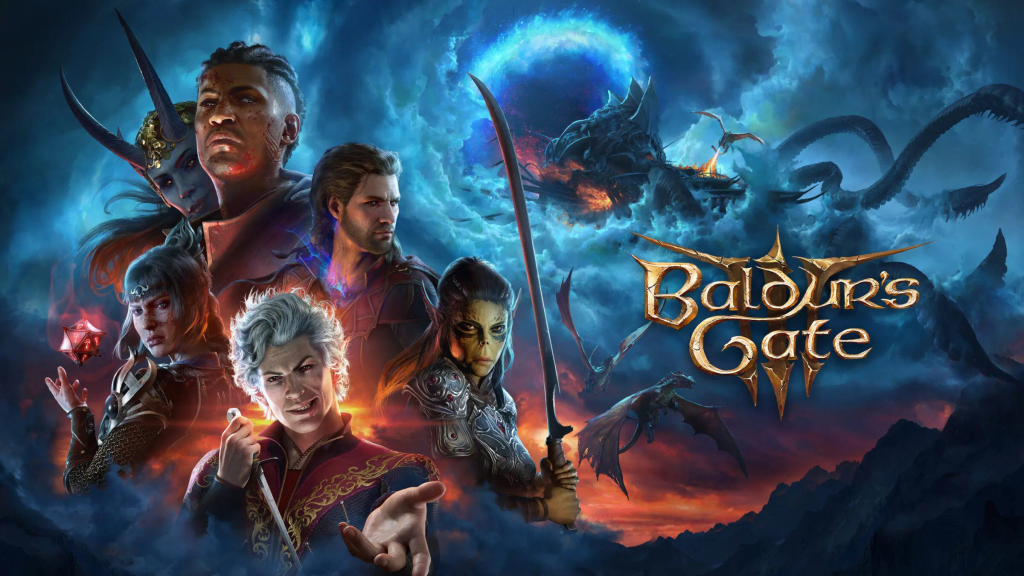
Developer Larian Studios is no stranger to Early Access, as the studio tends to have all their major RPGs go through some form of player testing before release. Baldur’s Gate 3 is perhaps the most famous case of this, though, as its Early Access was heavily marketed from the moment it was announced. Due to the series’ iconic history and connections with D&D, lines for playing any version of BG3 were always full, making Early Access incredibly populated by players from the moment it went live.
The Early Access for this game went live in 2020, about three years before its launch in 2023. However, even the first version of this game felt like a complete RPG, taking players through the first story Act and all of its connecting areas and parts. By the time it was finished, the Early Access alone could take 20-50 hours to complete, depending on what side content you engaged with. This time period took less time to adjust gameplay, but rather refine story beats and narrative concepts.
Specific characters were given more lines of dialogue and greater development, while new regions expanded Act 1’s map. Customization options expanded while cutscenes were made more cinematic to sell the epic scope of the game. Even though Act 1 could be considered a full game on its own, the full version of Baldur’s Gate 3 was nothing short of extraordinary. By building off the story ideas of the first Act, Larian Stuidos was able to connect parts of the story together, creating satisfying choices where your initial choices have real consequences later, forging an unforgettable experience.
2. Subnautica
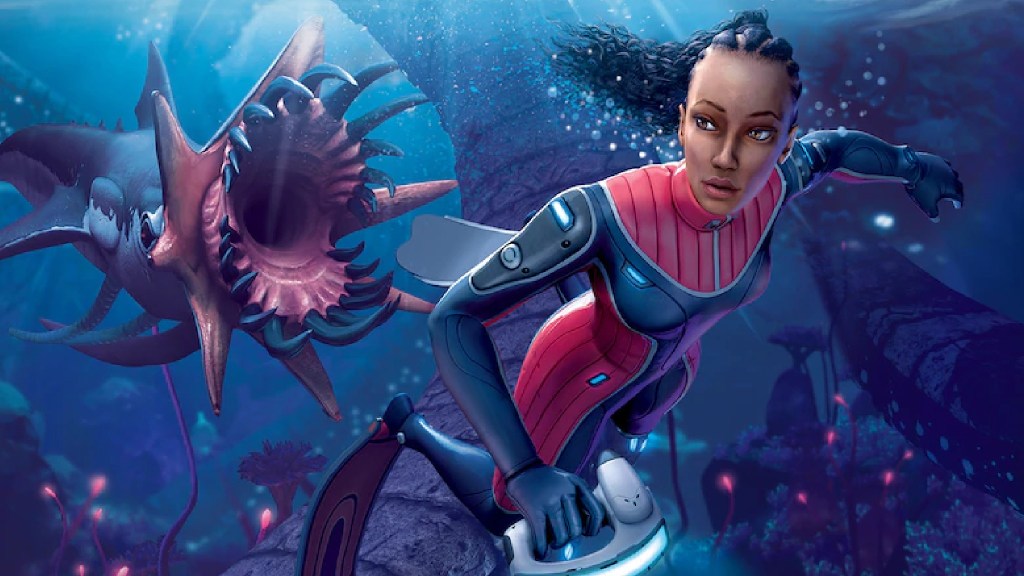
Subnautica is a game that may have gotten the most out of Early Access compared to other titles, as this playtesting helped developers find a cohesive vision for the title. From its inception, Subnautica was promising in Early Access for its unique take on the survival genre in an underwater world. Yet, players quickly pointed out how the core foundation of the game could grow, asking for a variety of features that developers were eager to add and shape. For example, Subnautica gained underwater vehicles, base building, and even new wildlife to discover based on Early Access updates.
An mysterious story woven into the survival gameplay was also included after fans developed a keen interest in the history of the aquatic world they crash landed on. Early Access helped the world evolve with new wildlife, materials, biomes, and other map additions constantly made Subnautica‘s discoveries grow, making playtesting updates big events. When the game launched in 2018, UI enhancements made everything feel connected in the best way possible, making every new piece feel far more engaging to interact with.
The approach Subnautica made to Early Access would later inspire Subnautica: Below Zero to do the same thing, refining the different experience of that expansion. As of this time of writing, Subnautica 2 is in Early Access as well, playing with ideas of multiplayer co-op and lessening combat mechanics for players. Since part of the popularity of Subnautica comes from how well it communicated with players during its first Early Access, its future is full of possibilities.
1. Hades
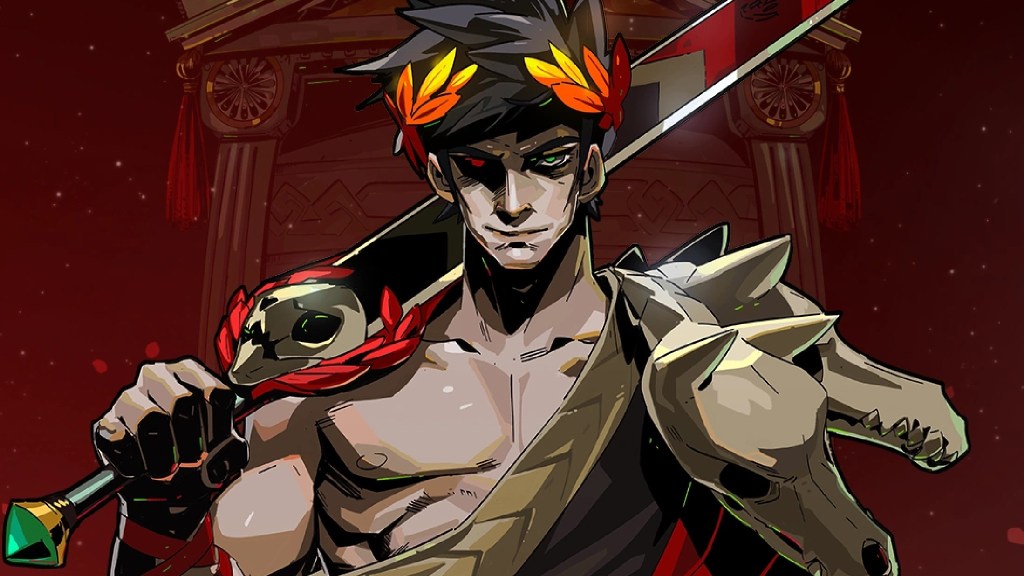
The first Hades spent a little over a year and a half in Early Access, but it perhaps saw more changes than any other game on this list in that short amount of time. Developed by Supergiant Games, Hades is a testament to perseverance, both in its gameplay and real-world creation. The roguelike was designed with a very clear path in mind, but player feedback helped expand its initial scope into a place that made it one of the most celebrated titles in the genre.
For starters, Hades gradually went through huge visual improvements, leading to an art style now beloved by players. The addition of new Greek mythology Gods and Goddesses helped expand the game, granting players Boons for gameplay modifiers through the introduction of new characters. Eventually, players gained more customization options too, with a House Contractor allowing them to change up the hub world they found themselves in between runs. Better reward systems and more replayability options kept this game interesting the entire time it was in Early Access, but its launch was just as impressive.
The 1.0 version of Hades vastly improved the game more, adding multiple endings to its story (including a “True Ending”) and expanding dialogue for nearly every character players interacted with. Supergiant was constantly adding new features into the roguelike, from new side quests for fan-favorite characters to extra weapons for players to use on runs. The success from Early Access to full release helped inspire Supergiant to make Hades 2 as a sequel, once again using playtesting to improve their game for the best rougelike players could imagine.
What is your favorite game that got even better out of Early Access? Leave a comment below or join the conversation in the ComicBook Forum!
More Gaming
-

Image Courtesy of Bandai Namco -

Courtesy of DON'T NOD