As Marvel Studios prepares to integrate mutants into the Marvel Cinematic Universe, anticipation is running high for how the franchise will handle Charles Xavier’s iconic students. Fans are eagerly awaiting casting news, narrative hints, and clues about how the mutant gene will ultimately be explained on the big screen. While audiences naturally expect central pillars like Cyclops, Jean Grey, and Beast to lead the charge, the Silver Age era of The X-Men introduced far more than just the Original Five.
Videos by ComicBook.com
Expanding the roster beyond the predictable staples allows the MCU to honor the classic 1960s lineup while bringing fresh, dynamic abilities and layered drama to the theaters. Rather than retreading the same familiar team dynamics from past adaptations, tapping into the broader early roster opens the door for unexpected rivalries, complex family lineages, and unique power sets. Here are four foundational First Class-era mutants who are still missing from the reboot conversation, and why they deserve a spot on the team.
4. Mimic (Calvin Rankin)
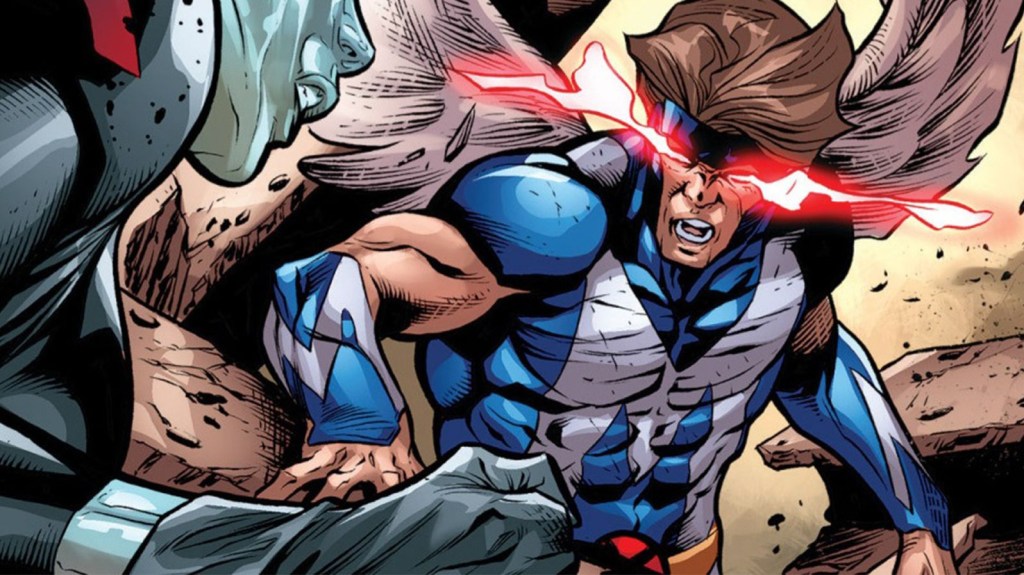
Historically recognized as the very first member to officially join the X-Men after the Original Five, Calvin Rankin—better known as Mimic—is one of the most compelling wild cards of the Silver Age. Debuting in 1966, Rankin possessed the unique ability to permanently duplicate the powers and physical attributes of anyone in close proximity, allowing him to wield the combined skill sets of Cyclops, Marvel Girl, Angel, Beast, and Iceman simultaneously. Visually, this makes Mimic an absolute powerhouse for live-action adaptation, capable of firing concussive optic blasts while soaring on physical feathered wings.
Mimic provides the MCU with an ideal, morally ambiguous recruit. Rather than starting out as a pure villain or a pristine hero, Rankin’s arrogance and deep-seated insecurity often caused friction within Xavier’s team. Introducing Calvin into the reboot would give the franchise an organic way to test the young team’s dynamics, presenting a peer who is as much an unpredictable rival as he is an ally. His inclusion would immediately prove that Xavier’s dream of coexistence isn’t always a perfectly smooth process, even inside the mansion.
3. Banshee (Sean Cassidy)

Long before he became an international mentor and co-headmaster of Generation X, Sean Cassidy made his comic debut in 1967. Initially introduced under the thrall of the villainous organization Factor Three before Charles Xavier freed him from mind control, Banshee brought an older, seasoned perspective and an iconic sonic scream that doubled as flight propulsion.
While Fox’s X-Men: First Class offered a youthful glimpse of the hero, the MCU has an opportunity to explore the character’s rich comic roots as an experienced former Interpol operative. Bringing an adult Sean Cassidy into the fold grounds the early mutant emergence within international intelligence and law enforcement, creating a natural narrative bridge between covert government organizations and Xavier’s school. Furthermore, his eventual role as a dedicated teacher proves he has the long-term character development needed to evolve alongside a massive cinematic universe.
2. Havok (Alex Summers)
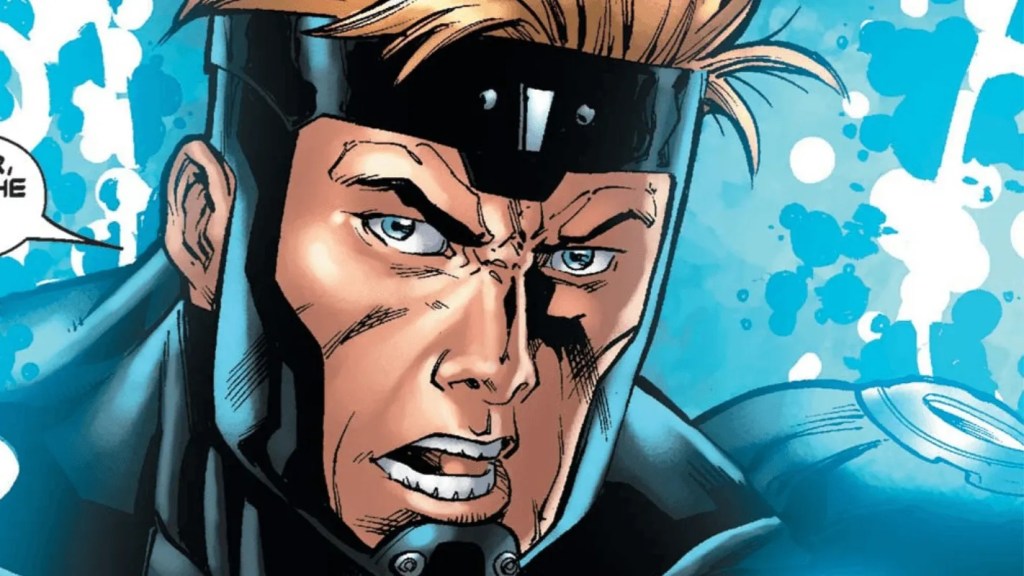
Introduced in 1969, Alex Summers remains one of the most pivotal figures from the Silver Age run. Capable of absorbing cosmic ambient energy and discharging destructive plasma blasts, Alex was defined by the fear of losing control over his immense power, as well as the long shadow cast by his older brother.
Fox’s previous franchise altered the Summers family lineage by making Alex the older brother, stripping away the tension from the comics. In the MCU, resetting Havok to Scott’s estranged younger brother instantly injects personal stakes and domestic conflict into the mutant landscape. His volatile power levels and internal struggle to accept his heroic potential offer an emotional anchor rarely explored in team origins. Visually, his signature concentric ring energy blasts would provide a stunning, distinct aesthetic compared to the standard kinetic beams already seen in the franchise, while his eventual graduation to leading X-Factor offers a perfect blueprint for future spin-offs.
1. Polaris (Lorna Dane)
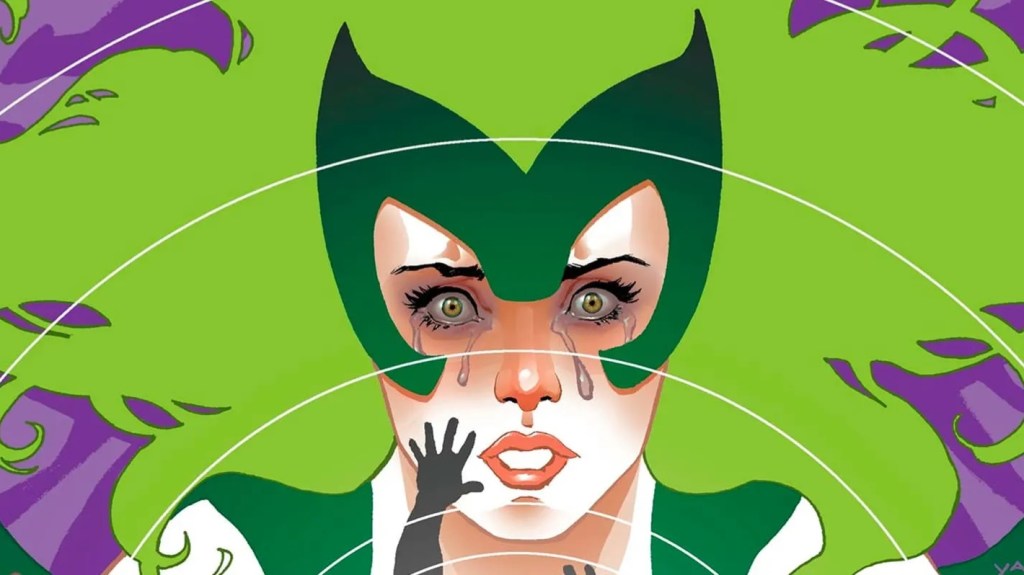
First appearing in 1968, Lorna Dane rounded out the original Silver Age expansion alongside Havok. Possessing powerful electromagnetic manipulation abilities and iconic green hair, Lorna quickly found herself embroiled in questions of lineage, eventually revealed to be the daughter of Magneto.
Polaris presents Marvel Studios with an elegant narrative vehicle. Introducing Lorna early in the reboot allows the MCU to establish the sheer scale and terror of magnetic abilities without immediately burning through Magneto as an active, on-screen threat. Her relationship with Havok, combined with her internal struggle over her inherited power and identity, makes her an essential cornerstone for the next era of mutant storytelling. Additionally, leaning into her modern comic history as a formidable leader on Krakoa or her time commanding X-Factor would ensure she isn’t just defined by her father’s legacy, but stands as a powerhouse in her own right.
Which of these classic First Class-era mutants do you want to see most in the MCU? Let us know your thoughts in the comments below!
More Marvel
-
Courtesy of 20th Century Studios -
Image Courtesy of Marvel Comics -

Image Courtesy of Marvel Comics -
Image Courtesy of Marvel Comics -
Image Courtesy of Marvel Comics