Mario talks. Sonic talks. Even the most stoic video game heroes usually have something to say when the situation gets desperate. Link, meanwhile, has spent nearly 40 years letting everybody else do the talking. He’s saved Hyrule from destruction, fought some truly ridiculous monsters, and somehow managed to become one of Nintendo’s most recognizable characters without developing much of a speaking voice. That’s part of his charm. It’s also going to make the upcoming The Legend of Zelda movie considerably harder to pull off than people might realize.
Videos by ComicBook.com
The problem isn’t that Link needs to deliver a bunch of witty one-liners. Please don’t give him those. The appeal of the character has always been tied to the player’s relationship with him. When you’re playing Zelda, Link’s reactions become your reactions. His decisions are yours to make, and even his personality leaves plenty of room for interpretation. A movie doesn’t have that luxury. We won’t be holding a controller or deciding whether Link should explore another cave before saving the kingdom. We’ll be watching somebody else’s version of him. Nintendo needs to make that version feel like Link without losing what made him special in the first place.
The Legend of Zelda Movie Has to Figure Out Who Link Actually Is
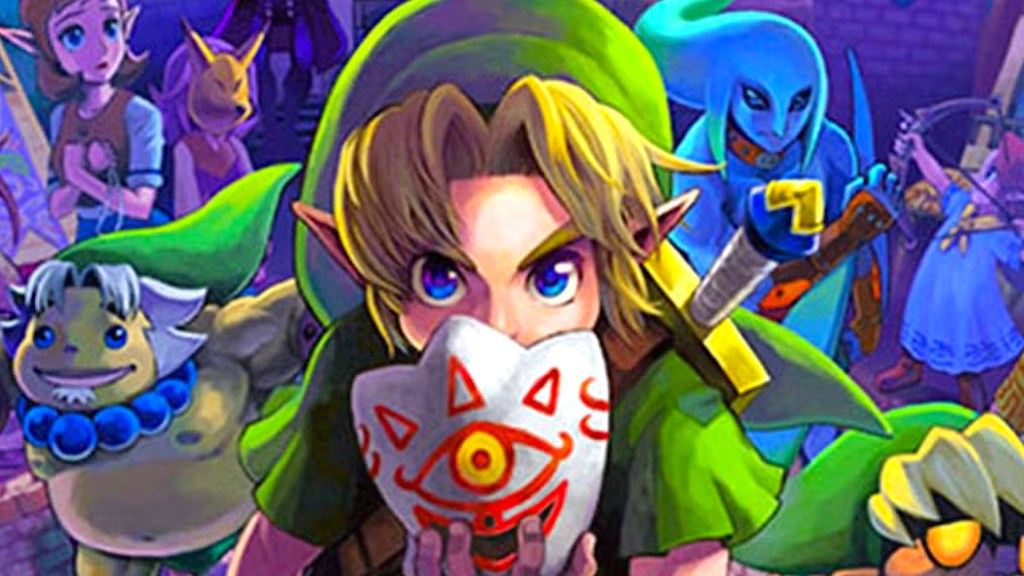
There’s a reason Nintendo has kept Link relatively quiet throughout the series. He’s not supposed to dominate conversations or explain every thought running through his head. He’s the character players inhabit. When somebody asks him a question, the games generally let us imagine his response. That arrangement has worked for decades, but it creates an unusual problem when you take him out of the interactive world. Consider Ocarina of Time. Link spends the entire adventure surrounded by characters with strong personalities, from the endlessly talkative Navi to the mysterious Sheik. Yet he remains largely an observer. His expressions and actions tell us what we need to know because we’re the ones making his choices. Even Breath of the Wild and Tears of the Kingdom maintain that approach while offering more insight into his relationships through Zelda’s memories and diary entries. We learn that he’s dependable, courageous, and occasionally rather difficult to understand. There’s a person there. Nintendo just doesn’t usually let him explain himself.
That’s a tricky thing to translate into a movie. A completely silent Link might sound faithful to the games, but there’s a difference between spending 40 hours controlling a character and spending two hours watching him. An actor needs something to work with, and the audience needs a reason to care about what happens to him beyond the fact that he’s wearing the famous green tunic. I don’t want Link turned into another generic action hero who cracks jokes whenever a monster appears. That would miss the point entirely. But giving him a recognizable personality doesn’t mean abandoning his quiet nature. Think about how much an actor can communicate through frustration, curiosity, or even an awkward attempt to connect with somebody. Link doesn’t need to become particularly talkative. He just needs to feel like a young man rather than a convenient pair of hands for the audience.
Link Needs to Become a Movie Character Without Losing His Nintendo Identity
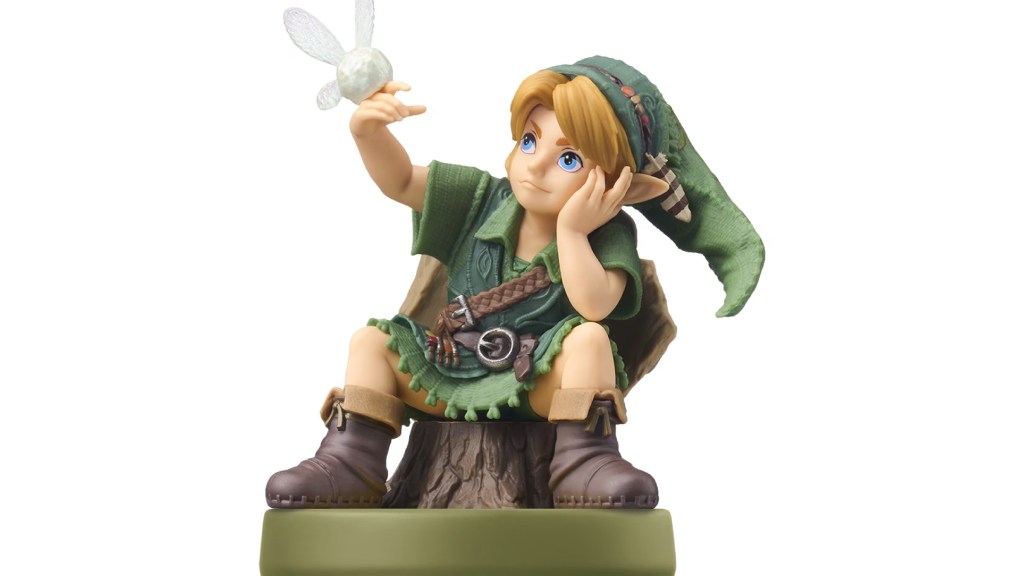
The other problem is that The Legend of Zelda has never been particularly interested in telling one definitive version of Link’s story. He’s been a farm boy, a young adventurer, a sailor, and a knight-in-training. Sometimes he’s a child facing an enormous threat. Other times he’s a young man dealing with responsibilities that nobody his age should have to carry. The games change their settings and timelines, but the basic idea remains remarkably consistent. An ordinary person finds himself caught up in something extraordinary. That’s a perfectly good foundation for a movie, although the filmmakers will need to decide which parts of Link’s personality carry across those different incarnations. His courage is obvious. His relationship with Zelda is another matter. The two have shared some wonderful moments throughout the series, but their dynamic changes considerably depending on the game. Breath of the Wild arguably offers the richest material for exploring that relationship because Zelda’s memories reveal how much pressure both characters carry. There’s a story there that doesn’t require Link to spend half the movie explaining his feelings.
I’d actually be more concerned about the filmmakers making Link too familiar. Video game movies have a habit of giving their protagonists conventional personalities because somebody assumes audiences need constant dialogue and jokes to stay interested. But Link has survived this long precisely because Nintendo never treated him like every other adventure hero. His silence gives the player room to connect with him. The movie needs to find a cinematic equivalent for that relationship. Maybe he’ll speak occasionally. Maybe he’ll communicate more through expressions and actions. Either way, the important thing is that we understand what drives him and why protecting Hyrule matters to him. The Master Sword, the Triforce, and all those familiar locations will help sell the fantasy. Getting audiences invested in the person carrying that sword is a much harder assignment. Nintendo has spent decades letting players decide who Link is. Now the movie has to make that decision itself.
More Movies
-
Image Courtesy of Marvel