The horror genre boasts many of the longest-running movie franchises in modern cinema. The appeal of horror movies is timeless, as audiences across every generation seem to appreciate being scared by big-screen stories. This has seen many of the most successful or popular horror movies earn follow-ups, spawning sequels and, in some cases, entire franchises following their heroes and villains. Many of the best horror movie franchises are those that build their mythology around a single idea or antagonist, establishing a sense of narrative continuity that can survive the genre’s largely disposable casts. In a genre where very few characters actually survive, cementing a solid franchise foundation can be tricky, but many have succeeded in their attempts.
Videos by ComicBook.com
However, these franchises don’t always get it right. In fact, even the best horror movie sequels sometimes get aspects of the original wrong, focusing on elements that should have been left behind or, more importantly, ignoring the ideas that made the first movie so good. Over the years, there have been many horror franchises that have, over time, abandoned the most promising and exciting ideas of their early entries, instead becoming a worse version of what they otherwise might have been.
5) Final Destination
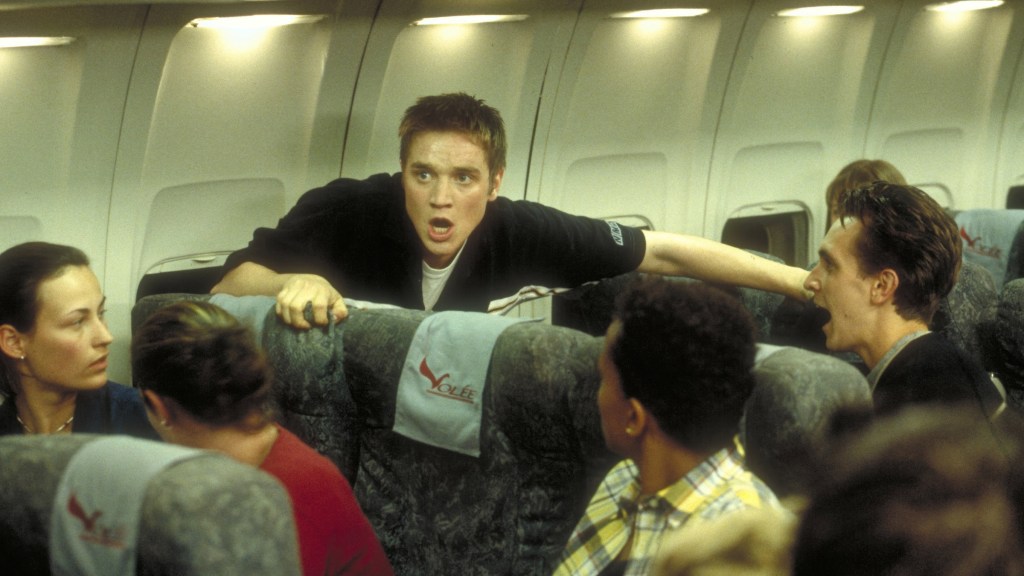
There aren’t too many horror franchises like Final Destination. Built upon a premise that is practically staggering in its simple brilliance, it has gone on to routinely deliver utter mediocrity in recent years. The franchise’s first and second movies perfectly capture its core idea, though: what if death was actually a sentient force intent on claiming the lives of those who cheat it? A byproduct of that notion in the first movies was the franchise’s incredibly creative deaths. Rube Goldberg-esque sequences of events outline Death’s ability to conspire to cause a seemingly accidental death, often far more horrific than the fate the character in question managed to escape the first time around. Unfortunately, it was the visual complexity and visceral brutality of these deaths that the franchise came to focus on, with the original movies’ pervasive sense of existential dread instead being relegated to the background. What was once the franchise’s best attribute then became little more than an afterthought, with Final Destination movies instead just becoming a circus of elaborate, grisly accidents.
4) Saw
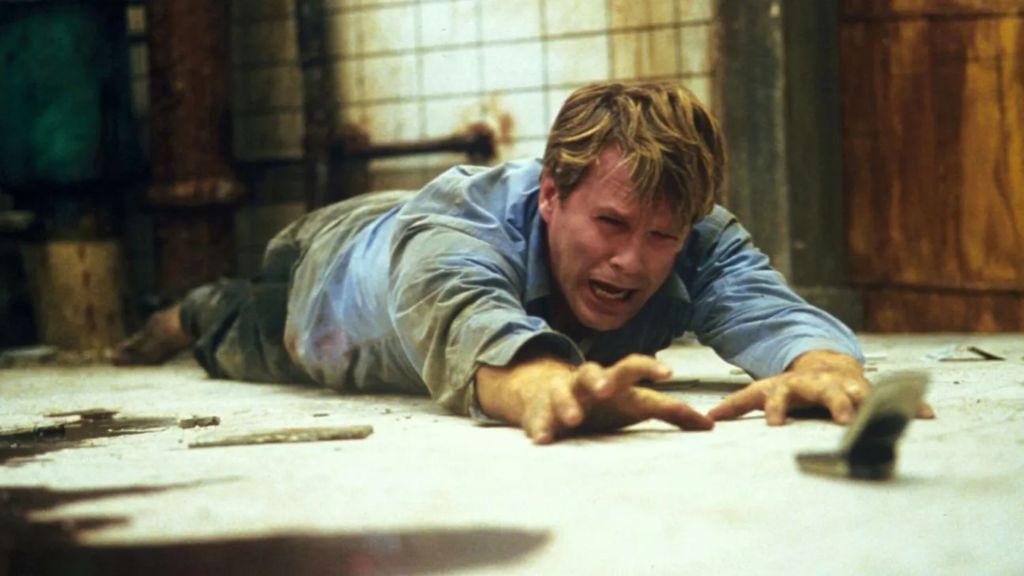
As there have now been so many movies in the Saw franchise, it’s often hard for all but the most dedicated fans to keep track of its ever-expanding story. It all started back in 2004 with one of the most innovative horror movies of all time, combining an atmosphere of immediate peril with a more slow-burn central mystery, framed by a very simple yet horrifying choice. With a small cast, a non-linear story with plenty of twists and turns, and a truly unique idea at its core, Saw immediately stood out as one of the most inspired horror movies of its era. Sadly, the release of a quick succession of sequels saw the powers that be fundamentally misunderstand the introspective brilliance of the original, instead opting to deliver more of the gruesome, deadly traps in order to better catch the eye of fans (and, in many cases, the ire of critics). Fundamentally, the Saw franchise’s issue stemmed from moving away from the tight cast and single location of the original, instead bringing in larger casts of characters to kill off and making Jigsaw’s traps more deadly, grisly, and cruel. Saw effectively cashed in on the most controversial aspect of the original, practically abandoning all of its other incredibly interesting ideas in the process.
3) Resident Evil
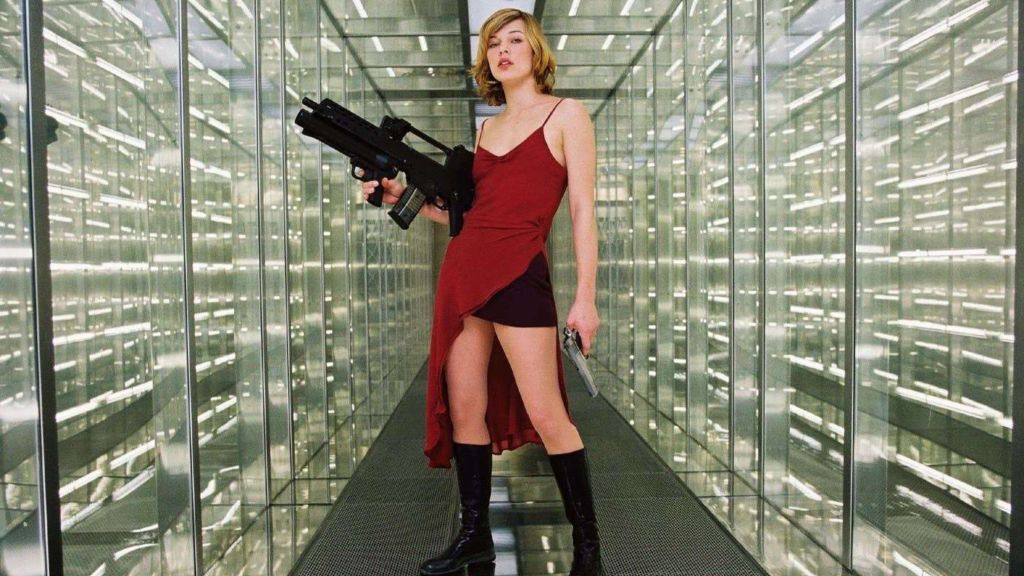
While the movies based on the Resident Evil video games have rarely impressed, the film franchise is guilty of ignoring the original movie adaptation’s best idea. The original run of Resident Evil movies largely ignored the games’ stories, instead using the source material as a foundation from which to build their narrative. While this might not have impressed many fans, the original 2002 movie was actually better off for it, introducing an original heroine who navigated the initial outbreak of the T-virus inside an underground Umbrella Corporation facility. What started as a claustrophobic piece of sci-fi horror — admittedly, it had its flaws, but it also had a lot of promise — soon descended into generic zombie action movies, with later movies in the franchise moving away from the more horror-focused elements and instead delivering bombastic set pieces that largely failed to land with audiences. The later movies essentially opted to build upon the worst elements of the original, abandoning the movie’s best ideas in favor of action fluff that effectively killed the franchise.
2) Halloween
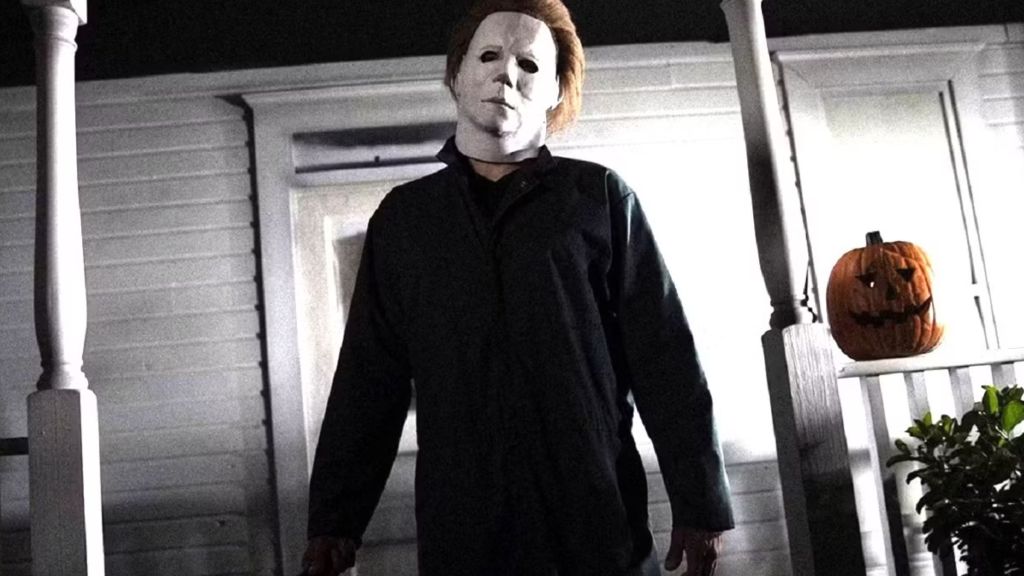
1978’s Halloween gave us both one of the deadliest horror movie villains of all time, and one of the most influential horror films ever made. It’s an iconic movie that has come to define the slasher genre, and both its quality and cinematic legacy cannot be overstated. However, the franchise that sprung up around the character of Michael Myers actually wasted the best aspect of the original movie. Where the sequels built an entire supernatural mythos around the iconic villain, Halloween instead could have worked better as an anthology franchise, with each new movie focusing on a different — but thematically similar — chain of horrifying Halloween murders. Instead of focusing purely on Myers, the franchise could instead have branched out much further, and in doing so would have never delivered as many uninspired and ill-advised sequels as it has. As iconic as the franchise might be, every movie since the first has actually moved further and further away from the simple, powerful idea behind the original: Halloween is a perfect time for a deranged killer to embark on a violent killing frenzy.
1) Hellraiser
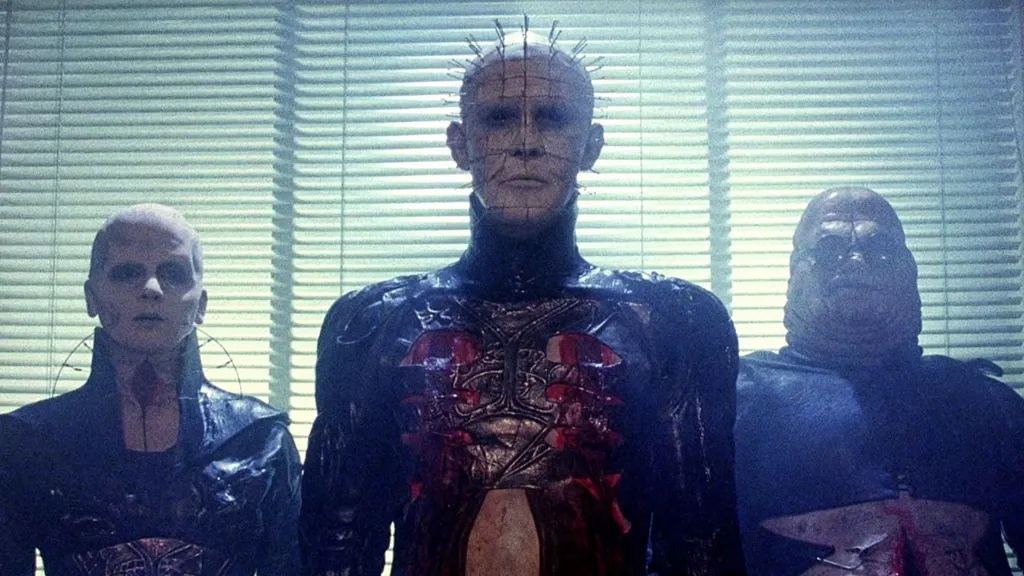
Clive Barker’s original Hellraiser stands out as one of the best horror movies of the 1980s, even against some incredibly stiff competition. The movie concerns a man plagued by his decision to give in to his baser urges, resulting in unimaginable torment at the hands of the Cenobites, extra-dimensional beings predisposed to delivering sadomasochistic punishment. In this, its horror felt almost cosmic in nature, but with its roots in the examination of the more dangerous side of human nature. While the film’s direct sequel was pretty good, every subsequent movie in the franchise seemed to move further and further from the narrative themes and deeper ideas of the original. By increasing the focus on the Cenobites, the Hellraiser franchise became a generic horror series with a focus on visceral imagery and the associated shock factor rather than the rich narrative ideas of the first film. As the franchise continued to grow, the movies seemed to become further removed from the original ideas, losing their way by embracing the simpler, less interesting aspects of its story.
More Movies
-
Image Courtesy of HBO -
IMAGE COURTESY OF MARVEL STUDIOS -
Courtesy of Orion Pictures