TV has its ups and downs, and the 2010s gave us several fan-favorite shows that are still remembered by a large part of the audience today. It was the decade that brought us Game of Thrones, The Walking Dead, and Stranger Things, just to name a few. But going back and watching some of these shows can be a rather interesting experience, since not everything has aged as well as we might have hoped. Back then, certain issues either went unnoticed or weren’t discussed as much as they are today, but they would be a much bigger problem now.
Videos by ComicBook.com
That doesn’t mean these series have stopped being entertaining or that their flaws take away from everything they contributed to TV’s history. However, it’s interesting to consider how differently they would be received if they premiered today, because their audience numbers and overall reception would almost certainly look different. Curious to see which ones would struggle the most? We’ve picked 4 for this list.
4) American Horror Story
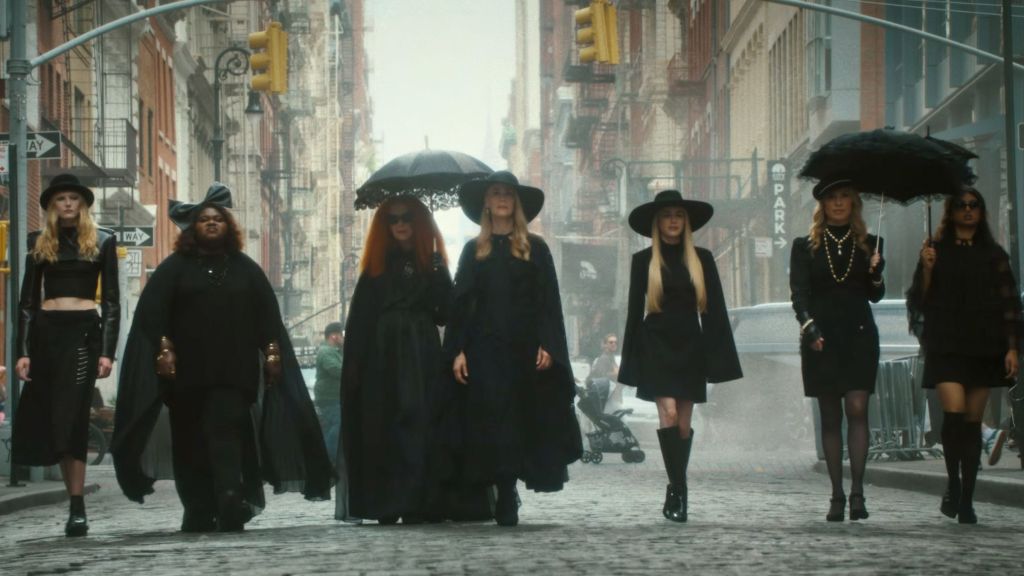
When American Horror Story first came out, it became a huge hit, and one of the coolest things about the show was how willing it was to push boundaries that other productions, especially in the horror genre, wouldn’t even attempt to cross at the time. It’s an anthology series that tells a different story each season, with plots involving everything such as a haunted house, a psychiatric hospital, a coven of witches, a supernatural hotel, and more. This format gives the writing plenty of freedom to explore different ideas and keep things fresh for the audience. But on the other hand, that freedom can eventually be a problem if it’s not handled properly—and that’s exactly what happened.
After tons of episodes of shocking and surprising everyone in all kinds of ways, AHS seems to have reached a point where it just doesn’t have much left to offer. The show has always pushed things too far, relying on gore, caricature characters, and real-life issues, for example, but often without giving these stories much depth. At first, this wasn’t such a big deal, but as time went on, these problems became more noticeable and started bothering fans. Besides, the show also can’t recognize when an idea has already been explored to exhaustion. Even so, it keeps going strong, and the only real difference is that a large part of its audience now spends more time criticizing it, and others have already given up.
3) The Vampire Diaries
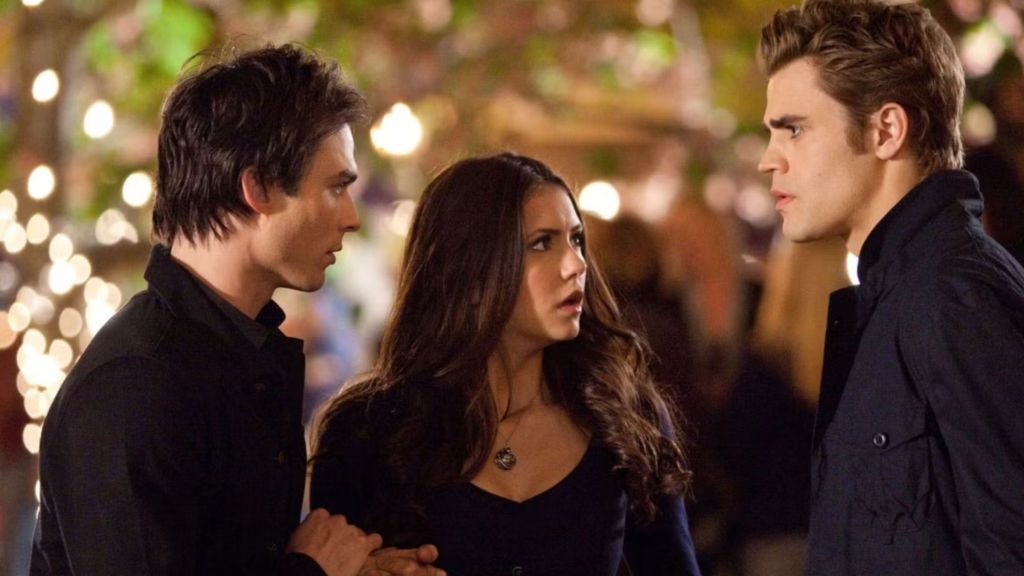
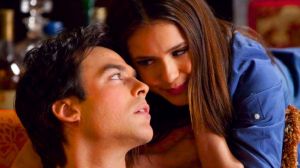
Fans of The Vampire Diaries have always been loyal to the show, so much so that you can still find people looking back on it fondly today. It’s definitely one of the most iconic vampire productions on TV. Based on L. J. Smith’s book series, the story follows Elena (Nina Dobrev), a girl trying to cope with the loss of her parents, who meets Stefan (Paul Wesley) and finds out he’s a vampire. Then Damon (Ian Somerhalder), his older and more unpredictable brother, shows up, turning her life into a series of romances, dangerous situations, and supernatural threats involving other kinds of creatures. And well, you can easily see how perfectly this concept fit the 2010s, but it wouldn’t make quite the same impression today, would it?
And why is that? Besides the fact that vampire stories (especially those centered around romance) have become oversaturated, the series featured several storylines that portrayed abusive behavior with a kind of charm that people are now much better at recognizing as problematic. Damon, for example, is always manipulating people, disregarding their autonomy, and even using vampire compulsion to control some other characters, which are actions you wouldn’t look at the same way today. It’s not that characters like him shouldn’t exist in TV shows anymore, but back then, audiences were much more willing to overlook that behavior because there was a love story at the center of it all. So, TVD was a product of its time.
2) Orange Is the New Black
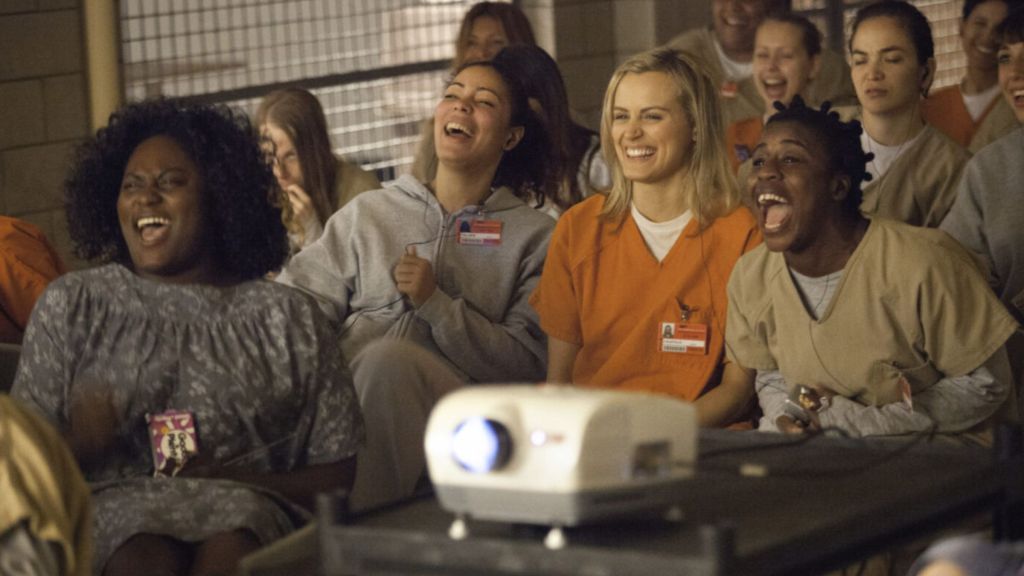
These days, Orange Is the New Black doesn’t really get talked about, which is pretty wild considering how popular it was throughout the 2010s. One of its strongest aspects was showing that women in prison didn’t have to be treated as secondary characters or supporting figures in someone else’s story. The plot initially focuses on Piper Chapman (Taylor Schilling), an upper-middle-class woman sentenced to prison for a crime she committed years earlier, as she tries to adjust to life at Litchfield and get along with inmates from very different backgrounds. But as the story progresses, the show shifts its attention to the other women as well, giving us a chance to know their lives and explore important issues such as racism, violence, social inequality, and the flaws of the American prison system.
Basically, Orange Is the New Black was groundbreaking at the time. However, the way it chose to address some of these issues could be a problem today: the suffering of some characters was often a driving force behind the drama, without giving them enough room to develop their own storylines. Poussey’s (Samira Wiley) death, for example, was one of the most memorable moments, but it also made people question why the death of a Black character had to be used to create an emotional impact. These are important subjects that need to be discussed, but they also require a lot more care in how they’re handled. Some of the show’s narrative choices would likely face much more scrutiny if it premiered today.
1) Glee
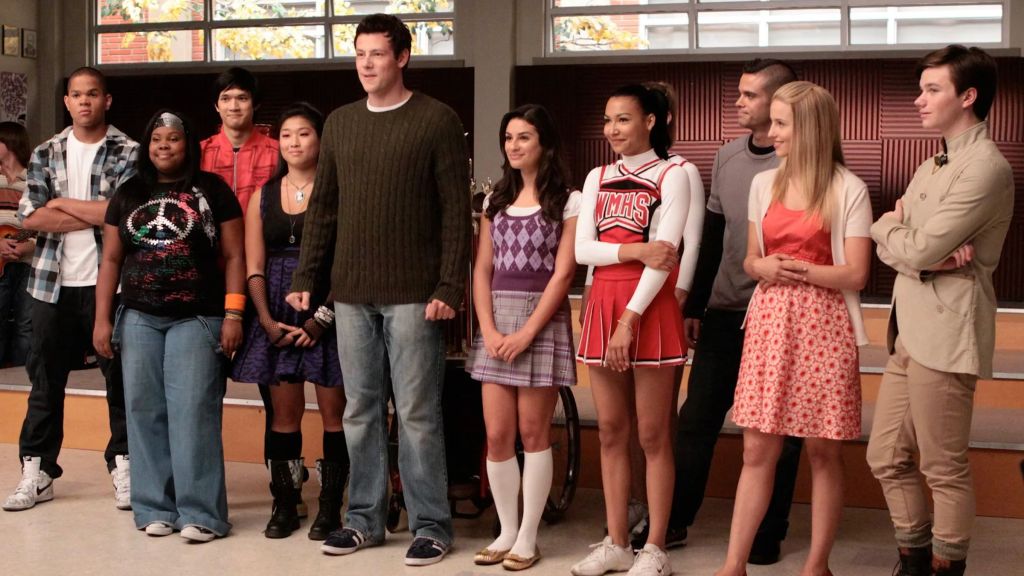
Today, although they’re still hard to come by, there’s some variety of musical shows, but back then, Glee was one of the pioneers of the format, which is why it managed to build a big fanbase for several years. The idea was to follow a group of outcast students who find a way to express themselves through music. The story initially centers on Will Schuester (Matthew Morrison), a teacher trying to bring McKinley’s glee club back to life, who ends up bringing together students who, for different reasons, don’t quite fit into the traditional high school environment. And between romances, musical competitions, and the usual teenage drama, the show also touched on subjects like bullying, sexuality, discrimination, and acceptance.
However, Glee had a pretty contradictory relationship with the very messages it was trying to promote. While it encouraged people to embrace their differences, it also relied on jokes about physical appearance, race, disability, and sexual orientation, often making stereotypes a central part of its humor. Who could forget cheerleading coach Sue Sylvester (Jane Lynch)? As funny as she could be, most of her comedy revolved around insults and offensive remarks, a type of humor that just wouldn’t work the same way today. The problem isn’t that the series made politically incorrect jokes or featured unlikeable characters, but that it often failed to recognize the difference between making fun of prejudice and actually reproducing it. And now it’s set to get a reboot—but some fans are already worried about it.
More TV Shows
-
Image Courtesy of HBO -
Image Courtesy of UGT / Fuzzy Door / MRC