The Marvel Cinematic Universe has consolidated its position as the preeminent source of superhero television over the last decade, transitioning from experimental network dramas to a centralized streaming strategy. In 2026 alone, Marvel Studios has already delivered the critically acclaimed Wonder Man, while also promising fans the highly anticipated second season of Daredevil: Born Again in March, a dedicated Punisher television special, and the reality-warping narrative of VisionQuest. Furthermore, the return of Your Friendly Neighborhood Spider-Man demonstrates the studio’s commitment to diverse animated storytelling. However, this relentless output often pushes smaller or older projects into obscurity.
Videos by ComicBook.com
The current dominance of Disney+ obscures a more complex and fragmented history of Marvel television. For years, the licensing of characters to various networks led to a series of parallel production strategies that operated with varying degrees of autonomy. This era produced several shows that are either explicitly set outside the primary continuity or are trapped in a state of perpetual canon ambiguity following the restructuring of Marvel Entertainment. Furthermore, until the Fox acquisition by Disney and the current deals with Sony, many Marvel characters were featured in productions outside the MCU canon, even as the universe established itself. As a result, there are many great Marvel TV shows that never got the love they deserved.
8) M.O.D.O.K.

M.O.D.O.K. serves as a rare example of Marvel leaning into adult-oriented comedy, utilizing a distinct stop-motion style to explore the domestic failures of a world-conquering villain. The series follows M.O.D.O.K. (voiced by Patton Oswalt) as he struggles to maintain control of his criminal organization, A.I.M., while navigating a crumbling marriage and the complexities of suburban life. The production is notable for its sharp, self-deprecating humor and its deep appreciation for obscure comic book lore, often featuring cameos that more mainstream projects would ignore.
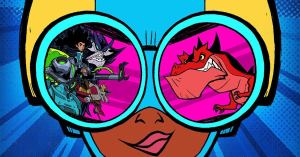
Despite its creative ambition, M.O.D.O.K. was developed during a transitional period for Marvel TV, landing on Hulu just as the studio began shifting focus toward live-action Disney+ content. Furthermore, its placement outside of the primary MCU continuity made it feel expendable to viewers who prioritize interconnected storytelling over standalone experimentation. Ultimately, the show’s premature cancellation prevented it from finding a wider audience that appreciates its subversion of traditional archetypes.
7) Guardians of the Galaxy

The animated Guardians of the Galaxy series often suffers from being viewed as a mere companion piece to James Gunn’s live-action films, yet it established a vibrant identity through its expansive cosmic world-building. While it utilizes the same core team led by Star-Lord (voiced by Will Friedle), the animated series frequently ventures into weirder corners of the Marvel universe, exploring the deep history of the Spartax Empire and the origin of the Symbiotes.
Guardians of the Galaxy‘s episodic nature allows for a more detailed look at the internal dynamics of the team, balancing high-stakes space opera with the found-family chemistry that defines the franchise. Its status as an underrated project stems from its target demographic on Disney XD, which often leads older fans to dismiss it as a juvenile production. Instead, the series features sophisticated storytelling arcs and a creative visual palette that rivals the cinematic entries. Plus, by operating in its own reality, the show provides a fresh perspective on these characters without the burden of maintaining the MCU’s chronology.
6) The Gifted

The Gifted offered a grounded exploration of the X-Men mythos by focusing on the perspective of ordinary parents, Reed (Stephen Moyer) and Caitlin Strucker (Amy Acker), who discover their children possess mutant abilities. The narrative follows an underground resistance movement forced to navigate a world where the X-Men have vanished, and a militaristic government agency seeks to intern all enhanced individuals. With this premise, the series successfully captures the social allegory inherent in the mutant metaphor, prioritizing the tension of a survivalist thriller over the colorful heroics of the source material.
The Gifted was originally broadcast on Fox, which placed it in direct competition with the burgeoning MCU on other platforms. On top of that, the acquisition of Fox by Disney eventually led to the show’s quiet conclusion, as the franchise prepared to reboot mutants within the mainstream timeline. This corporate shift left a compelling, character-driven drama in a state of neglected canon, despite its strong performances and thematic depth.
5) Runaways

Based on the beloved comic book series, Runaways follows six teenagers who discover their parents are members of a villainous cabal known as the Pride. The show, which features Alex Wilder (Rhenzy Feliz) and Nico Minoru (Lyrica Okano), excels by treating the supernatural and technological elements of the plot as secondary to the emotional fallout of parental betrayal. In addition, by leaning into the aesthetics of a teen soap opera while maintaining the high stakes of a superhero conspiracy, the production created a unique tonal blend that felt distinct from other Marvel offerings.
Despite being created to be part of the larger MCU, Runaways rarely crossed over with the broader franchise and received minimal marketing compared to its cinematic counterparts. Additionally, the slow-burning pacing of the first season alienated some viewers looking for immediate action, though the subsequent years rewarded patient fans with complex arcs involving alien cults and mystical dimensions. The series remains a stylish and poignant adaptation of youthful rebellion, and MCU fans should give it another chance now that Runaways is streaming for free.
4) Cloak & Dagger
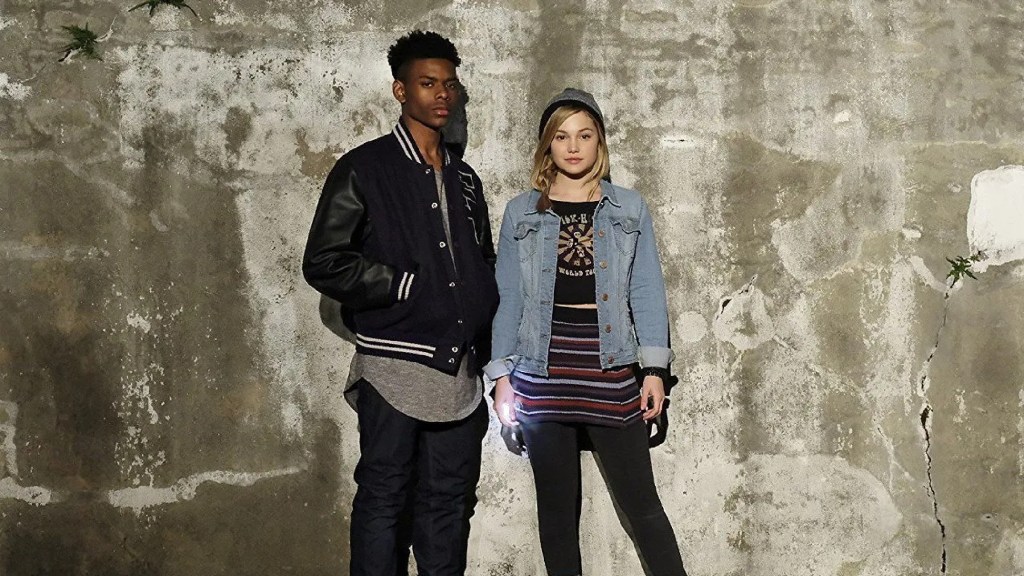
Cloak & Dagger utilized its Freeform setting to deliver a socially conscious take on the superhero genre that remains one of Marvel’s most atmospheric productions. The story centers on Tandy Bowen (Olivia Holt) and Tyrone Johnson (Aubrey Joseph), two teenagers from vastly different backgrounds who are linked by a shared tragedy and mysterious light-and-dark powers. While the premise sounds like classic superhero drama, the series distinguishes itself by prioritizing New Orleans as a character, incorporating elements of Voodoo and local history into the mystical lore.
Cloak & Dagger‘s grounded approach allowed the show to address difficult topics such as systemic racism, corporate corruption, and drug addiction with a level of sincerity rarely seen in the genre. Despite a successful crossover with Runaways, the series was still associated with a network often ignored by adult audiences. Furthermore, the lack of direct ties to the larger MCU, despite it being somewhat canon to the Scared Timeline, led many to skip this gem, which offers some of the most consistent character writing in the entire Marvel catalog.
3) Hit-Monkey
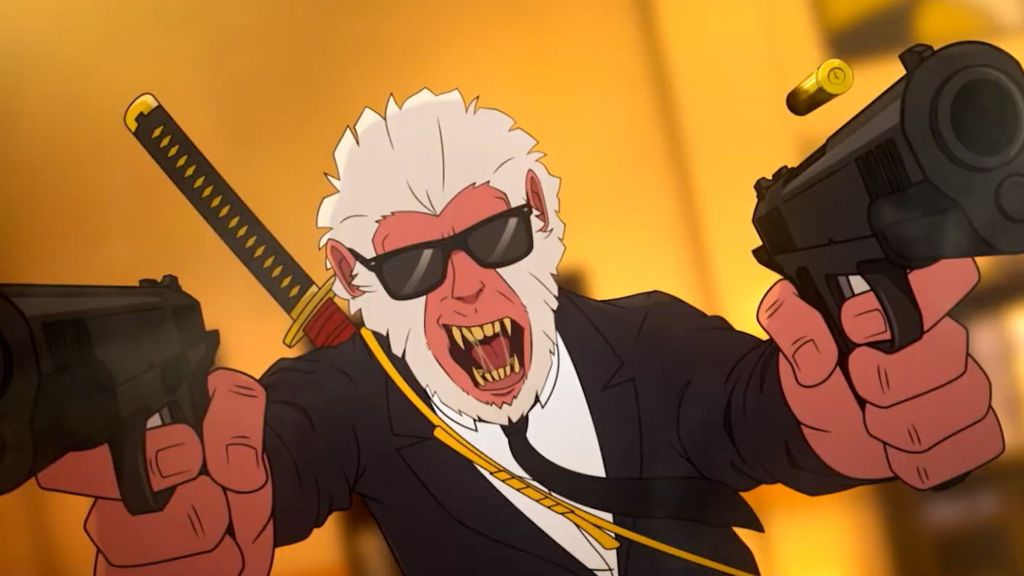
Hit-Monkey is a bizarre adult animation that manages to find profound emotional resonance within its absurd premise. The series follows a Japanese macaque, known simply as Monkey (voiced by Fred Tatasciore), who becomes a professional assassin guided by the sarcastic ghost of an American hitman, Bryce (voiced by Jason Sudeikis). The production features a sharp visual style and a cynical wit that contrasts the brutal action sequences with a surprisingly touching exploration of grief and vengeance. It represents the “low-life, high-tech” aesthetic of the Marvel underworld, focusing on internal power struggles in Tokyo rather than global cataclysms.
While one of the best animated series in the superhero genre, Hit-Monkey remains underseen largely because it belongs to the defunct “Marvel TV” era, surviving as a standalone project on Hulu without the promotional engine of Marvel Studios. Because it lacks a recognizable household name as its lead, many viewers overlooked its release, missing out on what is arguably the most tonally daring animated series Marvel has ever produced.
2) Agent Carter
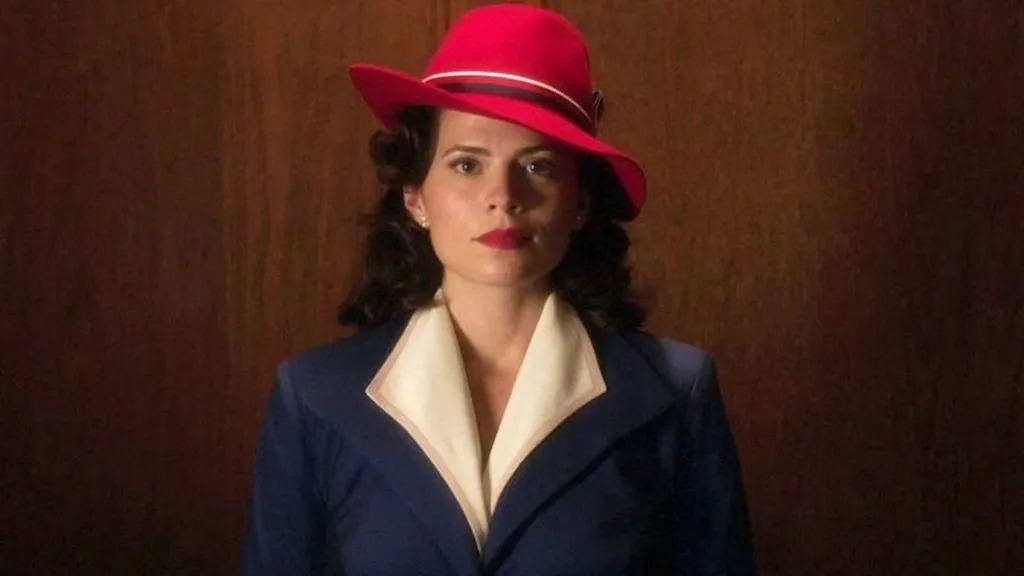
Despite its direct connections to the founding of SHIELD, Agent Carter remains one of the most unfairly neglected entries in the MCU library. The series stars Peggy Carter (Hayley Atwell) as she navigates the misogynistic corporate landscape of post-World War II intelligence while conducting clandestine missions for Howard Stark (Dominic Cooper). The production is a triumph of period-accurate design, utilizing the 1940s setting to create a stylish noir atmosphere that feels entirely unique within the franchise. Adding to the plot, Peggy’s struggle to balance her grief over Steve Rogers (Chris Evans) with her professional ambition provides a compelling emotional anchor that validates her status as a foundational hero.
Agent Carter‘s initial broadcast on ABC struggled to maintain consistent viewership, leading to its cancellation after only two seasons, despite a tantalizing cliffhanger. Then, after Marvel Studios took over TV production, the show was relegated to a quasi-canon status, set outside the official MCU continuity and unfairly deemed a lesser project. While the character eventually returned for cameos in the movies and What If…?, the loss of her solo series remains a significant missed opportunity to explore the formative years of the MCU’s institutional history.
1) She-Hulk: Attorney at Law
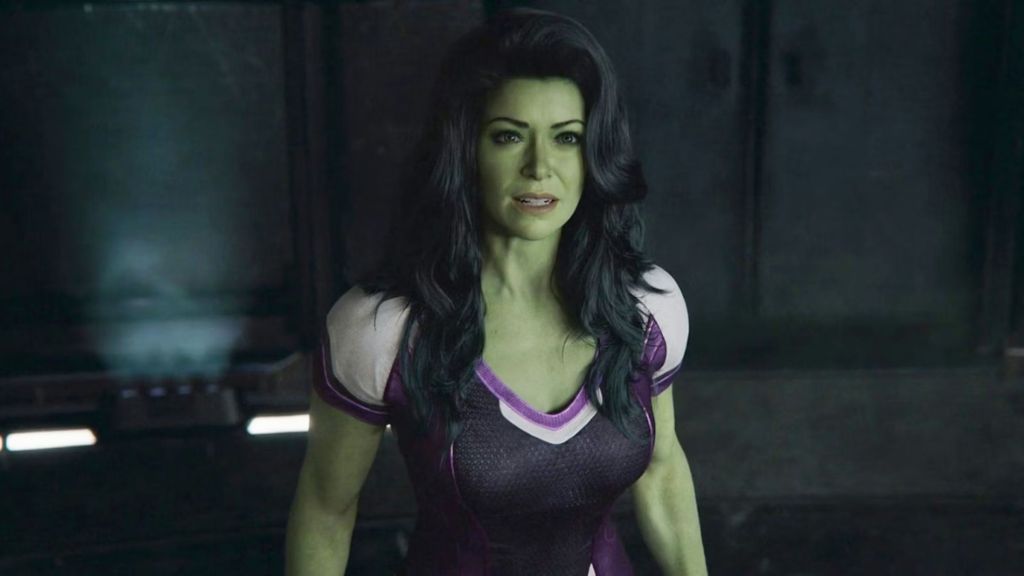
She-Hulk: Attorney at Law stands as the most underrated Marvel production because it successfully executed a radical tonal shift that many viewers were unprepared to embrace. The series follows Jennifer Walters (Tatiana Maslany), a lawyer who gains the powers of her cousin, Bruce Banner (Mark Ruffalo), while attempting to maintain her career in law. By adopting the format of a legal comedy and utilizing Fourth-Wall-breaking meta-commentary, the show directly addressed the criticisms and toxicities of modern fandom.
She-Hulk: Attorney at Law‘s self-awareness was often misinterpreted as a lack of focus, leading to a polarizing reception that obscured the show’s clever writing and thematic exploration of female autonomy. Furthermore, the final episode’s subversion of the standard superhero climax remains one of the most daring creative choices in the MCU’s history. Despite its brilliance as a character study, the series was maligned by vocal segments of the audience who resisted its departure from the traditional action formula, leaving it as a misunderstood masterpiece of the Disney+ era.
Which overlooked Marvel television shows do you think fans should absolutely watch? Leave a comment below and join the conversation now in the ComicBook Forum!
Most Viewed
-
Image courtesy of Sony -
Image courtesy of Warner Bros. Pictures