With Season 1 wrapped, A Knight of the Seven Kingdoms is exactly what the world of Westeros and fans needed from a new adaptation of George R. R. Martin’s work and a fresh TV spin-off: no dragons soaring overhead and no kingdoms erupting into all-out war. Instead, the show stands out for its approach and carefully crafted tone: smaller in scale and far more intimate, the story follows Ser Duncan the Tall (Peter Claffey) and his loyal squire, Egg (Dexter Sol Ansell), as they face conflicts that are full of political weight. It’s not about spectacular sequences or explosive monologues, but about tournaments, alliances, honor, and the kind of decisions that force a character to grow. So this is a fantasy that prioritizes dialogue and tension over spectacle.
Videos by ComicBook.com
Naturally, plenty of viewers connected with this grounded take, especially as a refreshing shift for the genre. But are there other series that capture a similar energy and can keep you hooked while waiting for Season 2? Absolutely. Here are 7 great fantasy shows to watch after A Knight of the Seven Kingdoms.
7) Merlin
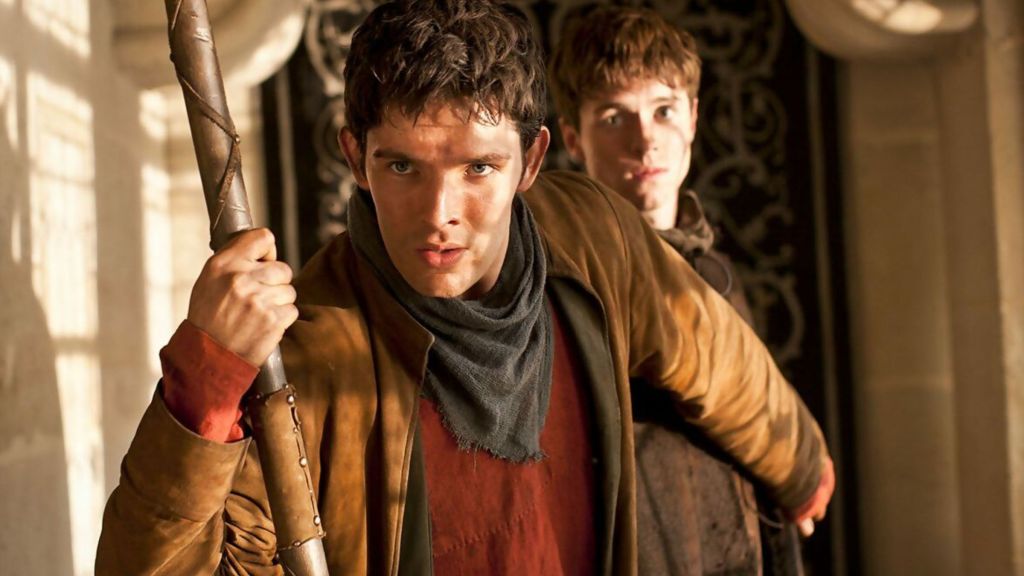
For anyone who enjoys fantasy but isn’t a fan of the genre’s more traditional and dense side, Merlin is the perfect pick: accessible, easy to watch, and pure medieval fantasy comfort. The series follows a young Merlin (Colin Morgan) arriving in Camelot and secretly forming a bond with the future King Arthur (Bradley James). At the same time, he has to hide his powers in a kingdom where magic is outlawed. It’s an origin story about friendship, destiny, and character formation. But what does it offer fans of AKOTSK?
The show is built around honor, loyalty, and fate — three pillars that also support the Game of Thrones spin-off. The servant-and-future-king dynamic closely mirrors the classic knightly relationship between Dunk and Egg: hierarchy, trust, and mutual growth. The key difference is tone. Merlin is lighter and more optimistic, without the introspective and melancholic edge that defines AKOTSK (so death doesn’t hang over every decision). Still, if what you’re looking for is knights, codes of honor, and stories about becoming the person you’re meant to be, this one absolutely nails it.
6) The Sandman
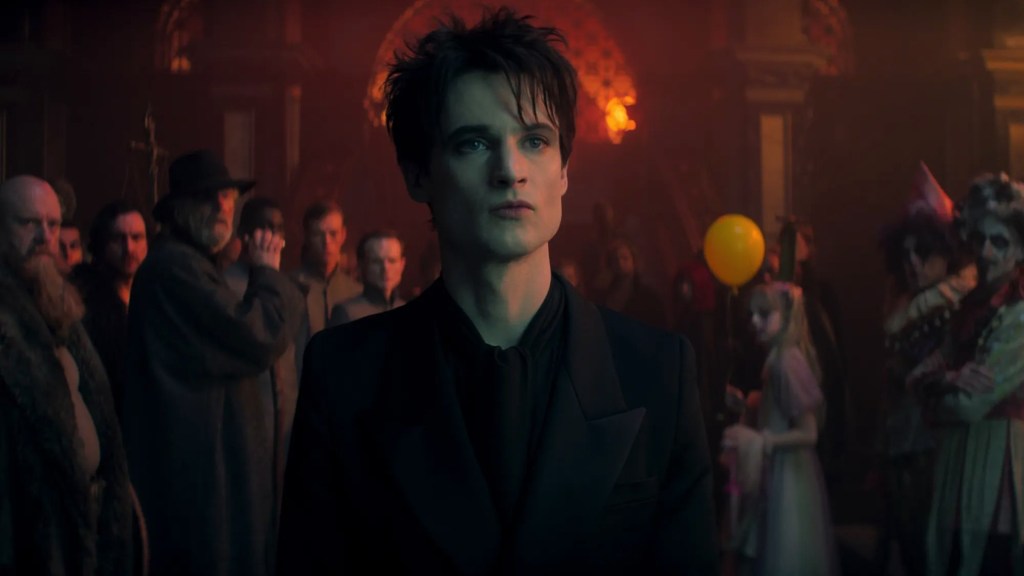
At first, The Sandman seems to have absolutely nothing in common with AKOTSK. The story follows Morpheus (Tom Sturridge), the personification of Dream, who, after decades of imprisonment, must rebuild his realm and restore balance between worlds. It’s dark fantasy mixed with pure existential drama. Along the way, it dives deep into topics like responsibility, guilt, change, and the consequences of past decisions. And even though it deals with cosmic entities and abstract concepts, the narrative is driven by deeply personal conflicts.
For AKOTSK fans, the connection isn’t aesthetic, but structural: both stories are built around character and consequence. Just as Dunk struggles to define what it means to be a knight in a flawed system, Morpheus is forced to confront his own moral rigidity. Each show prioritizes layered dialogue, dilemmas, ethics, and internal growth over large-scale battles. However, The Sandman is mythological, while the spin-off is feudal and political. Still, if you’re a fantasy fan that likes something more contained and introspective, it’s a compelling choice — less knightly, but just as invested in character development.

5) His Dark Materials
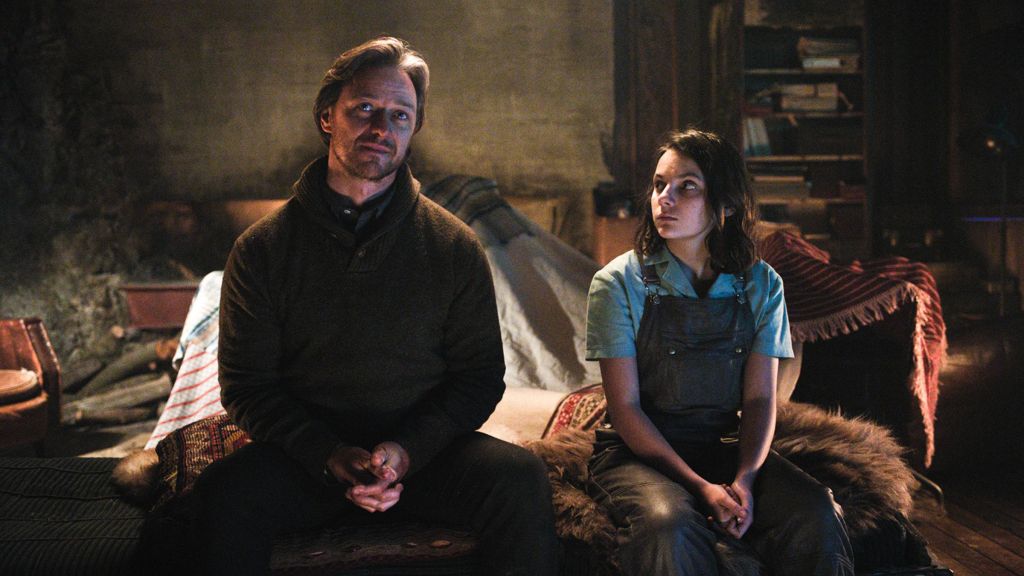
If there’s one fantasy series that feels consistently underrated and rarely gets the spotlight it deserves, it’s His Dark Materials. Also adapted from a book series, the show follows Lyra (Dafne Keen), a young girl who uncovers a conspiracy involving religious authority, science, and parallel worlds — all set in a universe where a person’s soul exists outside their body in the form of a daemon. It leans more into metaphysical fantasy, but it’s grounded in political tension and ideological conflict. While it’s not traditionally medieval, it shares with AKOTSK a clear interest in power structures and in young characters learning how to deal with systems far bigger than themselves.
The one thing some fans of the spin-off might struggle with is that His Dark Materials is more philosophical. Its core debates revolve around free will, institutional control, and the nature of the soul, whereas AKOTSK is rooted in hierarchy, honor, and social order. They’re different frameworks, but both tell compelling coming-of-age stories forged by moral pressure and oppressive environments. Essentially, they’re about the spirit of hero formation (even if Dunk just wants to be a decent and honorable knight).
4) The Witcher
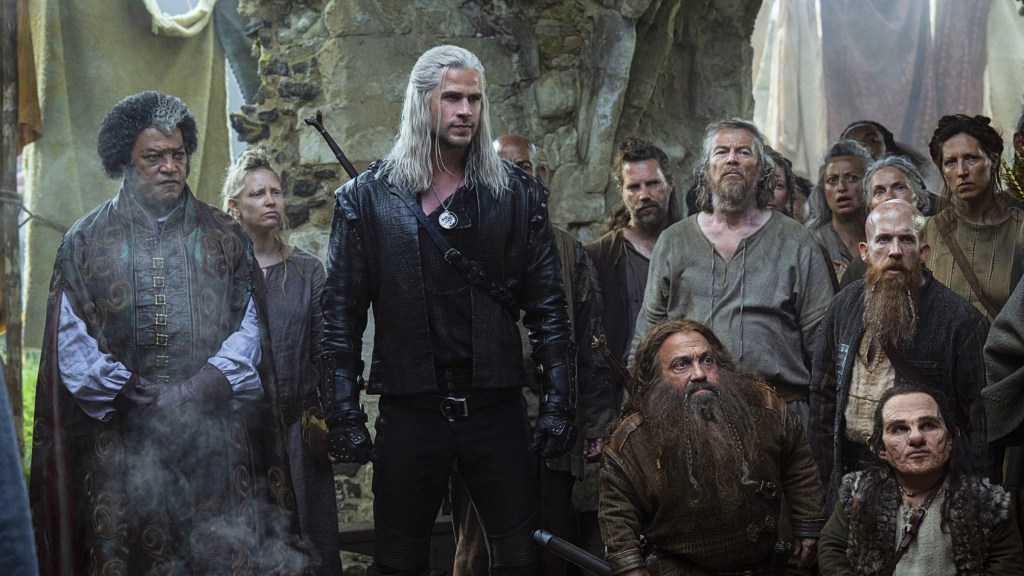
The Witcher has plenty of personal journeys and political intrigue, which are enough to keep AKOTSK fans engaged. The show follows Geralt of Rivia (Henry Cavill/Liam Hemsworth), a monster hunter trying to stay neutral as the continent descends into wars and even dynastic disputes. Over time, his relationship with Ciri (Freya Allan), a princess with a crucial destiny, becomes the emotional core of the plot. And even though the show leans more on fantastical elements, it still builds a morally ambiguous world that parallels the complexity of Westeros.
The Witcher juggles multiple timelines and emphasizes monsters, magic, and prophecy. That makes AKOTSK feel a bit more grounded and focused on the mentor-apprentice dynamic. But fans of the spin-off will still find common ground: wars between Nilfgaard and the Northern Kingdoms shape the world much like the Targaryen tensions after the Blackfyre Rebellion underpin the spin-off. Geralt tries to stay neutral, but he always chooses what he believes is right, just as Dunk does, even when it pits him against powerful nobles. Overall, it’s just a matter of embracing a more fantastical, less contained tone.
3) The Wheel of Time
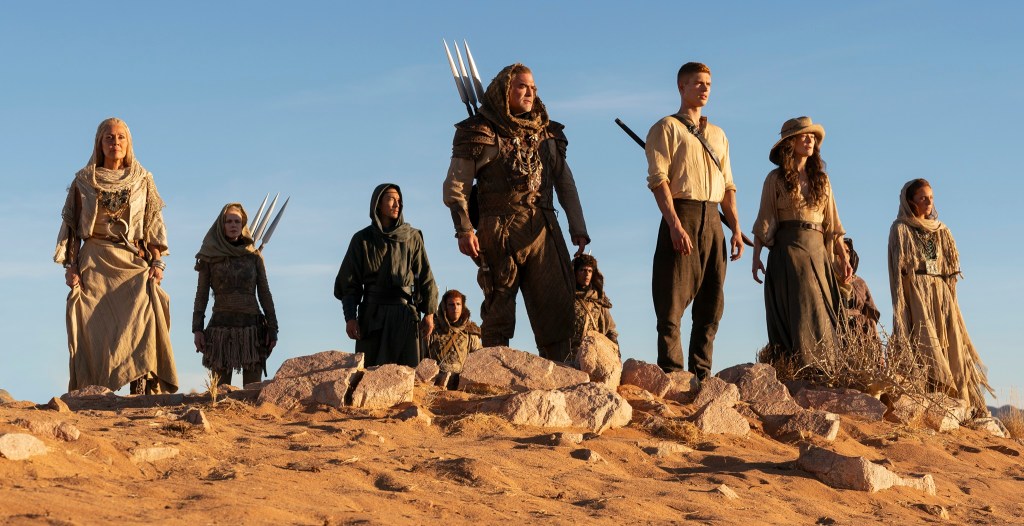
The Wheel of Time follows Moiraine (Rosamund Pike), a member of a powerful magical order, guiding five young people who may be tied to the reincarnation of a being destined to either save or destroy the world. It’s classic fantasy, with a collective journey, prophecies, fragmented kingdoms, and a sense of ancestral weight. It might not seem to have much in common with AKOTSK, but it shares more than it appears: the show does a solid job exploring ordinary characters being thrust into massive responsibilities.
The main connection lies in group dynamics and the tension leading up to confrontations. Trust and partnership are crucial, much like the relationship between Dunk and Egg throughout the spin-off. The key difference is scale: in The Wheel of Time, the fate of the world is on the line from the very start. Ultimately, it’s all about building alliances and developing characters, but with a more mythic approach. And even though the show was unfortunately canceled, it’s still worth checking out if you appreciate rich, character-driven fantasy.
2) House of the Dragon
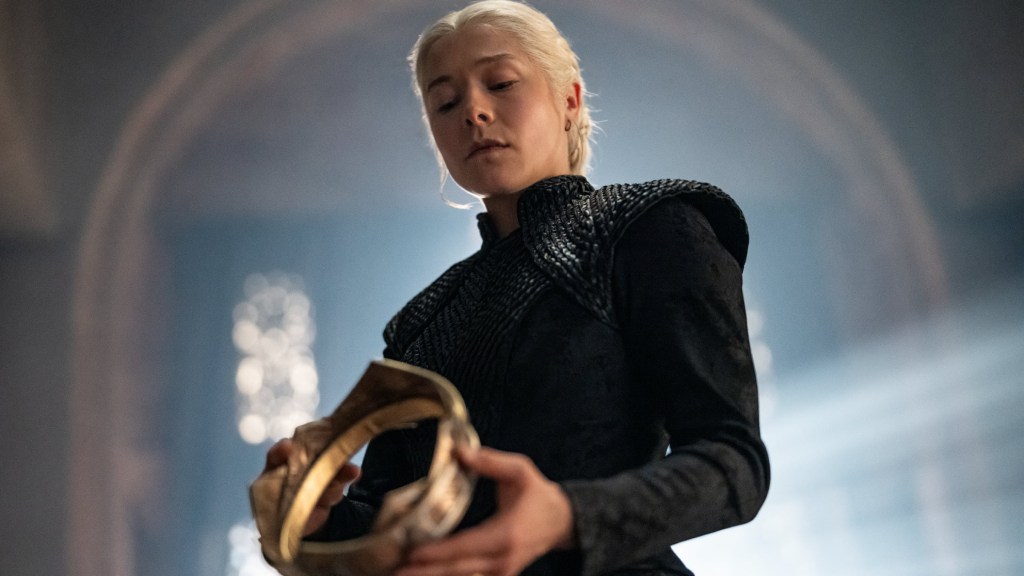
Game of Thrones is the root of Westeros, but there’s a big difference between it and House of the Dragon — and it’s not just because one focuses on the Targaryen family. In HOTD, the story centers on a civil war among the Targaryens, full of family rivalries, succession struggles, and power plays. Dragons are part of the mix, sure, but the real focus is on political maneuvers and personal choices that can destroy a dynasty. But even at its massive scale, the show manages to stay intimate, and this makes it the closest link to the world of AKOTSK.
For fans, the Targaryens’ prominence connects directly to Dunk and Egg’s story, but HOTD also highlights the weight of tradition, the importance of lineage, and the honor codes that get tested under pressure. The series can also operate on a more tragic and less adventurous scale compared to AKOTSK, but the DNA is unmistakably familiar. It’s a perfect complement, especially for viewers wanting to revisit or get to know key figures that tie both productions together.
1) The Last Kingdom

Set in 9th-century England, The Last Kingdom follows Uhtred (Alexander Dreymon), a Saxon raised by Vikings, as he fights to reclaim his ancestral lands. Along the way, he has to handle conflicts between kingdoms and cultures. And no, this isn’t traditional fantasy (and many wouldn’t even classify it as part of the genre), but it still manages to offer medieval warfare, politics, honor, and identity struggles with impressive realism. It’s a show that focuses on loyalty, alliances, and, above all, the consequences of each character’s choices.
For AKOTSK fans, it’s a near-perfect fit for those looking for a different setting but a similar approach. The Last Kingdom captures the core element: people trying to live by their own codes within rigid hierarchies. And that’s exactly the kind of tension between idealism and reality seen in the spin-off, making it a more grounded series that complements the world of Westeros beautifully. It’s a more human story, and in that sense, it meshes well with the other one.
Which one are you going to watch first? Leave a comment below and join the conversation now in the ComicBook Forum!
Most Viewed
-

Official art by Bastien Lecouffe-Deharme -

A photo of the Retrovolt Arcade taken in 2017, showing several classic arcade cabinets and stools.