Premiering on CBS in September of 1990, the Tiny Toon Adventures cartoon series was a substantial success among children, parents and critics alike. Billed as a next-generation take on the 1930s-40s Looney Tunes animated shorts that gained massive franchise fame after their re-airing on television in the 1950s, Tiny Toon Adventures starred teenage analogues to each Looney Tunes member, such as Babs and Buster Bunny, Plucky Duck, animal-loving yet rough-handed human Elmyra Duff, and boy-crazy skunk Fifi La Fume (whose gender-swap only slightly serves to dampen the inherent creepiness of her predecessor). Attending a school known as Acme Looniversity, where the original Looney Tunes cast act as their professors, the cast of Tiny Toon Adventures balance school life with zany slapstick adventures in Looniversity’s surrounding area of Acme Acres (and sometimes as far outside of it as Hollywood and Outer Space).
Videos by ComicBook.com
However, among these family-friendly episodes with their nonsense humor and low-stakes plots, one episode of Tiny Toon Adventures would stick in the minds of viewers and parents alike— and catch the attention of TV censors— with its wild depictions of substance abuse and morbid ending. Pulled from airing soon after its premiere, this episode is still infamous decades later as an iconic example of a TV PSA that went too far.
One Beer Was a Surreally Exaggerated Fever Dream About the Dangers of Alcohol
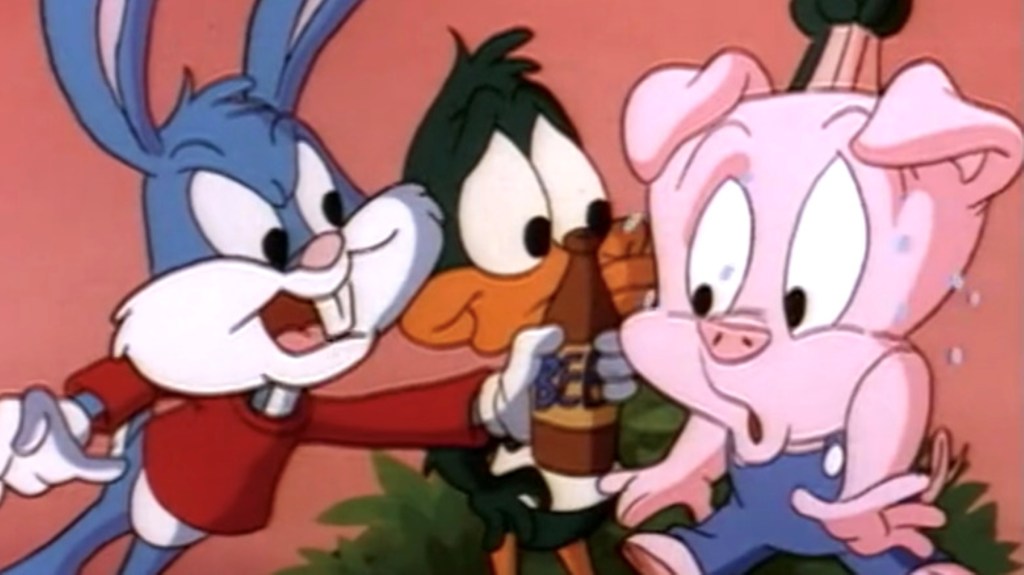
The Tiny Toon Adventures story titled One Beer premiered on September 18th, 1991 as the third and final segment of the anthology episode “Elephant Issues”, which itself was a semi-satirical take on animated PSAs of the time. Viewers would quickly realize, however, that this segment was different in tone from its more lighthearted predecessors— and from the show as a whole— as it opens with Buster pushing Plucky and Hampton J. Pig to try an ominously-lit beer from the fridge. The audience does get a quick clarification on what they’re in for here, as Buster turns to the camera and explains that this is an episode on “The Evils of Alcohol”, his face twisting momentarily into a devilish form.
True to the episode’s stated message, after just a sip each of the beer, the trio instantly become cartoonishly drunk, even seemingly manifesting disheveled, trashy outfits from thin air through the sheer power of intoxication. Stumbling around the screen, Buster, Hampton and Plucky annoy the girls of Acme Looniversity (who loudly express their disgust at the filthy, stinking drunkards their friends have become), before heading off to slump against a lamppost in a city alley— this episode spares no stereotype when it comes to depicting alcohol abuse.
It is at this point that the episode takes the turn that would leave it permanently seared into the minds of a generation. In yet another truly exceptional level of cliched writing, the trio decide to steal a cop car, with Plucky driving. Their wild swerving through the streets quickly turns dangerous, as they narrowly avoid a trash truck only to crash down the stairs of a subway station and onto the tracks, directly in the path of an oncoming locomotive with its blinding headlight speeding directly towards both the trio and the viewer until the whole screen is filled with blinding white. Slamming back up to the surface, things take an even more surreal turn (and, depending on your interpretation, it is unclear whether these characters are even still alive at this point) as the car swerves down a winding road with a sign reading “Now Leaving Reality” before spiraling with increasingly overwhelming speed up a steep mountain dotted with ominous signs and baffling directions.
Finally careening off of the mountain’s peak, the car falls for a solid 10 seconds before crashing into a graveyard in a smoke-filled explosion, with the beer bottle landing unharmed a few feet away like some avatar of immortal evil. The episode ends with the trio ascending to Heaven, which in turn pulls away to reveal prop clouds and a backstage setting— the whole thing was just a play. Buster remarks that he hopes the audience “got the message”.
The Fatal Consequences of Substance Abuse Were a Common Sight In 80s Cartoons

Tiny Toon Adventures was far from the only cartoon of this era to occasionally abandon its usual format in favor of a serious— and often dark and morbid— episode about substance abuse. The 1980s-mid 1990s were the era of PSA (public safety announcement) content in children’s cartoons, as well as that of the Very Special Episode— serious detours from normally lighthearted shows that could tackle topics ranging from drug use to terminal illness to racism. Both of these intruding bouts of seriousness were meant to teach children about more “grown-up” topics through the comfortable and familiar medium of their favorite cartoon characters, seemingly in the hope that the emotional attachment the young viewers had to these characters would make these uncomfortable topics easier to understand (and that any included advice, coming from the mouths of these characters, more likely to be respected and followed).
While this tactic undoubtably worked in many cases and imparted many important lessons, in many instances, the combination of kid-friendly cartoon characters with subjects like drug abuse and death ranged from the absurd (as was the case with the infamous avengers-level crossover anti-drug PSA Cartoon All-Stars To The Rescue, which featured everyone from Garfield to Slimer to Winnie The Pooh teaming up to save a middle-school-aged boy from his weed addiction) to frightening and traumatic (like the Captain Planet episode “Mind Pollution”). Despite One Beer landing solidly in the realm of the absurd regardless of its darker final portion, public outrage soon led TV censors to cast a glaring eye on the episode— though perhaps not for the reason you would think.
One Beer Was Intended as Parody, But Ended Up Doing Its Job Too Well.
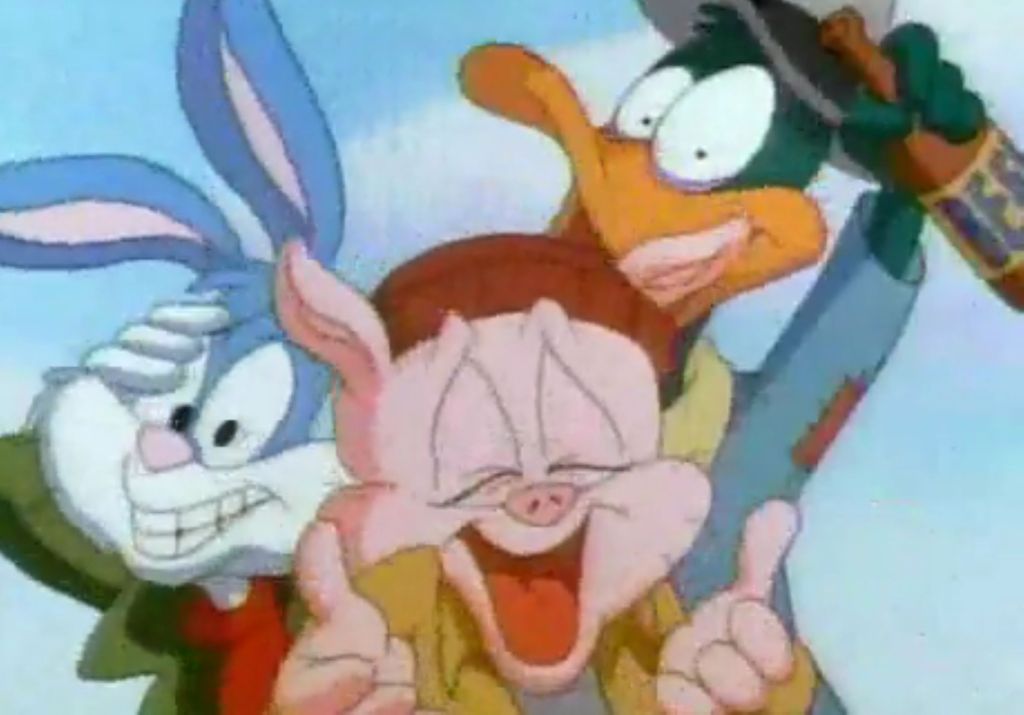
In a children’s TV landscape where educational and moralizing content was the standard, the Warner Bros of the 1990s— the home of both Tiny Toon Adventures and the infamously, eternally irreverent Animaniacs— chafed against the moral aspect (and, as most episodes of Animaniacs attest, against the strictly sanitized and censored nature of childrens’ cartoons in general). This comes through in “Elephant Issues”, the episode containing One Beer, as while each of the three shorts that comprise “Elephant Issues” does fit the technical definition of a PSA and/or Very Special Episode (with the first segment dealing with childhood illiteracy and television addiction, and the second with bigotry and bullying, both staying well within the show’s usual tone and style) the writers and animators clearly took the opportunity to play fast and loose with more mature subject material— and that is clearest by far in One Beer. The animation of the drunk toons is tacky and luridly gross, sparing no detail from seedy outfits to bloodshot eyes and even missing teeth, the dialogue throws in drinking terms that would obviously be unknown to the show’s target age demographic, and the jokes fly in the face of the intended seriousness of PSA episodes by being objectively hilarious.
It was this determined commitment to comedic animation, solid jokes and genre parody, even when covering what were ostensibly more serious topics, that would be the undoing of One Beer, and of “Elephant Issues” as a whole. Parents and censors alike, perhaps seeing the show’s refusal to abandon its inherent silliness while warning about the dangers of alcohol as a tacit endorsement of drunkenness, made sure that the whole episode was pulled from the air soon after its release, never again to appear on its home network.
However, even here the puritanical moral standards of 1980s-90s children’s animation could not stifle the power Warner Bros’ snark and parody forever, as “Elephant Issues”‘ official status as a banned cartoon— and One Beer‘s role as the segment at fault— only made the already-controversial episode all the more scandalous and irresistible to people of all ages— and for many generations to come— who are interested in a piece of once-lost, much-whispered-about, but yet still fairly accessible piece of old cartoon media that offers, within its belches, beers, and morals, a time capsule into the era of PSAs, D.A.R.E., and made-to-sell-toys children’s programming.
More TV Shows
-
Smallville S5 episode "Thirst", depicts Lana Lang as a vampire -

Courtesy of Amazon MGM Studios