There are certain genres that, especially on TV, can be pretty unforgiving. That’s because they demand strong writing and solid overall production to actually feel high-quality, interesting, and worth recommending. And sci-fi fits right into that category, because it lives and dies by concepts and elements that, above all, need to be placed into a story with consistency. You can have time travel, robots, an apocalypse, or dinosaurs on screen, but if the plot starts dragging, repeating the same conflicts, or making up new rules, audiences will notice, and everything can fall apart fast. Sci-fi requires planning, but a lot of shows just don’t have it.
Videos by ComicBook.com
And series that fail are some of the most frustrating cases in TV. They had everything they needed to become huge, but somewhere along the way, they completely lost the plot. Here, we’ve put together a list of some sci-fi examples that fit that exact situation. Can you remember them?
5) Terra Nova
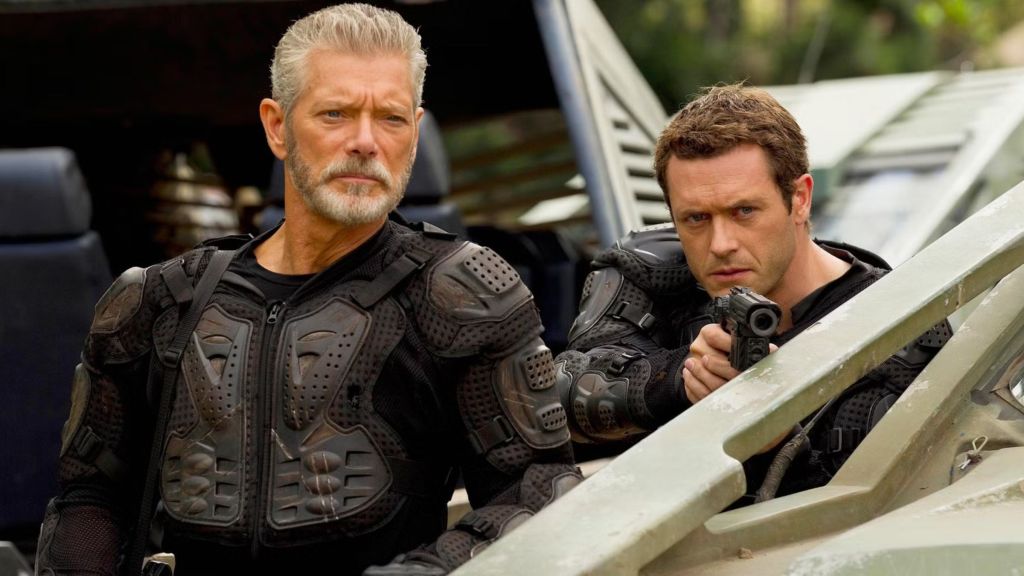
Few people even remember Terra Nova, considering it was canceled after just one season and never had strong ratings to begin with. But it’s hard to think of a sci-fi show that seemed so obviously built to succeed, because the concept is almost ridiculously marketable: the future is destroyed, so humanity sends people back in time to colonize Earth during the age of dinosaurs. Basically, it’s time travel mixed with a dystopian setup and a Jurassic Park-style vibe for TV. And the show does feel big, especially when you realize how much money was poured into it. Still, it doesn’t take long to reveal that it had no idea what to do with its own premise.
The biggest sin Terra Nova committed was being a big production with a small, underwhelming script. The series leans into generic drama and conflict as if it’s afraid of going too deep into sci-fi. And that’s where the frustration kicks in: the dinosaurs show up, but they never become an essential part of the story. And the time travel element is there, but the mythology never really takes off. It’s a world that should’ve been fascinating, yet it ends up feeling bland overall. The whole time, the story feels like it’s about to get good, and it just never does. Maybe they were just putting everything off until the next season, but is that really a good idea?
4) Manifest
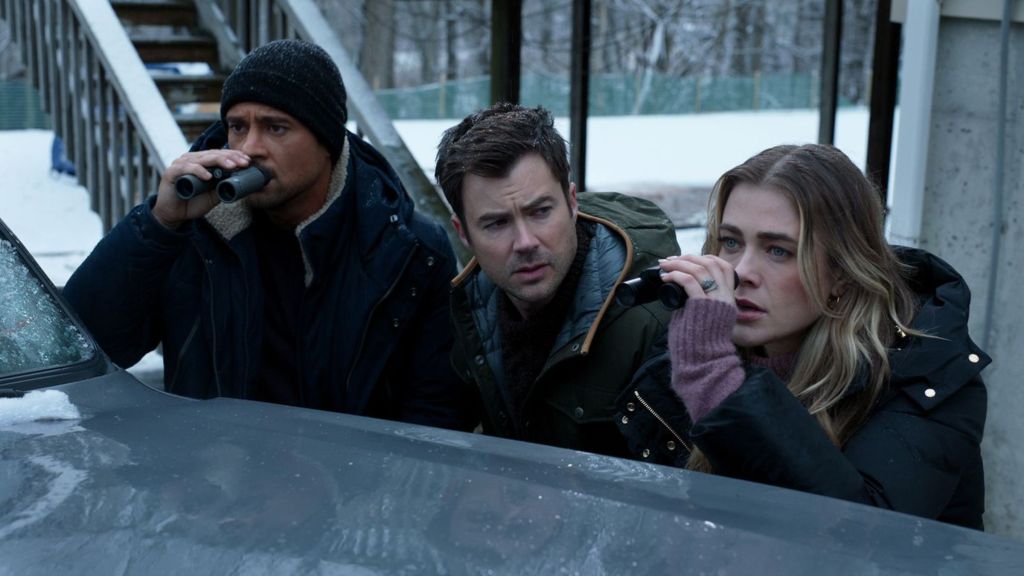
It’s basically impossible not to have heard of Manifest, especially if you’re into sci-fi and mystery. And if there’s one show with a great pilot episode, it’s this one. The story starts with a plane that disappears and then returns years later, and the passengers realize the world moved on without them — and worse, they start experiencing unexplained visions. The idea pretty much does all the heavy lifting on its own, right? It instantly makes the audience want answers: what happened, who caused it, is it science, is it religion, or is the government involved somehow? The show sets up a mystery with real potential to become the next Lost. And then the problems start showing up.
The biggest issue is that the production never seems sure of what it actually wants to be. Instead of narrowing down the mystery, Manifest just keeps stacking layer after layer, like the goal is always to delay the truth for as long as possible. And when answers finally start coming, a lot of them feel more convenient than satisfying. Plus, it falls into a repetitive loop: a vision happens, someone panics, everyone chases a clue, and it ends with a reveal that only leads to another question. It’s easy to get hooked on that kind of storytelling, but it’s also easy to get annoyed by it. The writing spends over 60 episodes running in circles.
3) Revolution
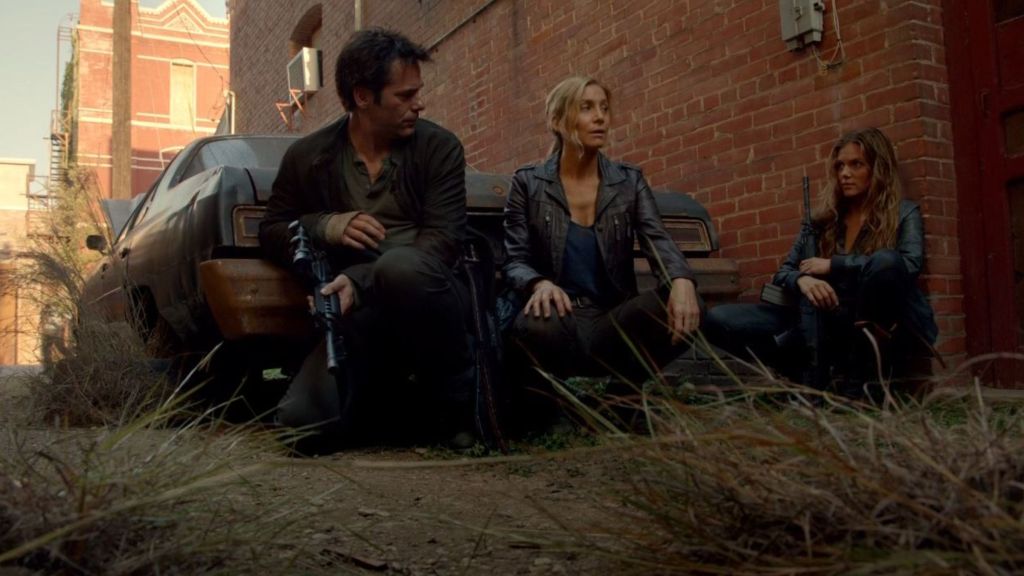
The idea behind Revolution is so good, it’s annoying that it didn’t work. It takes place in a world where all electricity suddenly stops functioning, and humanity is thrown straight back to square one: no internet, no properly working weapons, no hospitals, and no infrastructure. The story follows a young woman trying to find her missing brother while militias and rival factions take control of what’s left of the United States. And if this premise had been handled with real seriousness, it could’ve become one of the best dystopian shows on TV. The problem is that it messes up the most basic, unforgivable thing.
Revolution often feels like it isn’t even interested in its own world. It could’ve been fascinating to explore what life would realistically look like on a planet without power, but the show doesn’t seem to care, choosing instead to play out like a fairly generic action drama with villains and situations you’ve seen a hundred times before. And to make things worse, it doesn’t build characters strong enough to make up for those weaknesses. Besides, the plot moves along, but it never truly hooks you, and it can get confusing. It just feels like the whole thing was written with laziness.
2) Heroes

Back in the 2000s, Heroes was everything people had always wanted in TV form. The first season was a hit: ordinary people discovering powers, storylines colliding, and suspense that kept building episode after episode. The show follows several characters scattered across the world, like an indestructible cheerleader, a guy who can fly, an artist who paints the future, and a politician hiding secrets — all of them tied to one big event. It was sci-fi with pure comic book energy. But it also became the ultimate example of how to ruin something that was once nearly perfect, thanks to a total creative collapse.
The writers’ strike happened during its run and obviously affected production, but you almost wish that were the only reason. Heroes completely lost track of what actually worked and started contradicting itself, with characters getting stuck in the same arcs and the story relying on powers and plot twists as a crutch instead of letting them feel earned. Basically, everyone started getting “reset” over and over, as if that counted as development. And the most frustrating part is that you can literally see the show trying to get its magic back, but the harder it tries, the messier everything becomes.
1) Westworld
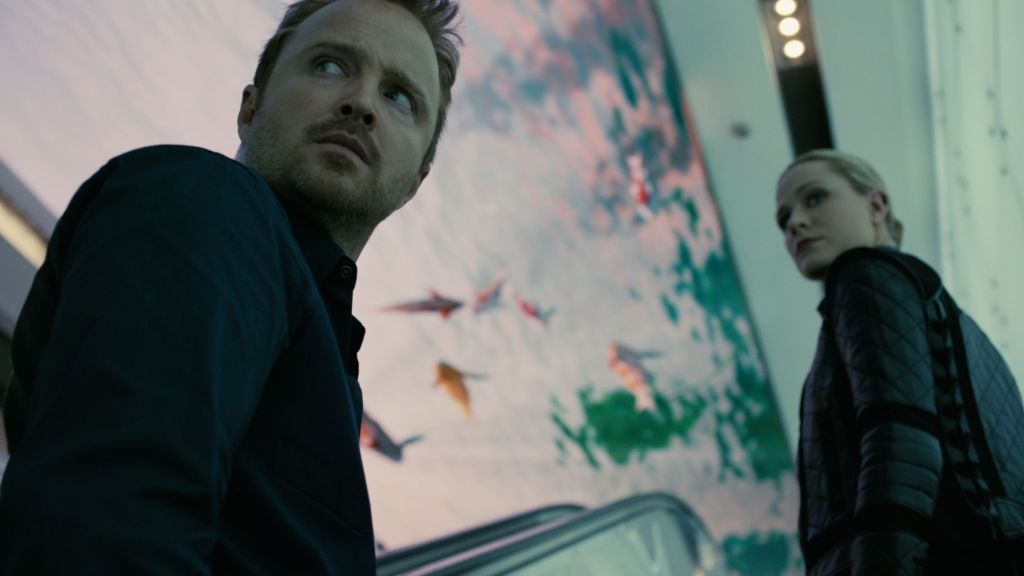
Fantasy TV hit its peak with Game of Thrones, and when Westworld arrived, everyone assumed the same thing was about to happen for sci-fi. The show centers on a futuristic theme park where wealthy guests pay to live out violent Wild West fantasies, interacting with androids — until those androids start waking up and realizing they’re trapped in an endless loop of suffering. It’s high-level genre storytelling, full of big ideas, fascinating characters, and a mystery that really rewards anyone willing to dive in and pay attention. And since this was HBO we’re talking about, the potential was massive.
But then the tragedy hits: the show starts confusing complexity with quality, and it feels like it becomes more interested in outsmarting the audience than actually telling a great story. Instead of pulling you in emotionally, Westworld turns into a puzzle you’re basically forced to solve out of obligation. The mythology keeps expanding, but it only gets messier and harder to care about. And once the park stops being the main setting and everything shifts into a futuristic sci-fi about revolution and systems, the show loses its charm. It’s not like it suddenly became bad overnight, but it just drifted further and further away from what made it special.
What do you think? Leave a comment below and join the conversation now in the ComicBook Forum!
More TV Shows
-
Image Courtesy of Lucasfilm -

Image courtesy of Syfy -
Image Courtesy of Marvel -

Image courtesy of Prime Video -

Image courtesy of Prime Video