The entertainment industry has always relied on nostalgia as a foundational pillar for its financial strategy. For major film and television producers, the decision to revive a dormant property often mitigates risk by tapping into an established fan base of brand loyalty, which usually works as audiences are frequently drawn to familiar narratives that offer a sense of continuity. In 2026 alone, Peacock turned the classic dark comedy movie The ‘Burbs into a TV show, while two of the best 2000s sitcoms, Malcolm in the Middle and Scrubs, are getting new seasons. Even Buffy the Vampire Slayer is developing a sequel focused on a new generation of hunters being trained by Sarah Michelle Gellar.
Videos by ComicBook.com
However, the proliferation of reboots and revivals sometimes leads to cynical cash grabs that ignore what made the original production so good. Many revivals also fail to justify their existence because they lack the thematic relevance that helped a TV show become culturally significant. Despite this trend, the 2020s have produced a select group of television revivals that successfully avoid these pitfalls by honoring the legacy of their predecessors while modernizing their narrative frameworks.
7) iCarly

The Paramount+ revival of iCarly distinguishes itself by effectively transitioning from a juvenile Nickelodeon sitcom into a more mature format designed for the original audience that has since aged into adulthood. Rather than attempting to replicate the slapstick energy of the 2007 original, the new series follows Carly Shay (Miranda Cosgrove), Freddie Benson (Nathan Kress), and Spencer Shay (Jerry Trainor) as they navigate the complexities of their twenties. This tonal pivot allows the show to address themes of career anxiety, digital burnout, and interpersonal relationships with a level of sincerity that was impossible in a children’s program. Plus, by acknowledging the evolution of the internet and the shifting nature of influencer culture, the revival remains relevant to the modern era without losing the eccentric charm that defined the original Shay household.
6) Animaniacs
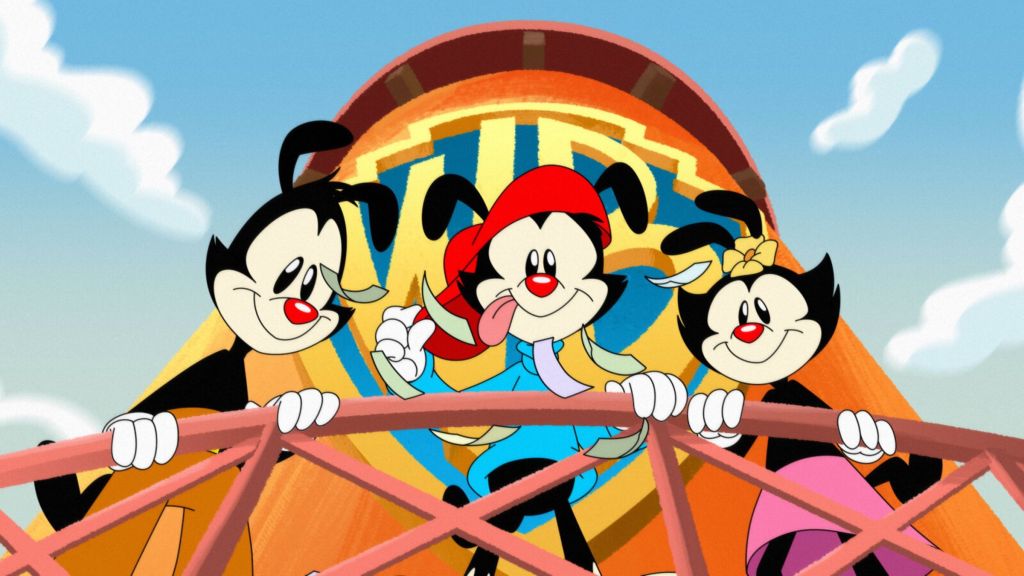
When Hulu brought Animaniacs back to the screen in 2020, the production faced the difficult task of updating a satire-heavy cartoon for a hyper-polarized digital age. The revival succeeded by doubling down on the meta-commentary that made the original 1990s run a staple of comedic animation, frequently mocking the very concept of a corporate-ordered reboot. Yakko (voiced by Rob Paulsen), Wakko (voiced by Jess Harnell), and Dot (voiced by Tress MacNeille) remain as “zany” as ever, providing a fast-paced critique of contemporary politics, social media trends, and industry tropes. This sharp wit is supported by a return to high-quality orchestral scoring and fluid animation that honors the Amblin Television legacy. Furthermore, the inclusion of Pinky and the Brain segments ensures that the show maintains its structural rhythm, using the laboratory mice to explore more elaborate, high-concept parodies.
5) Fraggle Rock: Back to the Rock
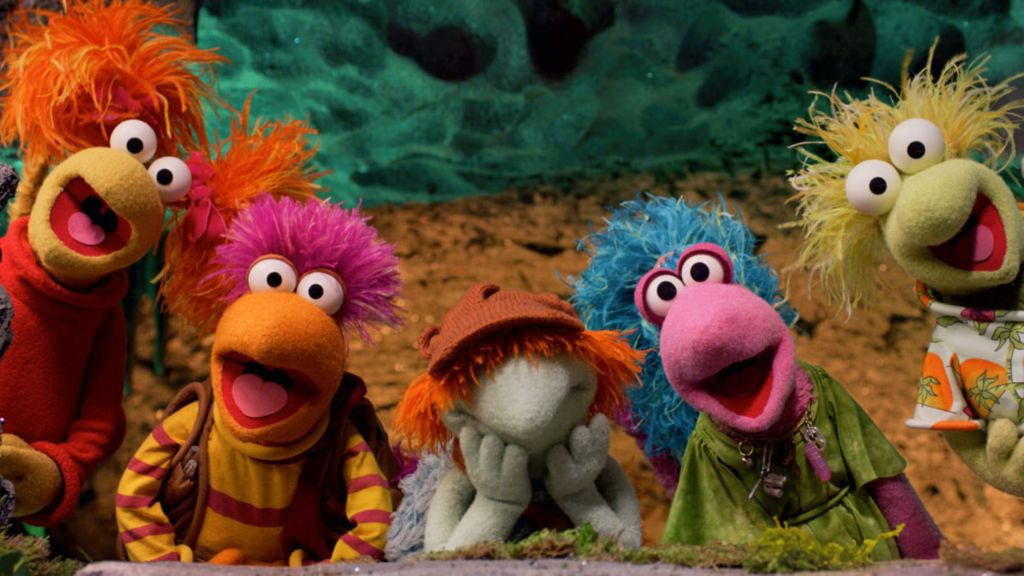
Fraggle Rock: Back to the Rock represents a triumph of practical effects and commitment to the philosophical roots established by Jim Henson. The Apple TV series utilizes tactile puppetry and elaborate set design to recreate the subterranean world of the Fraggles, avoiding the clinical feel that often accompanies modern digital reboots. By bringing back original performers and creators, the production ensures that Gobo (John Tartaglia) and his friends retain their distinct personalities and musical energy. This fidelity to the source material allows the show to explore its core themes of environmental interconnectedness and peaceful coexistence with renewed vigor. The 2020s revival also incorporates more sophisticated serialized story arcs, such as the windstorms that threaten the cavern, which adds a layer of narrative urgency to the episodic adventures.
4) Adventure Time: Distant Lands
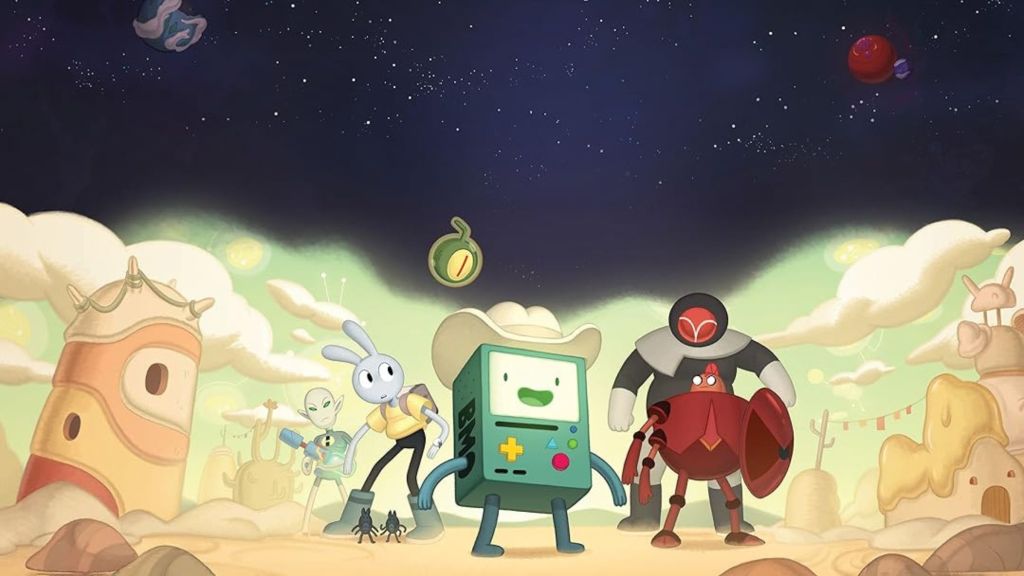
The release of Adventure Time: Distant Lands on HBO Max provided a poignant expansion of a universe that had already redefined modern animation. Comprised of four hour-long specials, this revival utilized an anthology format to explore specific character arcs that remained unresolved following the Adventure Time series finale. The standout episode, “Together Again,” serves as a definitive conclusion for Finn (voiced by Jeremy Shada) and Jake (voiced by John DiMaggio), navigating the metaphysical boundaries of life and memory in a way that resonated deeply with the long-term fanbase. Other segments, such as the space-faring odyssey of BMO (voiced by Niki Yang), utilized the increased runtime to build elaborate new civilizations and deeper lore without sacrificing the show’s signature “low-fi” charm. This structural flexibility allowed the creators to experiment with different tones, ranging from cosmic horror to intimate romance.
3) Futurama
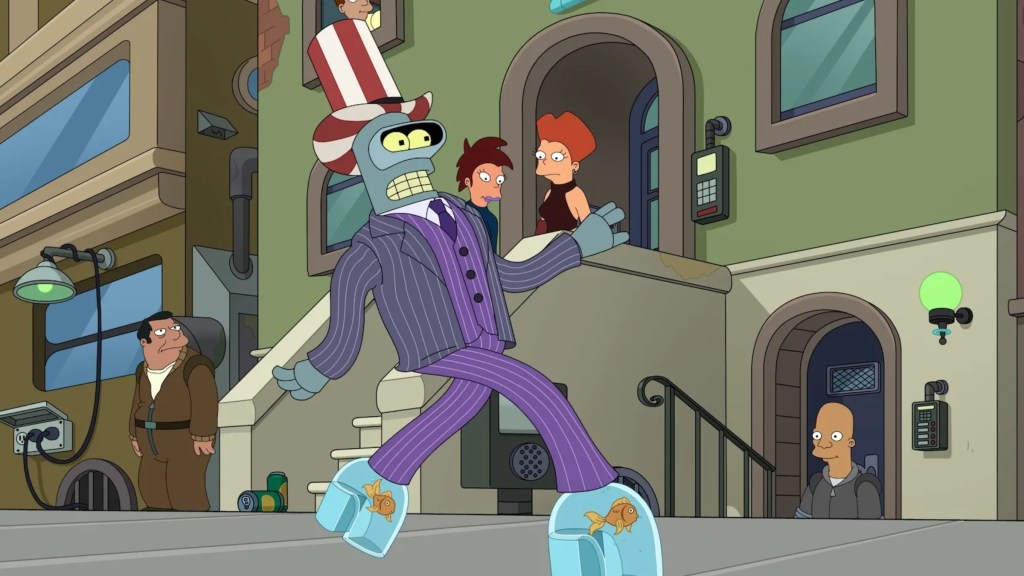
Futurama has experienced multiple cancellations and resurrections throughout its history, yet the Hulu revival that began in 2023 demonstrates a remarkable level of character consistency and comedic timing. The show manages to reintegrate Philip J. Fry (voiced by Billy West) and the Planet Express crew into a 31st-century setting that has been updated to reflect current technological anxieties, such as the rise of generative AI and cryptocurrency. This adaptation is handled with the same cynical, scientifically literate humor of the original Matt Groening and David X. Cohen collaboration. The return of the original voice cast also ensures that the chemistry between the characters feels authentic, preventing the revival from falling into the “uncanny valley” of many long-delayed sequels.
2) Star Wars: The Clone Wars
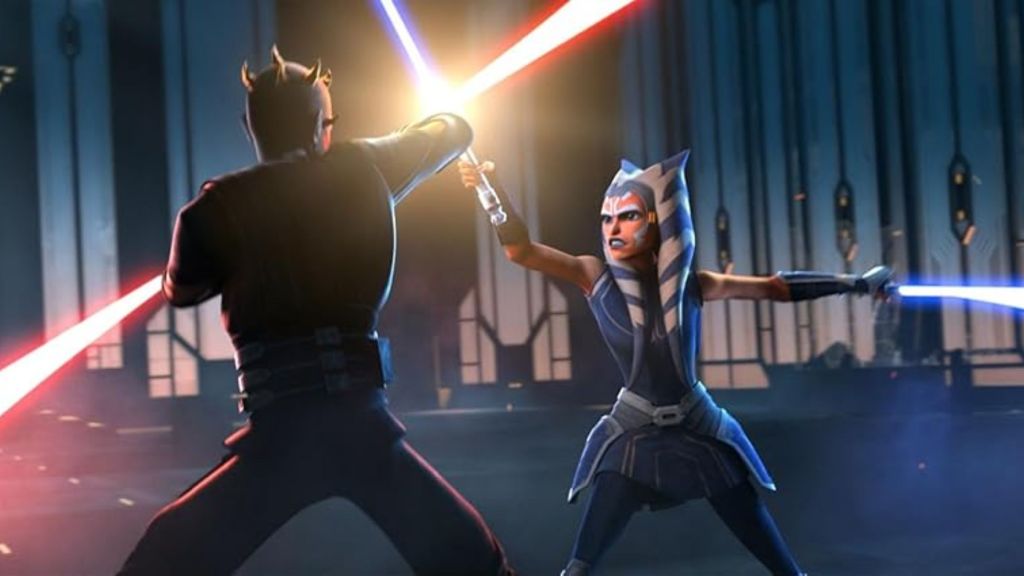
The final season of Star Wars: The Clone Wars stands as a monumental achievement in the franchise’s history, providing a definitive link between the animated series and the events of Revenge of the Sith. Released in 2020 after a six-year hiatus, this revival allowed showrunner Dave Filoni to complete his original vision for the Siege of Mandalore arc, which remains some of the most critically acclaimed content in the entire saga. The narrative focuses on Ahsoka Tano (voiced by Ashley Eckstein) as she navigates the collapse of the Jedi Order and her final confrontation with Maul (voiced by Sam Witwer). This revival also established the foundational lore for subsequent hits like The Mandalorian and Ahsoka. Finally, by delivering a somber and high-stakes conclusion to the galactic conflict, Star Wars: The Clone Wars cemented its status as an essential pillar of the modern Star Wars canon.
1) X-Men ’97
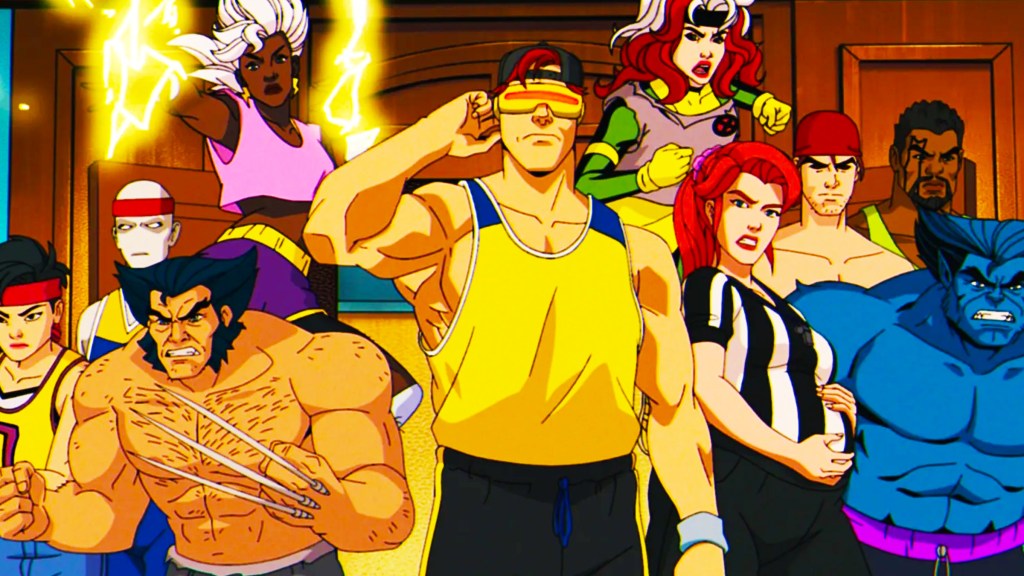
Standing at the absolute summit of recent revivals, X-Men ’97 serves as a definitive example of how to continue a beloved property with both reverence and narrative maturity. The series picks up precisely where the 1992 animated classic ended, utilizing a modernized version of the original “gritty” aesthetic to explore the fallout of Charles Xavier’s departure. Led by Cyclops (voiced by Ray Chase) and Magneto (voiced by Matthew Waterson), the show bypasses standard superhero tropes to examine complex themes of political radicalization, societal prejudice, and the burden of legacy. The narrative weight is supported by a massive uptick in animation quality, providing kinetic action sequences that far surpass the technical limitations of the 1990s. With a second season scheduled for 2026, X-Men ’97 has not only revived a classic brand but has also elevated the standard for what a serialized superhero story can achieve in any medium.
Which classic TV show revival from the 2020s do you believe most successfully captured the spirit of the original? Leave a comment below and join the conversation now in the ComicBook Forum!
Most Viewed
-
Image Courtesy of Netflix -

Courtesy of ENGI / Kadokawa / Sentai Filmworks -
Image Courtesy of Studio Bones