The Harry Potter movies made a tremendous impact on global culture and achieved immense success. For more than a decade, the films brought the wizarding world to audiences around the globe, turning everything from Hogwarts to spells like “Wingardium Leviosa” into pieces of a shared cultural vocabulary. But as beloved as the movies are, none of them are perfect. Now that HBO has rebooted the Harry Potter series, there’s an opportunity to fix the weaknesses of the original movies and foster even more fandom.
Videos by ComicBook.com
The HBO series has one major advantage: time. Even though the original films spanned more than a decade, a one-season-per-book format gives the reboot room to restore material the movies had to cut. The series also has an opportunity to reconsider creative changes the films made—some successful, others more questionable. If HBO wants its Harry Potter adaptation to improve on the movies, it needs to learn from five particular mistakes.
5. Don’t Cut the Character Development That Makes the Story Work
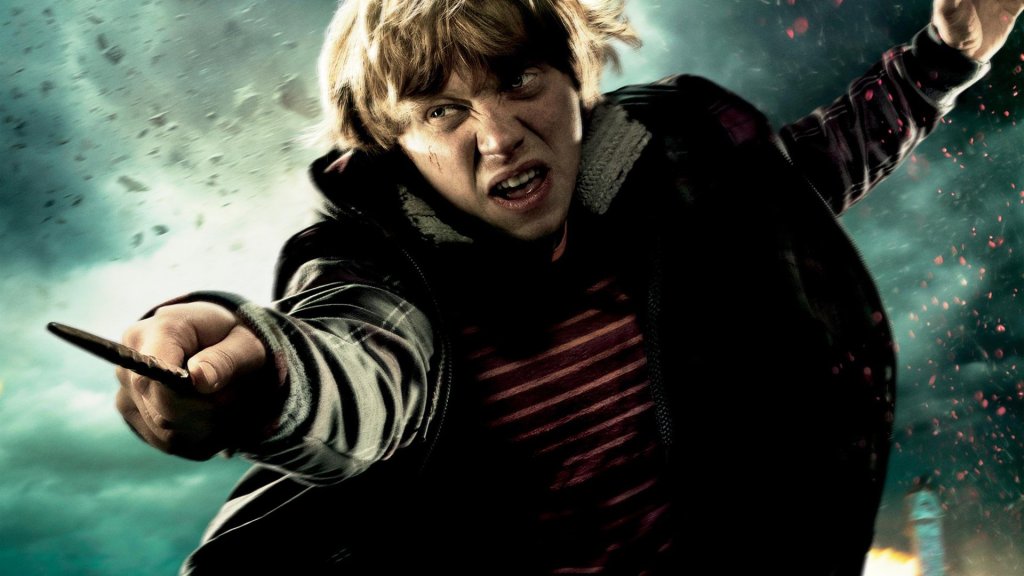
The biggest gripe many had with the later Harry Potter movies is how they emphasized major plot elements over smaller character moments. As the films become increasingly focused on advancing the plot, charming moments of humor, vulnerability and friendship get pushed aside. Yet those dismissed scenes are what make the characters feel fully realized. The HBO series doesn’t need to reproduce every line from the books, but it does need to preserve the magic of those scenes.
Ron is perhaps the clearest example. In the books, he is clever, emotionally complicated and essential to the trio’s victories. The films often reduced his contributions or gave them to Hermione instead. The result is a trio that can feel less balanced than it did in the novels. Ginny suffers even more from the compression. Her personality and confidence develop over several years in the books, but the films give her comparatively little character or relationship development before pairing her romantically with Harry. This made the romance feel more forced than naturally earned.
The HBO series has the advantage of letting these relationships develop gradually. Ron and Hermione’s evolving dynamic, Harry and Ginny’s romance, and Neville’s growth all benefit from moments that never had a chance to shine on the big screen. The goal should be to understand why those scenes matter and give the Harry Potter show’s character arcs the time and space they need to develop fully.
4. Let Hogwarts Actually Feel Like Hogwarts Again
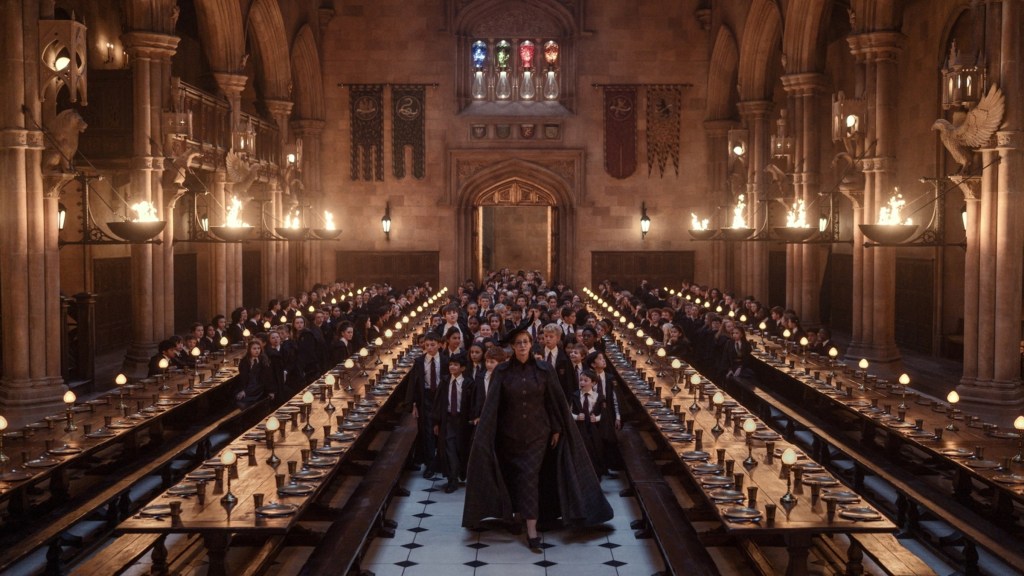
Another major weakness of the movies is how they eventually forget one of the critical things that made Harry Potter so immersive in the first place: Hogwarts is a living world. The early films make time for classes, friendships, rivalries, Quidditch, school traditions, and the like. There are countless strange little details that make the magical school feel like somewhere people actually live. But as the movies become darker, it feels like Hogwarts is merely the backdrop for whatever major plot event comes next.
The immersion that comes from Hogwarts itself is one of the reasons fans enjoy the story. The HBO series has the room to make each class and school year feel more meaningful, rather than treating it like some detention room for the characters to graduate to the next plotline. This is crucial in the early seasons, when the books tell school stories as they build up into fantasy adventures. Seeing Harry attend lessons, take exams, visit Hogsmeade, and spend Christmas at school gives audiences a world they can imagine themselves in. And it helps establish what there is to lose when that world is threatened.
The show also shouldn’t shy away from episodes or sequences whose main purpose is simply letting viewers live in the Wizarding World. Who wouldn’t want a “slice-of-Hogwarts-life” pie? House rivalries, classroom disasters, and everyday magical nonsense may not always advance the central plot, but they make Hogwarts feel more real. Sometimes, the best way to make the big moments matter is to give audiences time to experience the ordinary ones first.
3. Don’t Downplay the Moral Complexity of the Wizarding World

The Harry Potter story was always more than just Harry’s final battle against Voldemort. The books tackled complex issues like prejudice, blood purity, institutional failure, and the consequences of war. Going one step deeper, the books also explored the flaws of the characters we were supposed to admire. Some of those elements inevitably get lost when a lengthy novel is condensed into a movie, and that can make the conflict feel more straightforward than it really is.
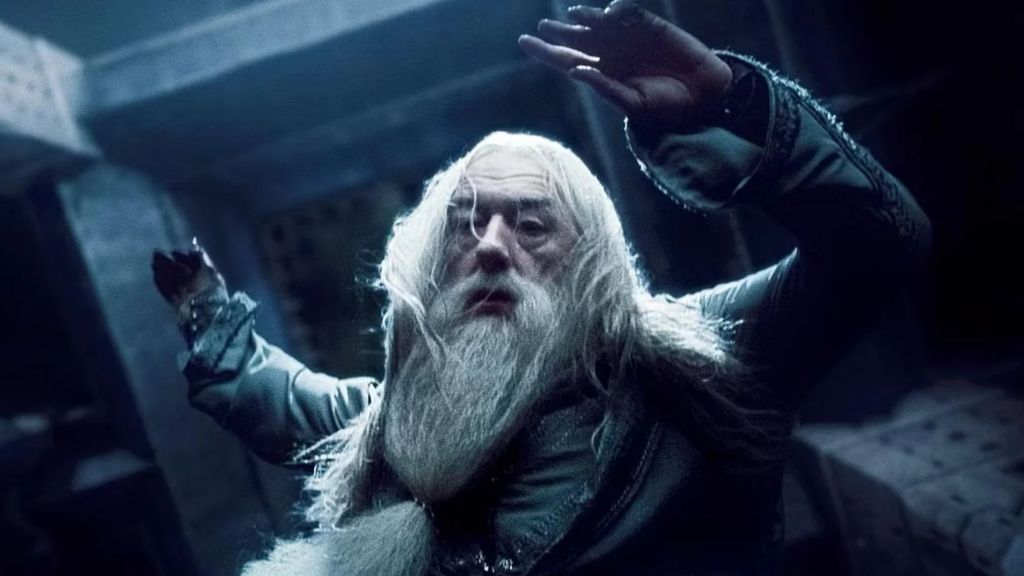
Zooming in on Dumbledore gives a strong example of this weakness. The books gradually reveal that the Headmaster of Hogwarts is not just a wise, benevolent guide. Underneath it all, he’s someone with secrets, ambitions, and a willingness to manipulate Harry for what he believes is the greater good. These aspects shape him into an even more fascinating and memorable character. At times, the films seem to struggle to sit with that kind of discomfort. Snape faces a similar problem: his story can easily become a romantic tragedy about a misunderstood hero, when the books leave us with a much messier picture of a deeply complicated man.
The HBO series should absolutely dig into the details. The new series should let contradictions resonate, rather than waving them away in favor of a simpler narrative. Not every important character needs to be perfect, and not every moral question needs a quick answer. If the wizarding world remained uncomfortable, unfair, and morally tangled, it would feel more relatable—and more faithful to what made the books endure.
2. Stop Zipping to the Climaxes
Ever notice how the movies spend enormous amounts of time building toward a major event, only to rush through the emotional payoff? Take Harry and Voldemort’s final confrontation in Deathly Hallows – Part 2. In the book, their final encounter is multi-dimensional: Harry explains what has happened, exposes Voldemort’s mistakes, and makes it very clear why the Dark Lord has already been defeated. Spoiler alert: it isn’t simply the result of an epic duel. It has more to do with the story’s rules surrounding the Elder Wand, sacrifice, loyalty and Harry’s choices.
In the final movie, Harry and Voldemort chase and grapple each other through Hogwarts before finally confronting one another with almost no one watching. In the book, the final confrontation happens in the Great Hall, with many people present. Harry and Voldemort circle each other and argue in front of the surviving defenders, Death Eaters, and other witnesses before the final exchange. The destruction of the Elder Wand also ties into the ending with major symbolism and themes. In the book, Harry takes the time to return the wand to Dumbledore’s tomb, declaring his rejection of the power it represents. But in the movie, Harry snaps the wand in half and throws it away. That may be visually satisfying but arguably it’s less meaningful overall.
This weakness appears throughout the movies. Major revelations and emotional turning points often become spectacles first and meaningful resolutions second. The HBO series has the opportunity to one-up the movies in this regard. Whenever the story reaches a monumental moment, it has spent an entire season—or several seasons—building toward, it should give the characters and audience the time to understand its significance and true meaning.
1. Trust the Magical Weirdness of Harry Potter
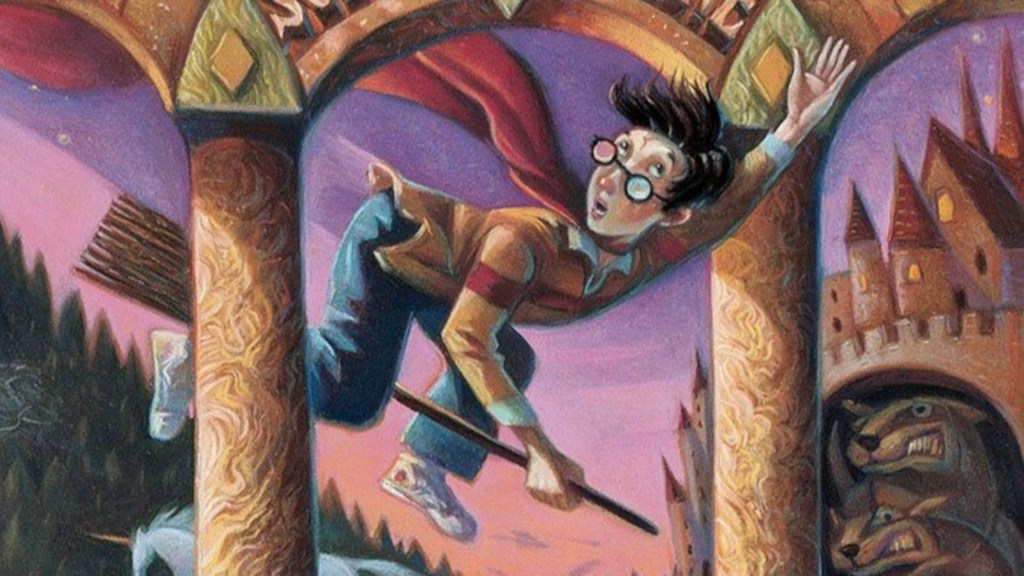
The problem isn’t that the Harry Potter films became darker. It’s that, as they became darker, they also became more naturalistic. That shift can come at the expense of the story’s quirky and whimsical qualities. There’s no reason why things can’t be dark and scary one moment and completely silly the next. There can definitely be a mix of childish wonder and adult cruelty. The audience should be allowed to experience a mix of emotions that are sentimental, bizarre, and hilarious. But the later films increasingly settled into a more serious visual and emotional tone. This might make the story feel darker and heavier, but it can also make the Wizarding World feel less magical.
The HBO series shouldn’t take itself too seriously and there’s nothing wrong with being “too silly.” Everything from eccentric teachers to bizarre magical creatures, the Ministry’s absurd culture and Fred and George’s increasingly ridiculous schemes all have their place. So do those moments of teenage awkwardness and humor. These details might not seem essential to the main plot, but they enhance the personality of the world—and give the characters room to feel like people the audience wants to be around and get to know more about.
Having a tonal contrast can also heighten each extreme in more powerful ways. A frightening scene can be more effective when it interrupts a joyful and ridiculous scene. A death can be more tragic when the audience has watched these characters laugh, celebrate and behave like ordinary children. The Harry Potter books walk a fine line, allowing darkness to exist alongside silliness rather than letting the silliness completely disappear when the story gets more serious. The reboot should trust that magical balance and roll with it. And hopefully, any footage or trailers from the Harry Potter HBO series will hint at that.
While waiting for the HBO reboot, all 8 Harry Potter movies have a new cable home to stream them from. After that refresher course, it’ll make more sense why HBO’s goal should be to capture the essence of the books while giving their world more room to breathe. It doesn’t have to be page-by-page perfect. But bring back the details, the humor, the weirdness, and the sense of magic that made the original series so beloved. If HBO can do that while telling the story through the best audiovisual elements the medium has to offer, it won’t just be a more faithful adaptation. It’ll be a better one. Now that would be one powerful spell.
More TV Shows
-

Image courtesy of Cartoon Network -
Image Courtesy of ABC Networks