For this year, there are plenty of highly anticipated films. And when it comes to sci-fi, Dune: Part Three is the one getting audiences most excited, especially with the first trailer already out. The movie marks the conclusion of one of the most epic sagas ever brought to the big screen under the direction of Denis Villeneuve. And for those who don’t know, this is a story that was long considered too complex to adapt, which is exactly why the director had to make a few changes here and there (though that also comes down to his own creative freedom). And so, I’ll stress here that not everything we see in the franchise is actually 100% faithful to Frank Herbert’s original work.
Videos by ComicBook.com
The core of the story is still there, aiming to explore the danger of messianism, fanaticism, and the rise of a leader who, even if well-intentioned, has every reason to fall hard later on. Paul Atreides’ (Timothée Chalamet) journey is not one of glory — quite the opposite. And when he chooses to accept his destiny, even if it looks like he has an army behind him, he is also putting himself in a position where people could turn dangerously against him. And it would be a mistake to think this is obvious just because of villains like the expected Scytale (Robert Pattinson). If you take everything this story has been building since the first film into account, there’s a pretty unexpected suggestion for how Paul’s arc could end.
Chani May Kill Paul in Dune: Part Three

I’ll get straight to the point: think back on all the moments (even the smallest ones) that Dune and Dune: Part Two have built so far, and I challenge you not to find it at least somewhat possible that Chani (Zendaya) could kill Paul in the third movie. Is it a wild theory? Absolutely, especially since it doesn’t happen in the books, and if there’s anyone we see Paul truly being who he is and who he genuinely wants to be, it’s when he’s with Chani. However, as we already know, changes were made in Villeneuve’s cinematic version. Of course, that alone isn’t enough to assume the director planned such a shocking conclusion from the beginning. But on the other hand, it actually makes a lot of sense.
If you break the story down so far, Paul becomes the leader of the Fremen, embraces a messianic role he knows will lead to destruction, and basically puts the universe on a collision course, right? In Dune: Part Two, this is shown in full force. However, Chani doesn’t buy into that narrative, and at several points we see how uncomfortable she is with this new version of Paul — it’s no coincidence that the film ends with her walking away, furious about what has happened. And while that might look like a simple romantic subplot where everything will eventually be fixed in Dune: Part Three and they’ll end up together and have children, it actually goes far beyond that. From that moment on, their arc is no longer about allies fighting together; it becomes about two completely incompatible worldviews.

But if that’s still not enough to convince you (fair enough), let’s break it down: In Dune, before Paul meets Chani, he dreams and has visions of her. Naturally, his prescience shows him paths that may or may not happen, or are misinterpreted altogether. Because these are fragmented visions, there’s no clear linear logic to follow them. For example, there’s his fight with the Fremen Jamis (Babs Olusanmokun), where Paul defeats him in a duel and kills him, even though he previously saw Jamis becoming his friend rather than the situation escalating into violence. And so I ask you: do you remember that in one of those visions, Chani holds a crysknife and kills Paul while kissing him?
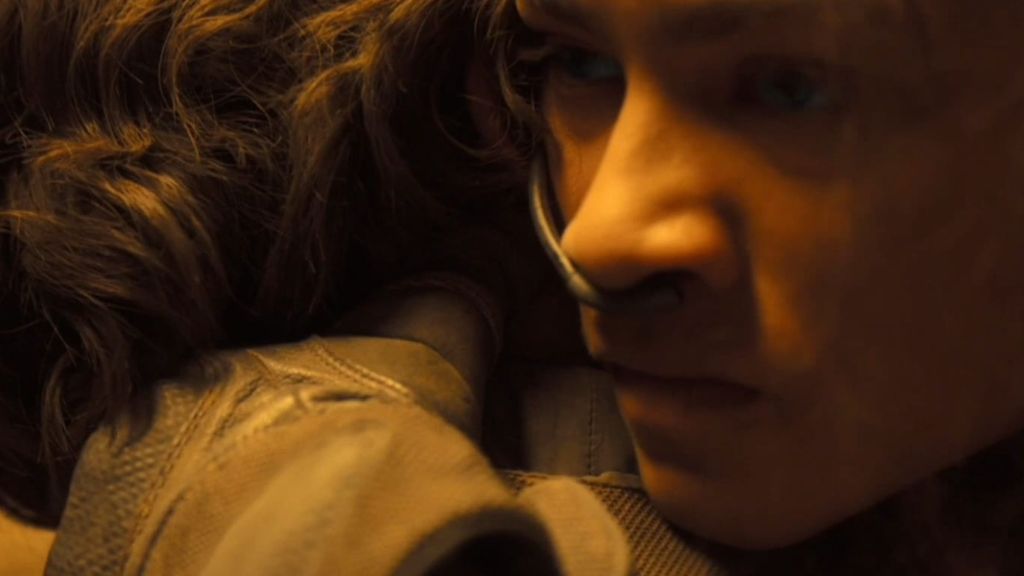
On top of that, it’s worth noting that Villeneuve chose to give Chani a much larger role, since in the books she doesn’t have as much prominence and tends to be more integrated into Paul’s path as Muad’Dib, even accepting his role within the Fremen structure and destiny. In narrative terms, she is more of an emotional center for the protagonist than a force of rupture. In the film franchise, it’s the opposite: she becomes a counterpoint to Paul. Powerful, confident, autonomous, and determined not to follow his transformation, she actively resists it. That completely changes their dynamic. Because of this, Chani is positioned, at several points, as someone who could interrupt his journey.
To reinforce this theory, it’s also important to remember that Villeneuve has made it very clear that his adaptation of Dune was never really about Paul’s rise, but about its cost. So his beloved would be one of the most direct ways to show that cost on a personal level. However, if I still haven’t convinced you, we can go even deeper.
Why This Theory Might Actually Be True
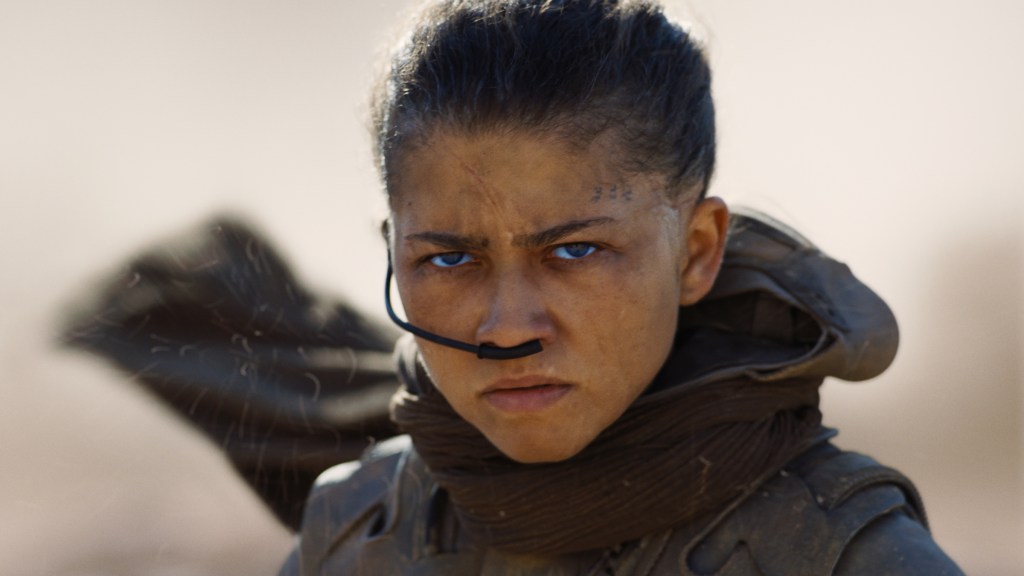
As clearly seen in promotional materials and the trailer, Dune: Part Three will slightly shift away from the tone of the previous two movies to focus on Paul’s downfall. According to Villeneuve in a Warner Bros. event interview, even though this is a sci-fi saga, the new film will lean more toward a thriller, with much higher tension. So don’t expect as much ideology, expect more action. Now I invite you to connect that with the fact that the director has also repeatedly stated that the third part of his adaptation is, in his own words, inspired by the second book, Dune Messiah. In other words, don’t expect a direct adaptation either.
To add more information supporting this theory, Villeneuve also made it clear that Dune: Part Three is still about the couple’s relationship. “Because it tells the story, it’s about the story of Paul and Chani, them struggling with their relationship, having the burden and incredible pressure from the world around them, and Paul having to find a way out of the cycle of violence,” he said. “And there’s something about the way their love endures time and the way their relationship evolves, that study on the relationship of both characters, that is very personal to me,” he added. (via Slash Film)
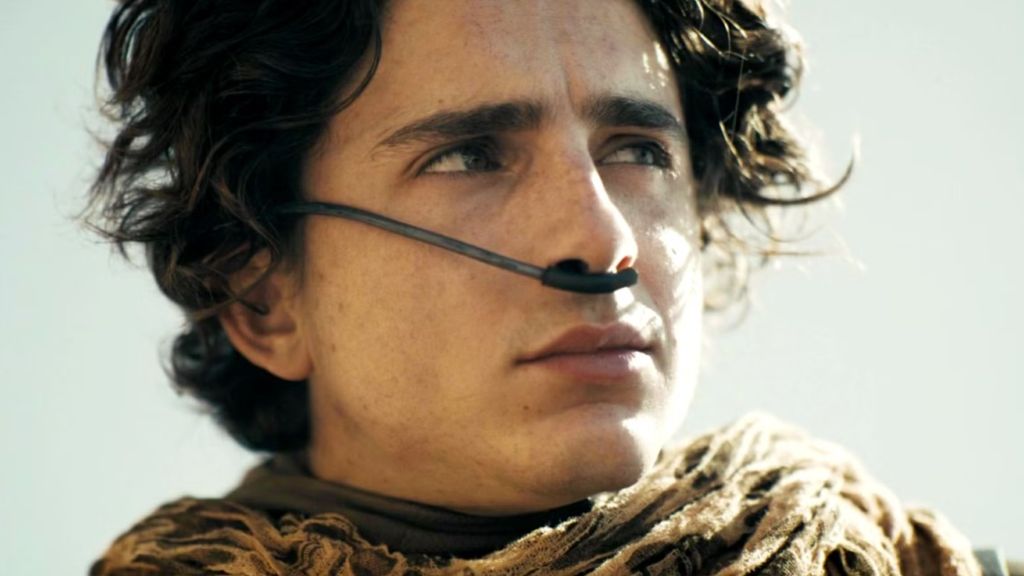
From the beginning, everything surrounding Paul’s future is filled with violence, war, and consequences. He knows this because he sees it, and yet he still moves forward. So this is not a journey of rise and triumph, but a conscious fall. And because of that, when I think about the possibility of someone stopping this cycle, it makes sense that it would be someone close; someone who doesn’t believe in the myth; someone who has seen who he was before all of this and truly knows him. Basically, what I’m saying is that if it happens, Chani wouldn’t kill him out of shock or betrayal, but as a choice, which is far more interesting.
So what convinces me isn’t the shock factor, but the consistency so far. Dune: Part Three has already been described as a darker, more political story focused on consequences. And few things would align more with that than turning the story’s central relationship into its final breaking point. There are hints within the story and outside of it, considering the director’s own words. And of course, I’m not saying that, as a fan, it’s something I would love to watch. But honestly, looking at it from a broader perspective, this twist makes a lot of sense.
Dune: Part Three hits theaters on December 18.
What do you think? Leave a comment below and join the conversation now in the ComicBook Forum!
Most Viewed
-
Image Courtesy of Toei Animation -
Image Courtesy of Ufotable