For many years, the superhero genre belonged to cinema, and whenever the idea was brought to TV, it usually turned into a secondary product: low-budget, episodic, and designed more to fill programming slots than to tell a meaningful story. It was almost always trapped in rigid formulas, with characters that lacked complexity and felt more superficial and flat than anything else, alongside a clear lack of ambition in the writing. But gradually, that started to change when a new wave of shows decided to do the opposite of what was expected: take these universes seriously, invest in long-form storytelling, human conflict, and grounded themes. It wasn’t an overnight shift, but when it happened, the impact was undeniable — and it led to several shows making history.
Videos by ComicBook.com
Many of these series aren’t necessarily perfect, nor are they consistently great from start to finish. Still, there’s no denying the mark they left on the genre, to the point where they’re remembered to this day for what they accomplished. Their influence can be felt. With that in mind, this list highlights 7 superhero TV shows that completely changed the game for the genre.
7) Daredevil
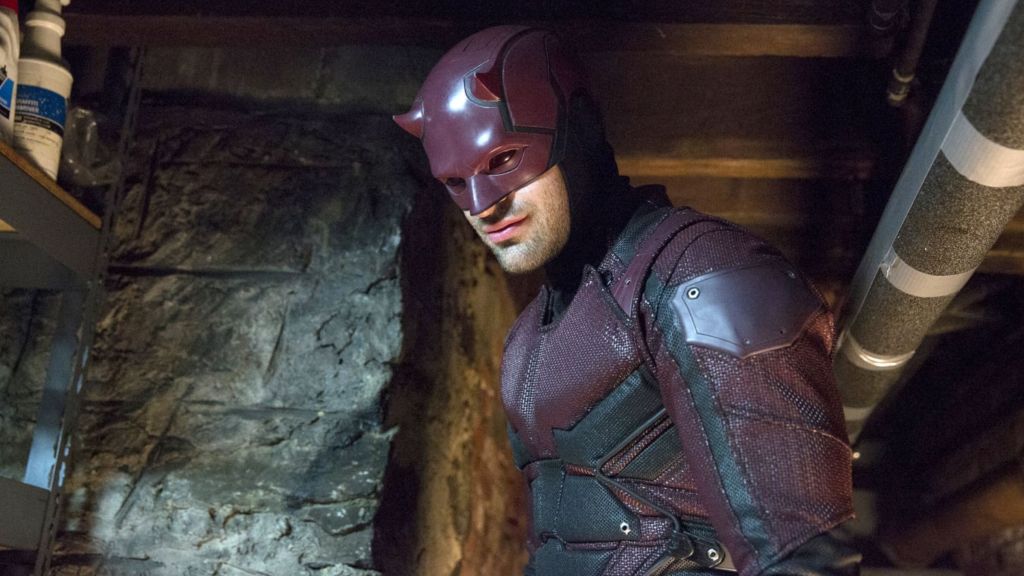
Over the years, the genre produced countless shows. Still, when Daredevil premiered, it was immediately clear that this wouldn’t be just another Marvel series — and definitely not one that would be sidelined the way Agents of S.H.I.E.L.D. and Agent Carter were. The story follows Matt Murdock (Charlie Cox), a blind lawyer who protects New York City’s Hell’s Kitchen at night as a vigilante, and the real difference lies in the ground the show stands on. Everything here is painful and morally complicated; there’s no glamour to be found and no large-scale spectacle. The focus is on the real cost of trying to be a hero in a violent, broken environment.
What Daredevil truly changed was expectations. After it, it became much harder to accept superhero shows that treated violence, trauma, and moral choices in a shallow way. It didn’t invent the dark hero, but it showed how to do it right — with consistent writing, villains taken seriously, and a tone clearly aimed at an adult audience. From that point on, superhero TV lost its excuse to be superficial. Plus, the character left such a strong impression that his appearance in Spider-Man: No Way Home sent audiences into a frenzy.
6) The Boys

These days, it’s hard not to know what The Boys is, even if you’re not actively watching it. Beyond its massive audience, the show has built such a strong identity on TV that its reputation alone does a lot of the work. The concept is simple and clear: instead of saving the world, superheroes are corrupt celebrities protected by a billion-dollar corporation. So the story follows a group of regular civilians trying to expose that system, while tearing apart the idea of heroism as a marketable product. At its core, the series treats superpowers as a narrative tool, not as a moral ideal.
The impact of The Boys comes from how it completely reframed the conversation around what being a superhero actually means. It arrived at a moment when audiences were already exhausted by traditional heroic narratives and openly addressed everything those myths had avoided discussing for decades. After it, deconstruction stopped being a niche alternative and became part of the genre’s mainstream language. And it’s no coincidence that today’s superhero shows feel more comfortable leaning into shock value and extreme violence — this series helped make that approach acceptable, and even expected.

5) Smallville
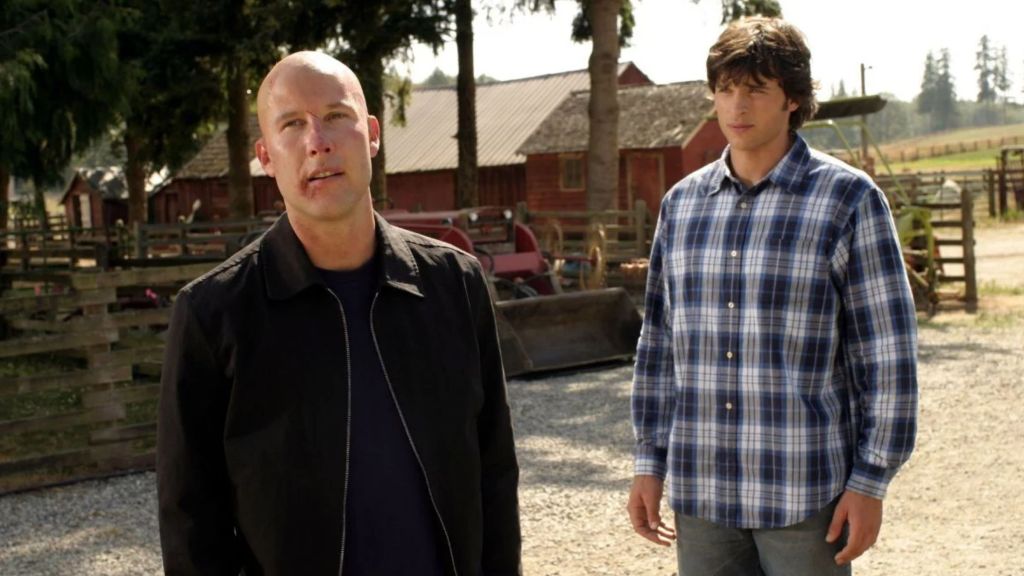
If you’re a millennial, chances are you grew up with Smallville and still remember the show very fondly. And a big part of that comes from the fact that it did something that felt genuinely risky at the time: telling a Superman story without Superman. The series follows Clark Kent (Tom Welling) through his teenage years and early adulthood as he struggles to understand his powers, deal with complicated relationships, and make choices that shape who he’s going to become. At its core, it’s less about saving the world and more about growing up. It’s a simple, relatable premise — and one that went against everything audiences were used to. Yet it worked.
Because of that, Smallville also changed how TV approached superhero stories. It proved you could sustain a long-running show focused almost entirely on character development, using superpowers as metaphors for maturity, responsibility, and identity. It was a bold move, but also a modern one, and unlike anything that had come before it. The “extended origin story” model became the norm after it, and nearly every superhero production that followed ended up borrowing something from its blueprint.
4) X-Men: The Animated Series
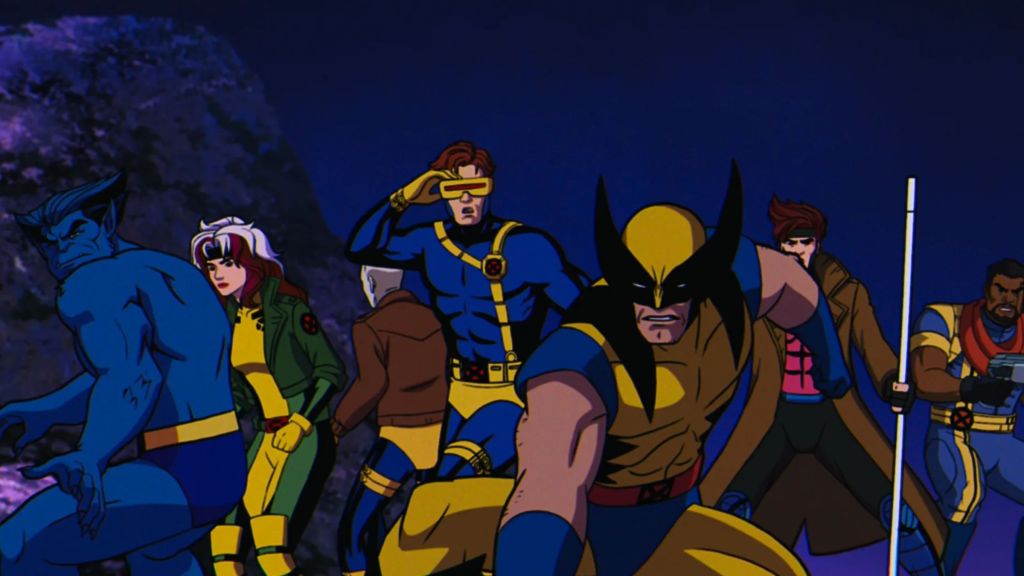
If X-Men ’97 is one of your favorite shows today, that’s because X-Men: The Animated Series paved the way decades ago. At first glance, it looked like just another ’90s action cartoon, but it didn’t take long to realize the ambition went much further than that. The series follows the iconic team of mutants fighting to coexist in a world that fears and hates them, using stories about persecution, segregation, and ideological conflict as its narrative backbone. But the question is: what exactly did it do to change the game?
X-Men: The Animated Series changed the genre by the way it treated its audience. Instead of relying on disposable, forgettable episodes, it leaned into ongoing story arcs and clear social themes, teaching an entire generation to take superhero stories seriously. Considering the time it was released, the genre itself hadn’t fully explored how far it could go without falling into formula. So this show proved there was room to stand out — and it was one of the pioneers in doing so. More importantly, it helped normalize the idea that superhero stories can, and should, engage with the real world, even in animated form.
3) Batman: The Animated Series
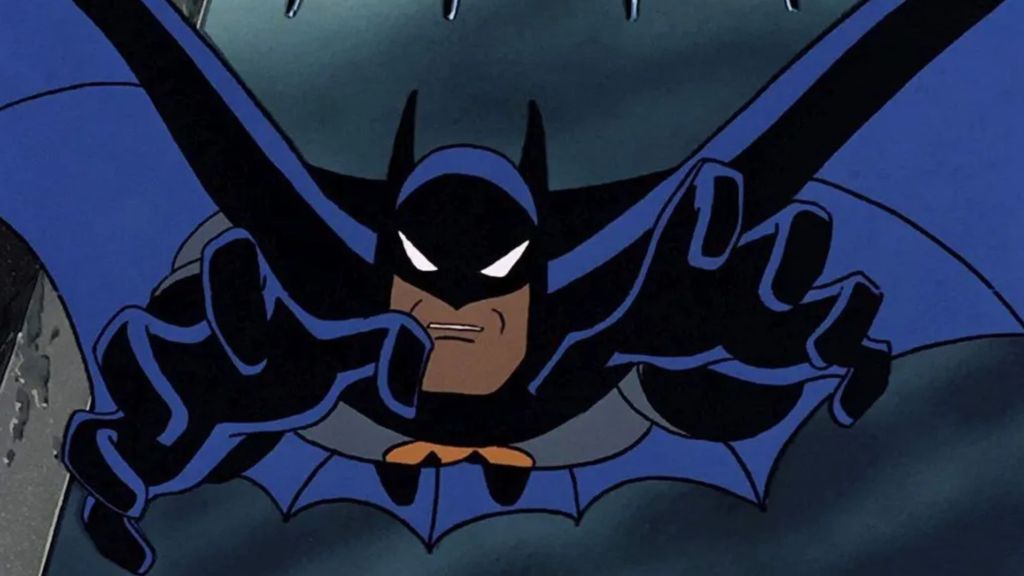
Around the same time X-Men: The Animated Series was redefining Marvel on TV, DC had its own counterpoint with Batman: The Animated Series. The show follows Batman in his classic fight against crime in Gotham, but filters everything through a noir lens — heavier on psychology, mood, and atmosphere than action. Also, the visual approach felt almost excessive for an animated series: deep shadows, art deco-inspired cityscapes, and an orchestral score. On paper, it sounded strange. But in practice, it worked incredibly well. Honestly, it was more mature and thoughtfully crafted than a lot of so-called “adult TV” from that era.
The impact was immediate, but more importantly, long-lasting. Batman: The Animated Series didn’t just raise the bar — it reset it. The show proved animation could be a legitimate medium for complex, emotionally dense, and visually distinctive storytelling. Villains were given real depth instead of being treated as one-note caricatures, and Batman himself was cemented as a character driven by trauma and obsession, not just a cool vigilante in a cape. If modern versions of the character feel psychologically defined and consistent, a lot of that traces back to this series. It’s still considered one of the definitive Batman adaptations across any medium.
2) Heroes
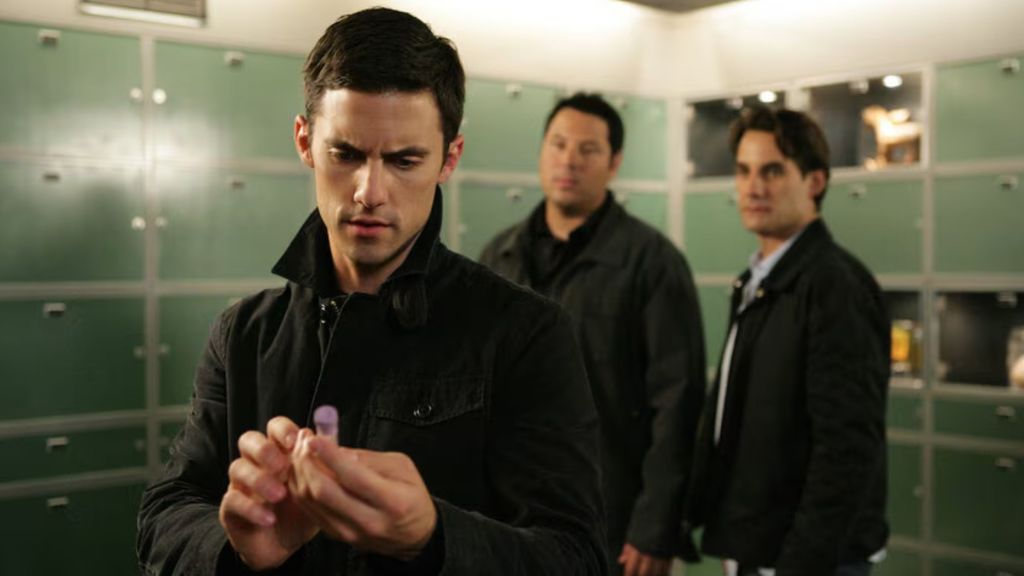
Heroes isn’t a great show overall. But early on, it absolutely was, and in a way that had everyone talking. The series arrived with a simple but addictive hook: ordinary people discovering they have powers and being forced to deal with the consequences. It built a large, globe-spanning ensemble and slowly connected each storyline into a bigger narrative driven by mystery and cliffhangers. Today, that kind of structure feels familiar, even predictable, right? But in the mid-2000s, treating superpowers as something personal, messy, and deeply human was still a novelty — and that’s why it stood out.
What Heroes did to change the genre came down to timing and ambition. It proved that superpowers could carry a serialized, high-rated drama without relying on established comic book icons. Even with all the problems that came later, the first season sent a clear message to the industry: audiences were ready for superhero stories that were longer, more layered, and emotionally driven. And that realization didn’t disappear when Heroes stumbled — it became the foundation for what superhero TV would try to be afterward.
1) Arrow
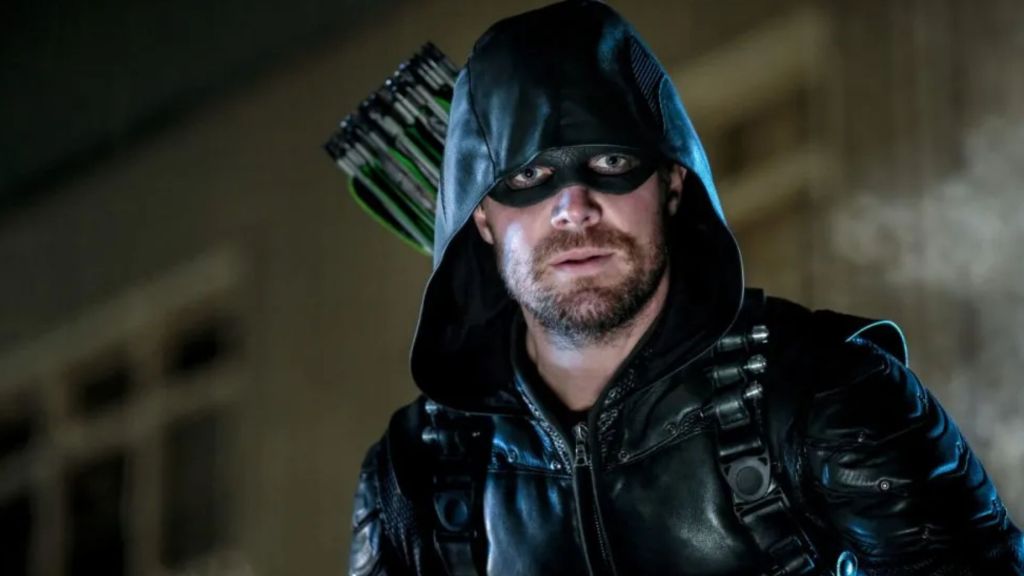
Arrow made a massive impact on TV because, when it arrived, it was clearly trying to push the genre to its limits. The premise follows Oliver Queen (Stephen Amell), a billionaire who returns home after being missing for years and decides to fight crime as a vigilante. But much like Daredevil would do later, this was one of the first superhero shows to actually commit to a more serious tone — grounded urban action, a morally burdened protagonist, and a sense of guilt driving the story. At the time, that alone set it apart from virtually every other superhero adaptation on TV.
But Arrow‘s real impact goes beyond the series itself and lies in what it created around it: the Arrowverse turned television into a genuinely viable space for shared superhero universes, complete with crossovers, long-term continuity, and constant expansion. Today, audiences immediately think of the Marvel Cinematic Universe and its multiverse, but this show was doing interconnected storytelling on a large scale first. More than any other entry on this list, it changed the production logic of the genre — how these stories are built, connected, and sustained (both on TV and, indirectly, in cinema). Its legacy is hard to overstate.
Are you into any of these shows? Leave a comment below and join the conversation now in the ComicBook Forum!
Most Viewed
-

Courtesy of Crunchyroll -

Courtesy of Bit Reactor