To be honest, being a fantasy fan isn’t just about liking the genre, but about keeping up with what’s actually driving the conversation around it. It’s knowing which shows reset the standard, which ones split fandoms down the middle, and which became the go-to reference whenever someone brings up magic, prophecy, or worlds beyond our own. For years, TV treated fantasy like a niche category, until a few key series proved that dragons, monster hunters, and full-scale mystical wars could lead ratings and dominate pop culture. So if you truly follow fantasy on a regular basis, these shows are probably already very familiar to you — whether by choice or by pure cultural pressure.
Videos by ComicBook.com
That said, this list isn’t about the greatest fantasy TV shows of all time. It’s about the ones every fan of the genre has inevitably crossed paths with because they became essential viewing and, practically speaking, mandatory stops along the way. If that hasn’t happened yet, it might be time to catch up. Here are 7 fantasy TV shows every true fan has definitely watched.
7) Stranger Things

Stranger Things may not be the most fantasy-heavy show (since it leans hard into sci-fi and horror), but for committed genre fans, it’s still essential purely because of the global phenomenon it became. The story follows a group of kids in Hawkins, Indiana, who get caught up in secret government experiments, a parallel dimension, and a girl with telekinetic powers. There’s no structured magic system and definitely no medieval-style mythology. What it does have, though, is monsters, alternate realities, and a strong supernatural backbone that keeps the stakes consistently high.
If you’ve been an active fantasy fan over the past decade, you’ve at least given it a shot. It might not qualify as high fantasy, but it ruled TV for years to the point where ignoring Stranger Things almost feels like opting out of modern pop culture conversations altogether. When it comes to genre viewing habits, this is one of those shows that almost every fantasy fan has watched (whether they actually liked it or not).
6) Supernatural
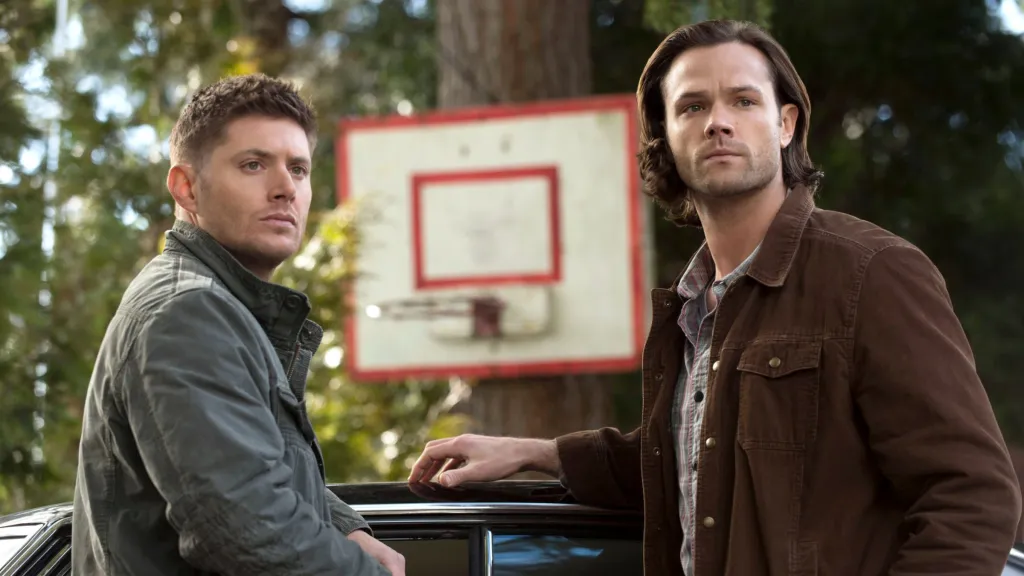
There are thousands of fantasy TV shows out there: some that land, and plenty that don’t. But when a series runs for 15 seasons, that alone proves it did something right and, more importantly, that every genre fan at least knows about it. Supernatural follows brothers Sam (Jared Padalecki) and Dean Winchester (Jensen Ackles) as they travel across the United States hunting demons, ghosts, angels, and basically every creature pulled from folklore. And what starts as a classic “monster of the week” setup, naturally evolves into sprawling conflicts involving Heaven, Hell, and eventually even God Himself.
Yes, the quality fluctuates — sometimes dramatically. But for anyone who grew up watching fantasy in the 2000s and 2010s, Supernatural was practically a rite of passage. The show kept expanding its own mythology to almost operatic proportions and built one of the most loyal fandoms on TV. A true fantasy fan might not love every single season, but chances are they’ve spent a serious amount of time with the Winchesters.

5) The Witcher
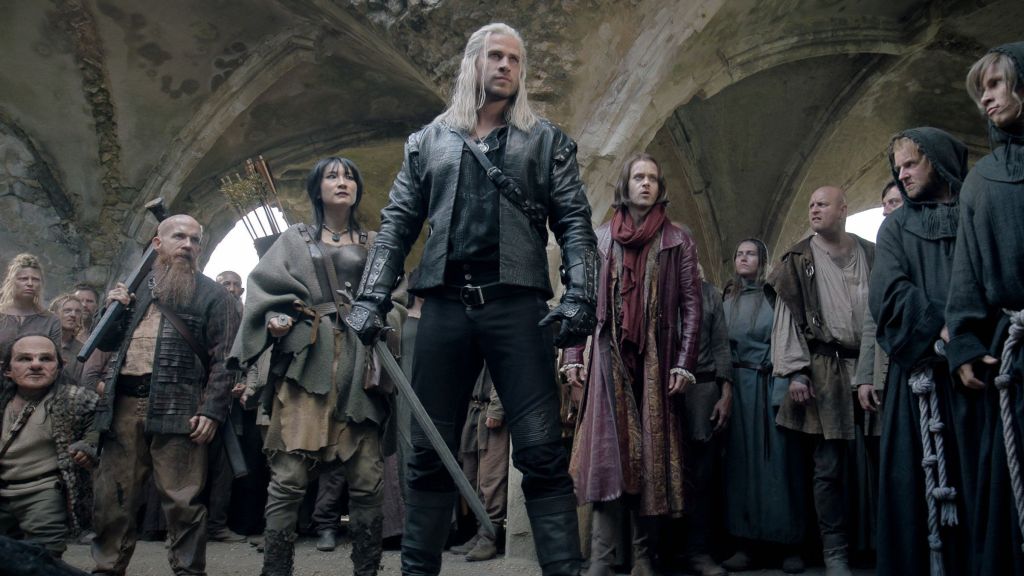
Now we’re firmly in classic sword-and-sorcery territory, the kind that grabs attention from the very first season. The Witcher follows Geralt of Rivia (Henry Cavill/Liam Hemsworth), a genetically enhanced monster hunter trying to survive on a politically unstable continent while his fate becomes intertwined with Yennefer (Anya Chalotra), a powerful sorceress, and Ciri (Freya Allan), a young girl tied to an ancient prophecy. The series delivers creatures, structured magic, warring kingdoms, and heavy moral gray areas — all the core ingredients of modern epic fantasy.
Over time, The Witcher became somewhat controversial, especially among fans of the original books that inspired the show. But controversy doesn’t equal irrelevance — if anything, it fueled conversation. And fantasy fans love debating adaptations. If you genuinely follow the genre, you probably watched it at least to see what the buzz was about, compare it to the source material, and form your own take. It remains one of the biggest recent high fantasy bets on TV.
4) Arcane
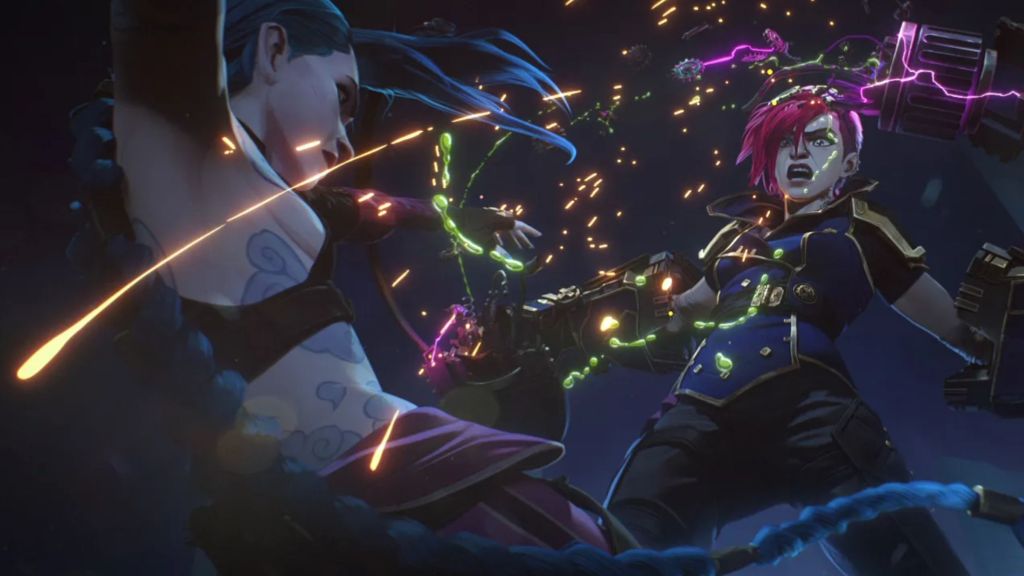
Not everyone is into animation, for sure. But when it comes to Arcane, skipping it means missing one of the most well-constructed fantasy shows lately. The plot is set in the rival cities of Piltover and Zaun, where magic-powered technology transforms power structures and deepens social inequality. And at the center are sisters Vi and Jinx, caught on opposite sides of a political and emotional divide. The visuals are striking and immediately grab attention, but once you actually watch it, what stands out is how tight and consistent the storytelling is (which also helps explain why it’s already won multiple Emmys).
But what actually makes Arcane work? Discipline. The world has rules, actions have consequences, and the conflict goes beyond big set pieces. The character arcs are carefully built, and the narrative doesn’t rely on spectacle alone to carry it. For fantasy fans who care about worldbuilding and meaningful development, ignoring this series just doesn’t add up. It raised the bar for what animated fantasy can achieve, and that’s not something the genre gets to overlook.
3) Buffy the Vampire Slayer
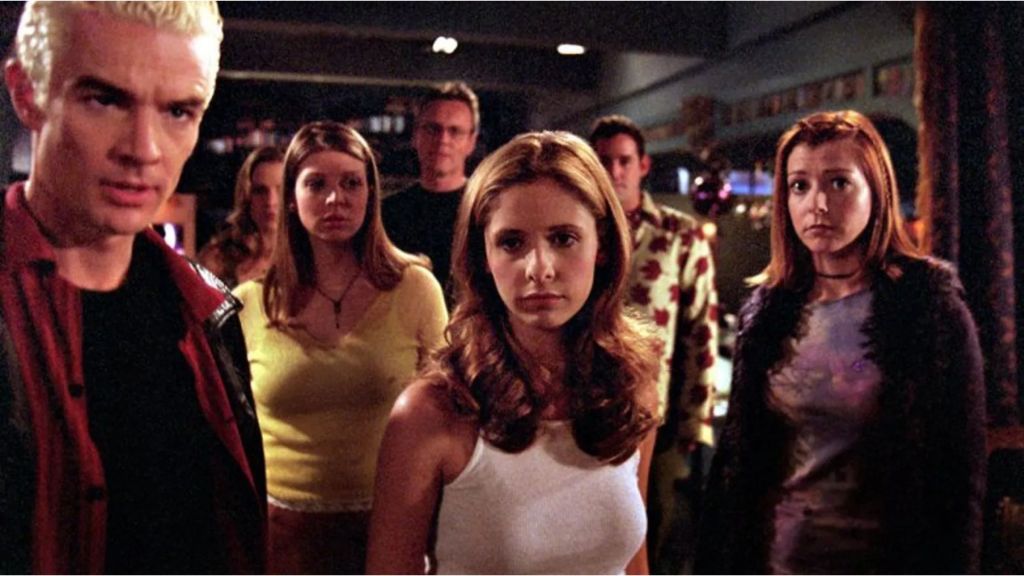
Long before fantasy even thought about dominating the streaming era, Buffy the Vampire Slayer was already showing how it should be done. It remains one of the most iconic series of all time and is widely considered a classic (so much so that a reboot has been in development). The show introduces Buffy Summers (Sarah Michelle Gellar), a young woman chosen to fight vampires and demonic forces as she also tries to survive high school and early adulthood. At first, the premise sounds simple, but as the seasons progress, the mythology expands, the villains become more layered, and the emotional arcs grow increasingly complex.
If the goal is to understand where modern TV fantasy (especially urban fantasy) really took shape, Buffy the Vampire Slayer is essential viewing. The show helped cement the archetype of the strong female lead that’s now standard in genre storytelling and influenced an entire wave of supernatural productions that followed. This isn’t just nostalgia talking — it’s foundational. And fans who genuinely take the genre seriously know exactly why it still matters.
2) The Wheel of Time
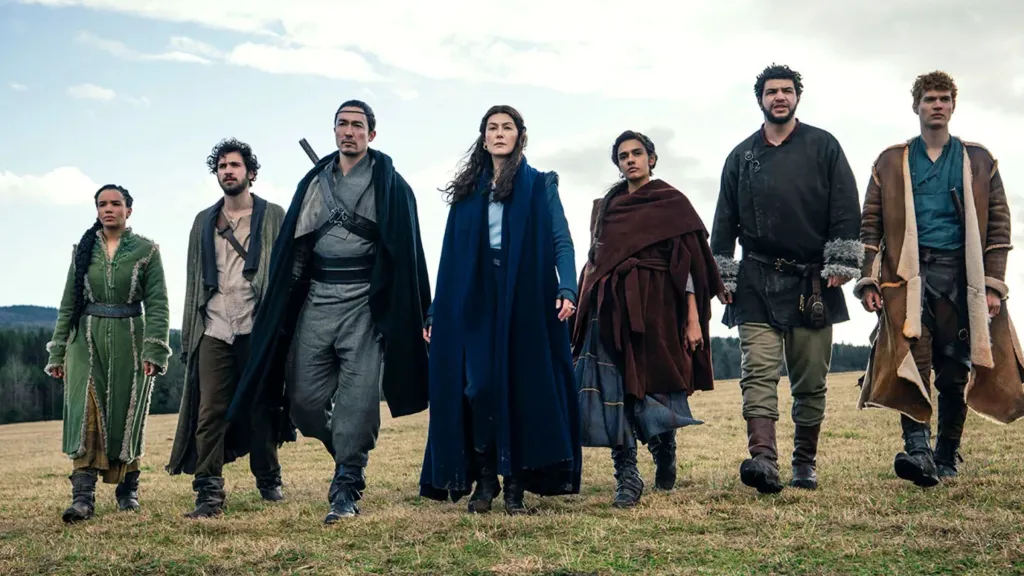
Pure high fantasy, no simplifications, and true fantasy fans tend to gravitate toward ambitious, large-scale storytelling like this. The Wheel of Time follows Moiraine (Rosamund Pike), a member of the all-female magical order known as the Aes Sedai, as she searches for the Dragon Reborn — a prophesied figure destined to either save or destroy the world. From there, the series dives headfirst into political tension, a clearly structured magic system, distinct cultures, and continent-spanning conflict. This is epic fantasy in the most traditional sense, and that’s more than enough to put it on any fan’s radar.
It’s also worth noting that the show is based on a massive book series, which means the reaction was never going to be unanimous (but that’s almost inevitable when adapting a beloved literary saga). Still, for viewers who follow the genre beyond whatever is trending in the mainstream, this is undeniably a project that demanded attention (even if it was canceled earlier than many expected). You can debate creative choices all you want, but watching The Wheel of Time feels like part of engaging with fantasy in its most classic form.
1) Game of Thrones
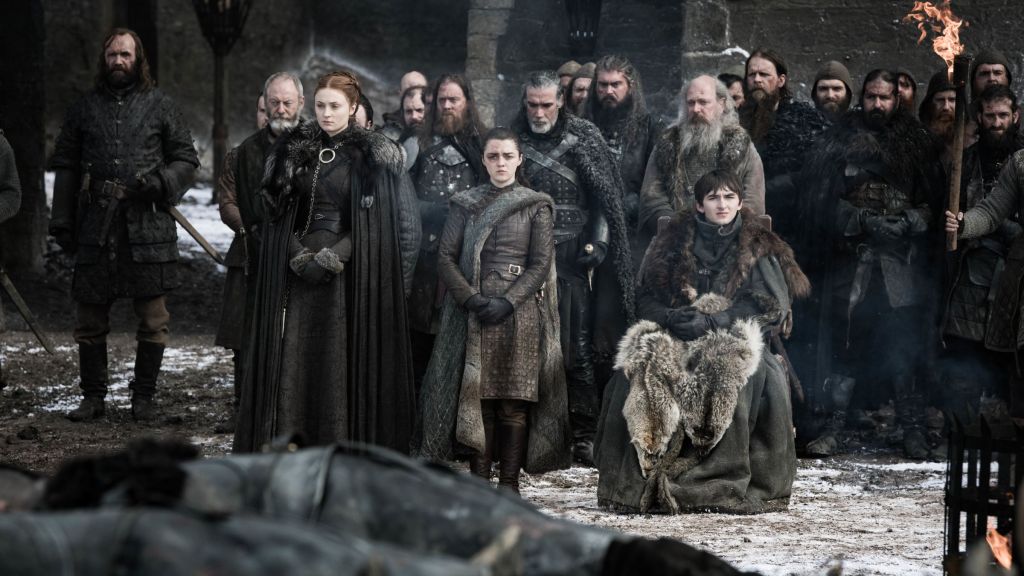
The peak of fantasy TV is Game of Thrones, and everyone knows it. If there’s one show that completely redefined what the genre could look like, it’s this one. The story centers on noble families fighting for control of Westeros while a supernatural threat rises in the North. Politics drives much of the narrative, but as the seasons unfold, wars erupt, dragons return, ancient magic resurfaces, and major characters die without warning. The scale, the layered worldbuilding, and the long-form character development turned it into a decade-defining TV event.
Yes, the ending remains heavily debated because of how controversial it was. But taken as a whole, the show’s impact changed the industry: budgets skyrocketed, studios aggressively pursued literary adaptations, and fantasy stopped being treated like niche programming and started being marketed as prestige TV. If you consider yourself a fan of the genre and somehow skipped Game of Thrones, that’s almost shocking. It’s that essential.
Which one of these shows is your favorite? Leave a comment below and join the conversation now in the ComicBook Forum!
Most Viewed
-
Image courtesy of MAPPA -
Image courtesy of Daybreak Game Company