Over the years, TV has always known how to surprise audiences with strong character arcs and compelling storytelling, but every now and then, a performance comes along that changes the game. And this isn’t just about acting well, but about carrying an entire show on your back, turning simple dialogue into amazing moments, and keeping viewers watching even when the writing isn’t exactly at its best. Performances like these end up defining a show’s identity, and in some cases even pushing TV into territory once reserved for cinema. In today’s pop culture, there’s no shortage of iconic characters, but most of them became what they are especially because of the actors behind them.
Videos by ComicBook.com
With that in mind, here’s a list of the 8 most sensational TV performances in recent years — performances that weren’t just good or critically praised, but genuinely made a difference and left a lasting mark on history. Some series simply wouldn’t have the same appeal today without them.
8) Sam Reid (Interview with the Vampire)
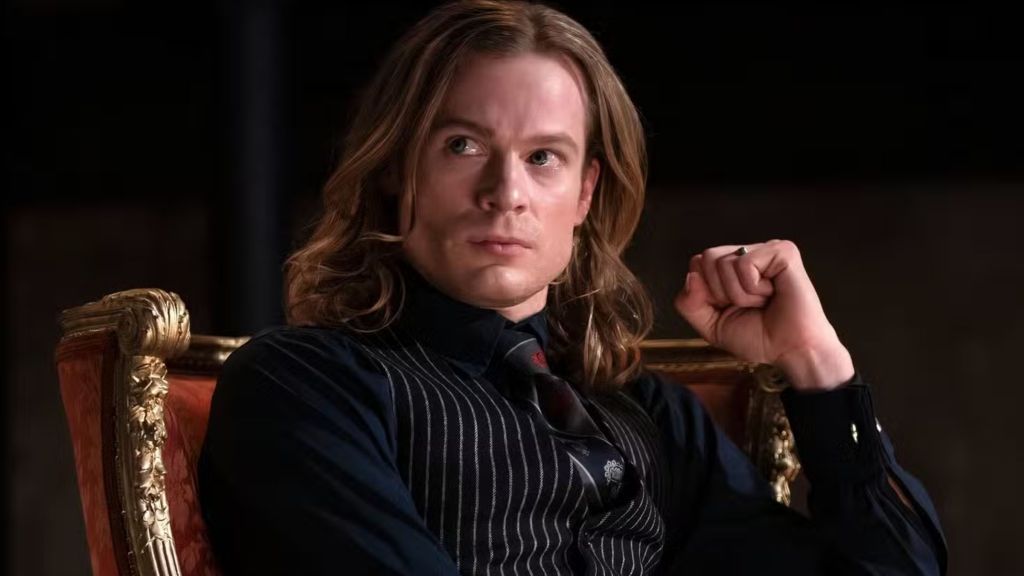
If you haven’t watched Interview with the Vampire yet, you’re seriously missing out. Sam Reid is the main reason the series works in this format and doesn’t feel like just another adaptation of Anne Rice’s books. Fans often point out how uncannily he manages to embody Lestat in a way that feels almost visceral. And while audiences have already seen Tom Cruise’s take on the character in the 1994 film, Reid’s version stands apart: exaggerated, provocative, and self-centered in exactly the right measure, never tipping into something artificial or cartoonish.
What stands out is how clearly Reid understands that Lestat needs to unsettle the audience just as much as he needs to seduce them — and he leans into that fully. He enters every scene knowing he has to command the space, while also making it obvious just how emotionally unstable the vampire really is. Because of that, Interview with the Vampire develops a distinct personality on TV. Even when the story slows down or gets bogged down in exposition, Lestat keeps things compelling. Without this performance, the show would probably be just solid; with it, the series finds its identity.
7) Jamie Campbell Bower (Stranger Things)
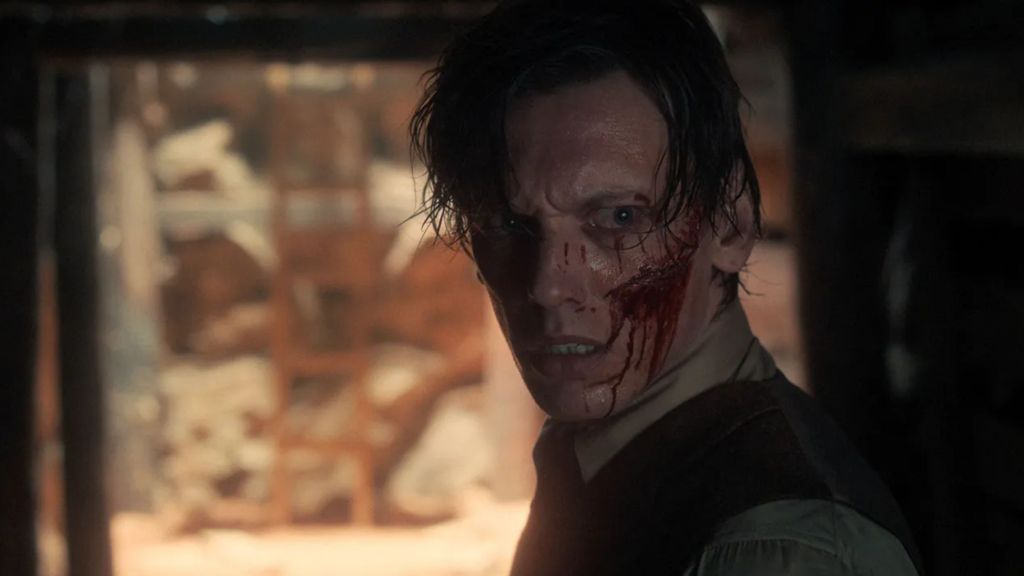
Stranger Things became one of the biggest global hits lately, and while the show featured plenty of strong performances, one of them completely stole the spotlight (especially in its final season). Jamie Campbell Bower joined the series with a clear mission: create a villain who felt bigger and more threatening than anything the production had introduced before. Easy? Not at all. But instead of going bigger or louder, Bower did the opposite. His Vecna is restrained, cold, and uncomfortably human — and that’s exactly what makes his scenes so unsettling.
And here’s the most interesting part: this performance actually changes the tone of the entire show. Vecna brings emotional weight, trauma, and a real sense of danger that Stranger Things needed to justify its long run. This role could have easily been played in a more generic way, but Bower adds layers that matter. There’s even a moment in the series finale where the audience can, in some way, sympathize with his pain. Through expression alone and a powerful gaze, he communicates everything you need to understand about the villain, and that lands hard. In short, Bower helped the show grow.

6) Evan Peters (American Horror Story)

Evan Peters has been through so much when it comes to American Horror Story that, to this day, fans celebrate whenever he’s cast in a relatively “normal” role. The anthology series introduced him to a wider audience, and even though he wasn’t part of every season, most of his roles pushed him toward extremes (often villains, killers, or deeply broken characters). Tate in Murder House, for example, became one of the show’s defining icons because of the mix of violence, trauma, and vulnerability. In Hotel, he played James March, a much darker figure with a twisted sense of humor, while Cult gave audiences Kai, a manipulative leader and impulsive murderer who remains one of the most disturbing characters.
But what separates Peters from most actors is his level of commitment. He doesn’t just play his characters — he completely absorbs them, to the point where he later admitted he needed to step away to protect his own mental health. That alone says a lot about both his range and the personal cost of his performances. Peters never uses the heightened style of American Horror Story as a crutch; instead, he grounds the absurdity in real, recognizable emotions. That’s what makes the difference, and it’s why his performances remain some of the most memorable and talked-about.
5) Owen Cooper (Adolescence)
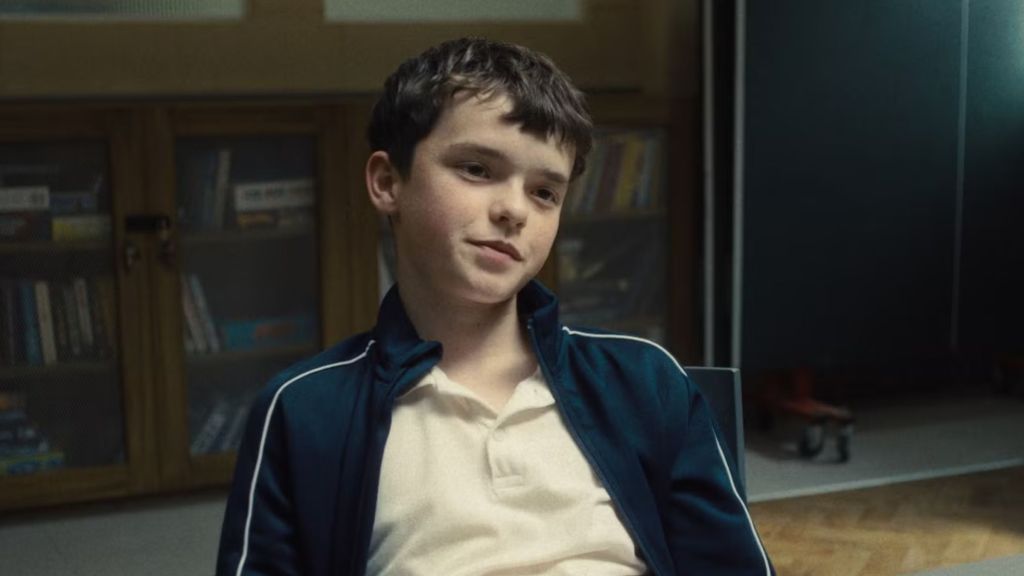
Here we have the youngest male actor to ever win an Emmy, and that fact speaks for itself. Owen Cooper carries Adolescence on his shoulders in an impressive way as Jamie Miller, especially considering how demanding the series is. The entire show relies on long takes and intense emotional exposure, but the truth is that none of that would really work if Cooper, as the central figure, ever felt rehearsed or forced — and he never does. Watching him on screen is impactful because it feels like instinct, not performance. Everything comes across as natural, but also being uncomfortable and completely honest.
In short, Cooper delivers much more than a strong young actor performance because he gives the show legitimacy. He turns Adolescence into something that feels lived-in, and without such a solid central performance, the project could very easily have ended up as just a stylistic exercise or a show without much staying power. The production broke viewership records and gained unexpected global attention, and that wasn’t really because of its premise, which has been explored countless times before. The show worked the way it did because of Cooper — that’s the truth.
4) Peter Dinklage (Game of Thrones)

Game of Thrones made history on TV with its massive roster of characters, but when you look at them all, one stands out clearly: Tyrion Lannister. He’s the show’s most consistently interesting character, and that’s thanks to Peter Dinklage. While other arcs swung between highs and sharp declines, Tyrion’s almost always worked because of the actor’s intelligence, sharp comedic timing, and precise emotional reading of every scene. He knows exactly how to turn sarcasm into a defense mechanism and deliver cutting lines loaded with frustration, self-protection, and pain. Tyrion could have been reduced to a “clever comic relief” type, but that’s never what he becomes.
What actually happens is that Dinklage makes Tyrion accessible and consistently relevant to the audience: he works just as well in political maneuvering, verbal confrontations, and quieter moments. And if this were purely the result of strong writing, the outcome wouldn’t be the same, because the series didn’t always know what to do with him (at times, his strategic intelligence was clearly reduced to plot convenience, and his role became repetitive). It’s the performance that holds everything together. Ultimately, Dinklage played a major role in defining what Game of Thrones did best and what lasted longest: complex characters who remained compelling even when the writing wasn’t pulling its weight.
3) Viola Davis (How to Get Away with Murder)

Everyone knows Viola Davis is a force in film, but she also made an undeniable impact on TV with How to Get Away with Murder. Annalise Keating is never an easy character to deal with (and certainly not a likable one), but that’s where the power of the performance lies. Davis plays her with overwhelming intensity, contradiction, and genuine vulnerability, never attempting to soften her flaws. The protagonist is brilliant, manipulative, exhausted, and deeply wounded all at once, which is a combination that’s incredibly difficult to balance. Yet the actress allows all of these layers to coexist seamlessly, without any visible effort. It’s another case of total, fearless commitment.
How to Get Away with Murder depends on Annalise to work in every single episode, because she is the foundation of the entire series. That’s an enormous responsibility, and Davis proves she was born to carry it. Watching her grasp every nuance of the character feels like a masterclass in acting. The writing often leans heavily into exaggerated twists and narrative excess, but it’s the actress who keeps the emotional core intact, preventing the show from collapsing under its own weight. If people still know the series or have even heard of it at all, it’s not because of the production itself, but because of her performance.
2) Bryan Cranston (Breaking Bad)
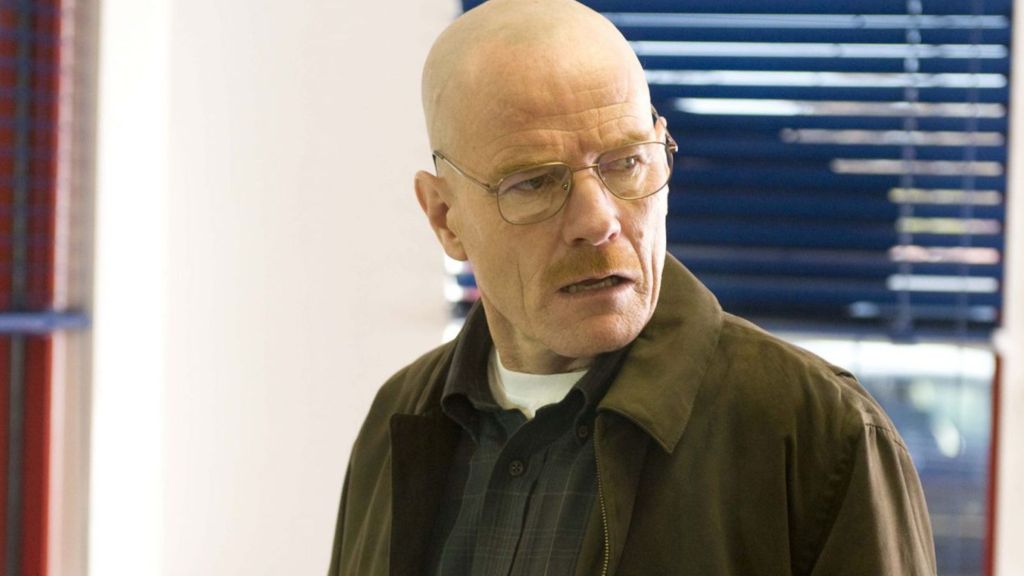
If you’ve never seen at least one episode of Breaking Bad, you’re definitely an exception. If you’re a TV fan, you definitely know Walter White. And once again, much like in Viola Davis’s case, this is a character who stood the test of time because of the actor behind him. Bryan Cranston builds the chemistry teacher slowly and patiently, and when the character finally becomes unrecognizable, the audience is left stunned because they’ve witnessed every step of that transformation. Nothing ever feels unearned, because Cranston clearly understands that Walter’s true horror lies in how normalized his choices become — and he delivers that exact message to the viewer with surgical precision.
Of course, Breaking Bad also owes much of its credibility to its exceptional writing. But here’s the thing: no script alone is enough to elevate a series and a character to this level. When it comes to the concept of the TV antihero, this performance might be the definitive reference (or at least very close to it). Walter White is not meant to be admired, and Cranston never tries to make him likable when it doesn’t make sense. It’s an unsettling performance, consistent from start to finish, and absolutely essential to why the show is still remembered as one of the greatest of all time.
1) James Gandolfini (The Sopranos)

Over time, plenty of performances have left a mark. However, there are a few that are so far above the standard that it’s very hard to define why they’re that great. The Sopranos is one of the most remarkable productions ever made, and a huge part of that legacy comes from James Gandolfini’s iconic turn as its lead, Tony Soprano. And why is that? Because the actor pulled off something that once seemed impossible: turning a mob boss into one of the most deeply human characters on TV. Tony is violent, selfish, and emotionally immature, yet Gandolfini finds truth in every single contradiction, making him just as repulsive as he is fascinating.
What makes this performance transformative is Gandolfini’s absolute control of nuance: he allows Tony to shift between menace and vulnerability within the same scene, often without saying a single word. That ability to pull the audience closer without ever asking for sympathy is what defined The Sopranos — and, more importantly, redefined what TV itself could be. That morally ambiguous character archetype everyone loves today? Gandolfini paved the way for it. He proved people were ready for protagonists who were messy, flawed, and uncomfortable. Everything that came after, in one way or another, traces back to Tony.
What do you think? Leave a comment below and join the conversation now in the ComicBook Forum!
Most Viewed
-

Image Courtesy of MAPPA -

Image courtesy of Marvel Studios